
Last updated November 3, 2026
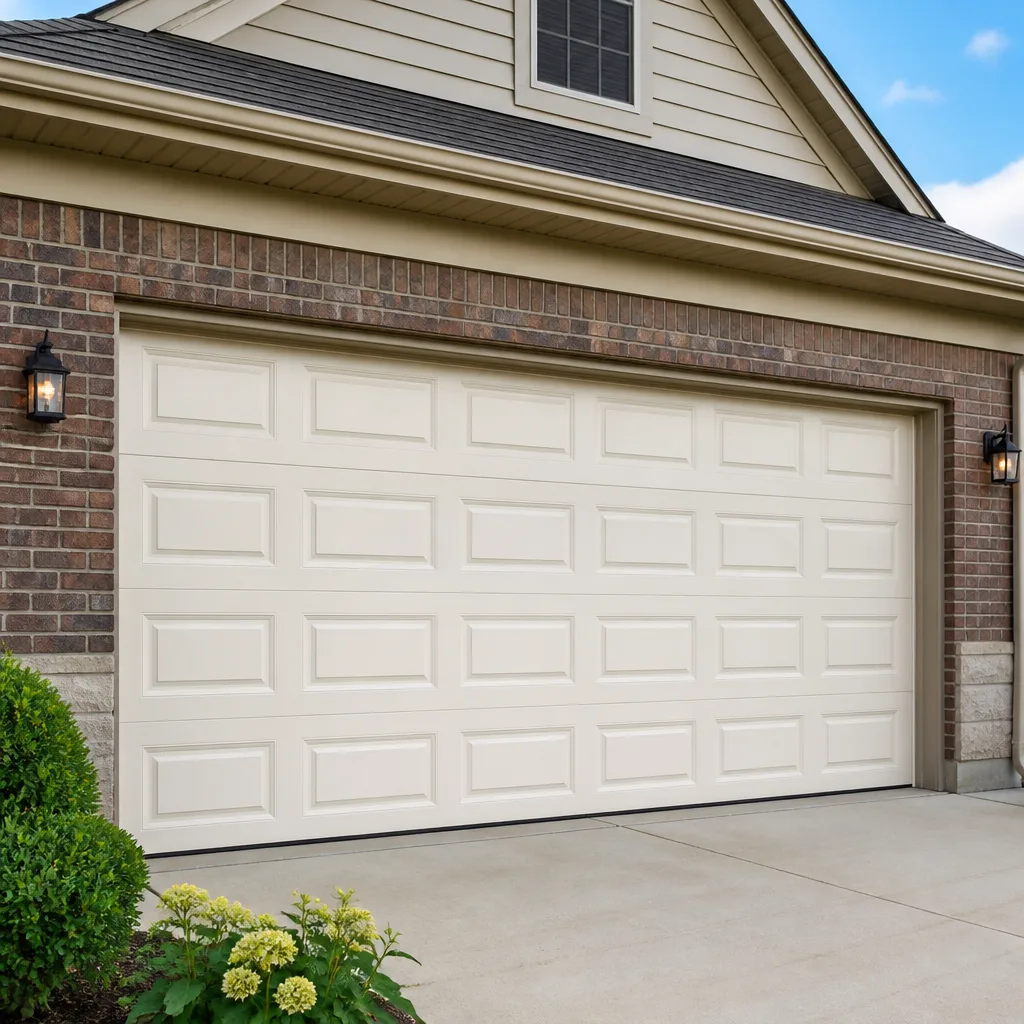 Raised-panel steel
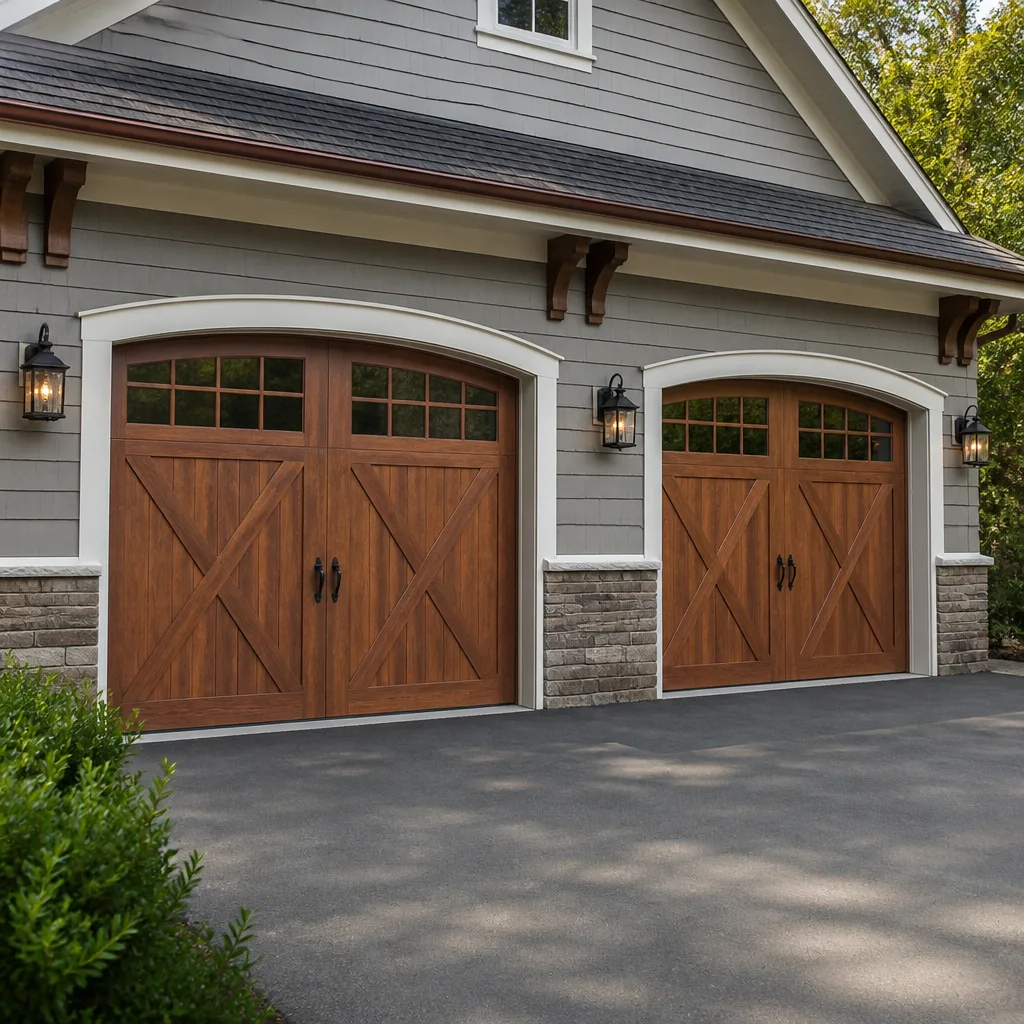 Carriage house
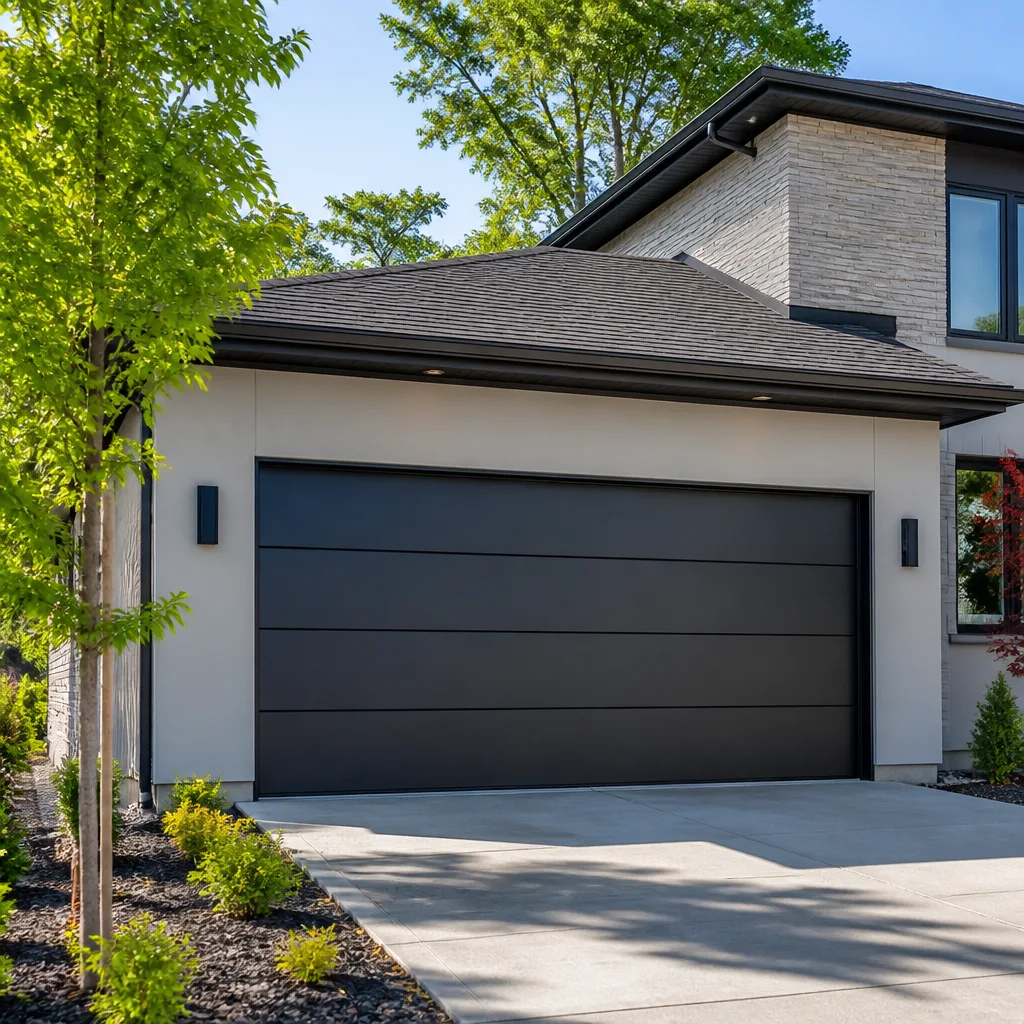 Modern flush
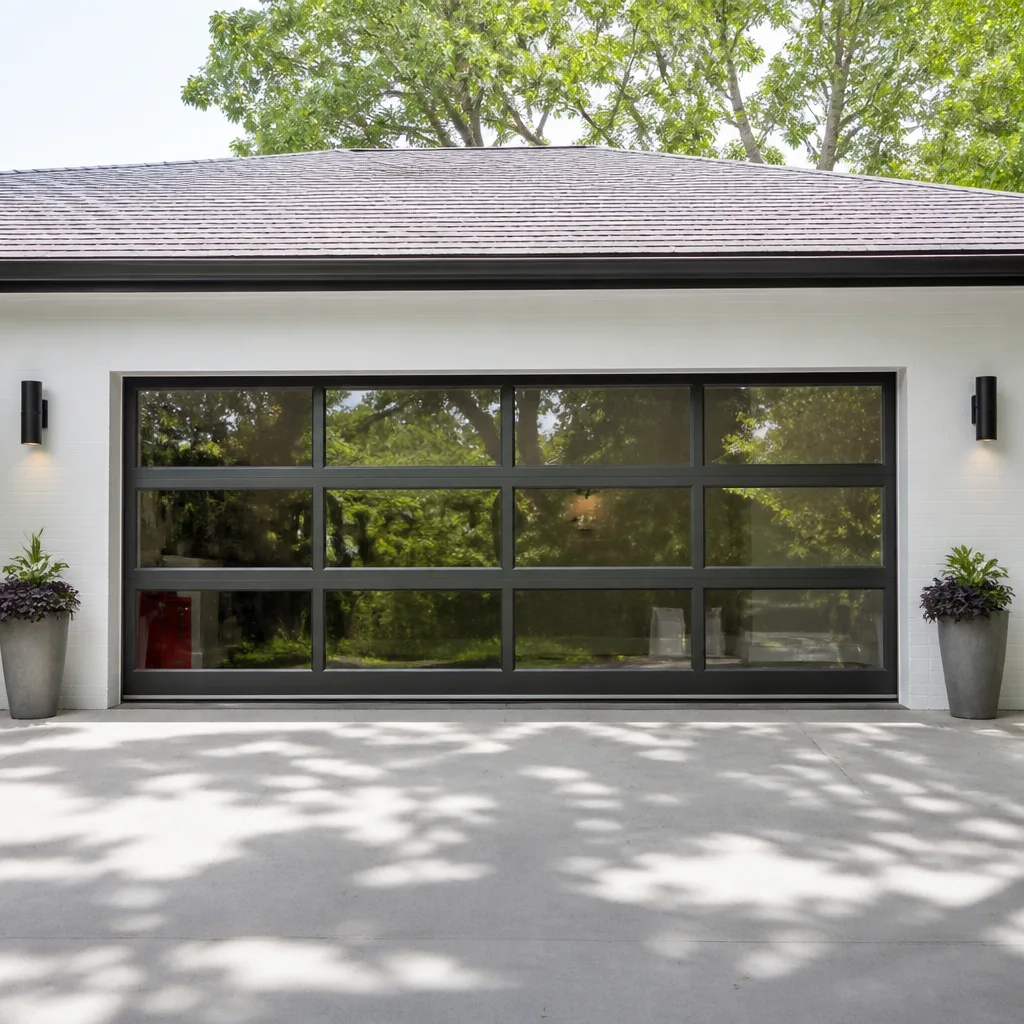 Full-view glass
 LiftMaster openers
 Chamberlain openers
Full 25-point door and opener safety check with every visit - springs, cables, rollers, tracks, and your LiftMaster or Chamberlain opener included
You get a price before we start. It does not change when the truck arrives.
Get your free estimateSeasonal Garage Door Care for Inglewood: Year-Round Homeowner’s Guide
Inglewood’s June Gloom isn’t just a weather inconvenience. Extended morning humidity pressing against a garage door that heated up the previous afternoon creates the exact condensation cycle that rusts bottom brackets from the inside and rots weather seal bases before you ever see visible damage. Most homeowners discover this in November when the door suddenly sounds like gravel in a blender. What follows is a maintenance framework built around Inglewood’s actual climate pattern, not a calendar written for Minneapolis or Boston. For more context, see our complete guide to garage doors in Inglewood. You’ll learn what fails here, when it fails, and the specific checks that prevent a $400 repair from a $4 part wearing out.
Styles & brands we work with
- Raised-panel steel
- Carriage house
- Modern flush
- Full-view glass
- LiftMaster openers
- Chamberlain openers
Quick Answer
Seasonal garage door care in Inglewood means running a corrosion-focused inspection twice a year: once when the marine layer settles in (May through July) and once when Santa Ana season begins (September through November). The two jobs that matter most are lubricating rollers and hinges with a silicone-based product, and tightening every track bolt and hinge screw on the door. Skip these two tasks and Inglewood’s humidity-dryness cycle will gradually loosen hardware and seize moving parts, usually within 18 to 24 months of installation.
Table of Contents
- Inglewood’s Real Seasons: Why Calendar Advice Fails Here
- The Marine Layer Period: May Through July
- The Dry Season: August Through October
- Santa Ana Wind Prep: What Actually Matters
- Year-Round Opener Care for the SoCal Garage
- The Twice-Yearly Maintenance Walkthrough
- Common Mistakes to Avoid
- When to Call a Professional
- Frequently Asked Questions
- The Bottom Line
Inglewood’s Real Seasons: Why Calendar Advice Fails Here
Walk into any big-box hardware store and you’ll find a garage door maintenance pamphlet that tells you to “lubricate in spring and inspect before winter.” That advice was written for places where winter means snow load, road salt, and temperatures that make metal contract. Inglewood has none of those. What we have is a two-phase cycle that repeats every year with remarkable consistency: a humid period where airborne moisture condenses on cool metal surfaces, followed by a long dry stretch where that moisture evaporates and everything that was slightly loose gets slightly looser.
In our experience working on doors across Inglewood neighborhoods, from La Brea Heights down to Century Boulevard, the pattern is predictable. Doors that get a fifteen minute corrosion check in June and a fifteen minute tension check in September rarely need major repairs. Doors that get ignored tend to fail in specific, diagnosable ways: a torsion spring lets go during a Santa Ana gust, or a bottom seal that looked fine from the outside crumbles when you pull the door down by hand.
Here’s the two-season framework we use when homeowners ask us what really matters in Inglewood:
- Marine layer season (May – July): humidity is high, mornings are damp, and steel components that stay cool through the night collect condensation. This is when surface rust starts on hinges, brackets, and the bottom panel seam.
- Dry season (August – October): humidity drops, temperatures climb, and everything dries out. Lubricants evaporate, rubber seals harden and crack, and the wood or composite frame around the door opening shrinks slightly.
- Santa Ana season (September – November): dry winds gust through the LA Basin. A door that had marginal balance or loose track fasteners will show it fast. This is when emergency release cables get tested for real.
The good news is that the maintenance required for Inglewood’s real seasons is genuinely simple. It takes two short sessions a year, uses two or three products you can buy for under twenty dollars total, and prevents the vast majority of garage door failures we see in the field. The rest of this guide walks through each season, what to check, and how to do it safely. You can also explore more guides & resources on our blog.
The Marine Layer Period: May Through July
June Gloom in Inglewood is not a drizzle. It is a persistent, low-hanging cloud layer that keeps airborne moisture against every exterior surface for four to eight hours each morning. Your garage door is a large, flat, vertical metal panel that cools overnight and then sits in that moisture blanket. When the sun finally burns through around noon, the surface heats quickly. The result is a daily condensation-evaporation cycle that is genuinely rough on metal.
What the Marine Layer Does to Steel Panels
Modern garage doors are galvanized and factory-primed, but they are not impervious. The vulnerable points are not the flat panel faces; those are protected by their paint coating. The problems start at the edges, seams, and hardware penetrations where the factory finish gets cut or drilled during manufacturing and installation. Bottom brackets, hinge leaves, and the bolt holes where track mounts to the wall all collect condensation from morning humidity and hold it longer than flat surfaces do.
This is why we recommend a specific corrosion inspection each June. It takes about ten minutes and requires no special tools:
- Look at the bottom brackets on both sides of the door. These are the L-shaped steel pieces that hold the lift cables. Surface rust here is normal after a few years in Inglewood, but flaking rust or accumulation is a red flag. The bracket is under constant spring tension; if it corrodes through, the cable releases violently.
- Inspect the hinge leaves where sections of the door meet. Each section of a sectional door is connected by two or more hinges. Look for rust staining running down from the hinge pin, which means moisture is penetrating the joint.
- Check the track mounting bolts. The bolts that hold vertical and horizontal track to the wall and ceiling are exposed to garage humidity. Rusty bolt heads are not urgent, but they’ll eventually loosen if corrosion gets into the threads. If you see rust, apply a light coat of silicone lubricant to the bolt head after wiping it down.
- Run a hand along the bottom weather seal. The rubber or vinyl strip along the bottom of the door is the first line of defense against moisture entering the garage itself. In Inglewood, it also sits against concrete that stays damp through June mornings. If the seal feels brittle when you squeeze it, or if you can see daylight under any part of it when the door is closed, it’s time to replace it.
- Test the door manually. Pull the emergency release rope (with the door closed) and lift the door by hand to about waist height. It should stay there on its own. If it drifts down or feels unusually heavy, the springs have lost tension and the door needs professional adjustment before the marine layer advances the wear on your opener motor.
What the Marine Layer Does to Aluminum and Rubber
Aluminum components don’t rust the way steel does, but they are not immune to Inglewood’s humidity cycle. Aluminum oxidizes, forming a dull white or gray patina. In most garage door systems, that’s cosmetic and harmless. However, the hardware that matters is steel: the fasteners, the rollers, and the spring anchor brackets. We’ve seen doors in Inglewood where the aluminum panel looked nearly new while the steel hinge behind it had rusted enough to cause binding.
Rubber and vinyl seals are even more interesting. The marine layer doesn’t rot them the way constant rain would in other climates. But the humidity-dryness cycle forces the seal to absorb moisture, then release it, then absorb it again. After a few hundred of those cycles, many rubber compounds lose their flexibility permanently. The seal doesn’t look wet or moldy. It just becomes rigid, and once it’s rigid, it no longer conforms to the concrete and starts letting in leaves, insects, and moisture. The fix is repacement with a new seal, which is a low-cost job we do regularly in Inglewood whether the door itself is six years old or twenty-six years old.
For a homeowner who wants to extend seal life, one practical step is to wipe the bottom seal dry after particularly damp mornings. It sounds fussy, but thirty seconds with a rag during June and July genuinely doubles or triples the seal’s useful life in this climate. The alternative is a seal that fails from the inside while looking fine from the outside, and you won’t know until water starts puddling under the door after a winter rain.
The Dry Season: August Through October
Once the marine layer retreats and Inglewood settles into its long dry stretch, the failure mode shifts. Heat and low humidity pull moisture out of everything: from the rubber in your rollers, the lubricant in your hinges, the plastic in your opener’s drive gear, and the wood frame around your garage door opening. Components that were quietly corroding during June and July now get dry, brittle, and loose.
Components That Crack and Shrink in Dry Heat
Let’s be specific about what actually fails in an Inglewood dry season and why. Understanding the mechanism makes it easier to spot problems before they become breakdowns.
Weather seals and gaskets. The bottom seal and the side jamb seals lose plasticizers when exposed to sustained heat. Plasticizers are the chemical compounds that keep flexible PVC and rubber soft. Once they migrate out, the material shrinks slightly and hardens. A seal that fit tightly in April may have a visible gap by September. The shrinkage is often concentrated at the corners, where the seal bends 90 degrees and the material is already under stress.
Roller bearings. Most Inglewood garage doors run on steel rollers with ball bearings. The bearings are packed with grease at the factory, and that grease gradually loses its viscosity in sustained heat. Once the grease thins and runs out, the bearing runs dry, and a dry bearing wears quickly. The telltale sign is a scratching or grinding sound when the door moves. Rollers with visible wear should be replaced; this is also a good moment to consider upgrading to nylon rollers if your door still has steel ones, because nylon rollers are quieter and smoother on the track.
Spring tension. Torsion springs are wound steel coils that store mechanical energy. Heat does not technically weaken the steel itself, but Inglewood’s dry season is when a spring that has been slowly losing tension all year finally shows its age. The door feels heavier, the opener lugs, and the balance check fails. Springs also shed microscopic amounts of metal as they cycle, and dry heat accelerates the settling process. Every torsion spring has a finite number of cycles, typically 10,000 for standard springs and up to 20,000 or more for high-cycle springs. A family that opens and closes the door four times a day will put about 1,460 cycles a year on the spring. That math explains why Inglewood homeowners see springs break somewhere between years seven and ten of a basic spring’s life.
Opener drive gear and sprocket. If you have a chain-drive opener from LiftMaster, Chamberlain, or Genie, the drive sprocket at the top of the motor unit is plastic. That’s by design, so the gear strips before the motor burns out. But a plastic gear in sustained August heat becomes more brittle. The failure signature is the motor running while the door doesn’t move, or a grinding sound from the top of the unit. This is exactly the kind of diagnosis we handle as a dedicated opener repair line, rather than as an afterthought to a door service call.
Wood door frames and jambs. Inglewood garages built in the 1950s, 60s, and 70s often have wood jambs and header boards behind the metal track. Dry heat shrinks that wood, and the lag bolts that hold track brackets to the frame lose their grip. The result is a track that flexes slightly when the door passes, which causes premature wear on rollers and can eventually throw the door off track. A simple check is to grab the vertical track near the bottom and yank it side to side. If it moves more than an eighth of an inch, the fasteners need attention.
The Dry Season Maintenance List
The dry season is the right time for lubrication. You want every pivot point and bearing surface to have fresh lubricant before the Santa Anas arrive. Here’s what we tell Inglewood homeowners to do in early August:
- Lubricate all hinges, rollers, and the torsion spring. Use a silicone-based spray or a lithium grease formulated for garage doors. Do not use WD-40 as a lubricant; it’s a solvent and water displacer that will actually strip away existing grease. Spray each hinge pivot, each roller bearing, and the entire length of the spring. Two or three short bursts per point is enough. Over-lubricating just creates a sticky mess that attracts dust.
- Check the weather seal. Close the door and inspect the seal from inside the garage. Look for gaps at the corners, tears, or sections that look flattened. If you can slide a credit card under the seal without resistance, it’s not sealing.
- Tighten every fastener you can see. Use a 7/16-inch socket or wrench on the track bolts, hinge bolts, and bracket bolts. You’ll typically find several that have worked loose since spring. A quarter turn of tightening on a dozen bolts is cheap insurance against a door coming off track in a wind event.
- Test the door balance. This is the most informative single check in your garage. Disconnect the opener via the red emergency release and lift the door manually. It should move smoothly with even resistance and stay at the halfway point. If it slams down or is hard to lift, call a professional before the opener motor takes the damage.
- Test the auto-reverse safety feature. Place a roll of paper towels or a 2-by-4 flat on the floor under the door’s path. Close the door with the opener. It should reverse within two seconds of contacting the object. In Inglewood, where garages double as play rooms and workshops, this safety check matters more than most homeowners realize.
Santa Ana Wind Prep: What Actually Matters
Santa Ana winds are the one genuinely dramatic weather event on Inglewood’s garage door calendar. The dry gusts barrel through the LA Basin from the northeast, and a sectional garage door is essentially a large, flat sail. The wind loads on a two-car garage door during a Santa Ana can easily exceed what most homeowners expect. Add in a door that has loose track fasteners and a spring that is already marginal, and you have a recipe for the door jumping a roller off the track, or in the worst case, a cable coming loose under uneven load.
The good news is that Santa Ana season is also the most predictable maintenance window in Southern California. The winds don’t arrive without warning. Here is the preparation sequence we recommend, in priority order:
1. Check Door Balance
We’ve already covered how to test balance, but it bears repeating here because balance is the single most important factor in wind resistance. A properly balanced door distributes wind pressure through the track, the brackets, and the spring. An unbalanced door concentrates all of that pressure on the tension in the spring system and the opener. Run the manual balance test. If the door doesn’t stay put at half height, do not operate it through the first Santa Ana event. Call a licensed garage door professional to evaluate the spring tension before the wind arrives, not after.
2. Tighten Track Fasteners
Every bolt that holds vertical and horizontal track to the wall, the ceiling, and each other should be snug. In Inglewood, the dry season preceding the Santa Anas has already loosened some of these. The loads during a wind event work the bolts loose further, and a track that flexes under 40 mile per hour gusts transfers all of that energy into the door rollers. Walk the track with a socket wrench and snug up everything. If a lag bolt simply spins without tightening, the wood behind it is stripped or rotted, and that needs a professional repair before the door comes off track.
3. Check the Emergency Release Rope
During a prolonged power outage that sometimes accompanies Santa Ana wind events, the only way to open the door is the emergency release. Pull the red rope and make sure the release mechanism actually disengages the door from the opener carriage. While the door is disconnected, lift it manually. It should not bind and should stay up. That’s the same balance test dressed in a different outfit. Reconnect the opener by running it until the carriage re-engages.
4. Remove or Secure Loose Items Near the Door
Inglewood garages are famously full. Ladders leaning against the wall near the tracks, bicycles propped in the corner, and storage boxes stacked alongside the door opening are all potential projectiles inside the garage, and they can also obstruct the photo-eye sensors that prevent the door from closing on anything in its path. Make sure the area around the track and the sensor lenses is clear before the wind picks up.
5. If You’re Away During a Santa Ana Event
If you’re traveling and a Santa Ana is forecast, take the simplest possible precaution: leave the door closed and disconnect the opener by pulling the emergency release. This takes the opener motor out of the circuit entirely, so if a gust flexes the door and something binds, the motor won’t strain against the resistance and strip its own gear. The door will stay closed because the spring holds it, not because the opener does.
Our repair calls spike during the first Santa Ana of each season in Inglewood, and the pattern is always the same: doors that were marginally balanced, track bolts that were already loose, and homeowners who had noticed the door “acting a little weird” for weeks. The preparation above takes less than an hour and costs nothing. It’s the highest-return home maintenance hour in Southern California.
For those who want a deeper dive into general door health, our Garage Door Repair in Santa Monica team covers similar wind prep for coastal and inland homes throughout LA County.
Year-Round Opener Care for the SoCal Garage
Garage door openers in Inglewood lead a different life than openers in most of the country. Our garages are not just parking spaces; they are workshops, storage lockers, home gyms, and play areas. The mild weather means the garage door gets opened and closed more times per day than in climates where people hibernate through winter. More cycles mean more wear on the opener’s moving parts, and the heat accelerates the drying of internal lubricants. A typical Inglewood opener might log 1,500 to 2,000 cycles a year. After five years, that’s 7,500 to 10,000 cycles on a mechanism that many manufacturers spec for about that lifespan.
One observation we share with Inglewood homeowners: most people do not know what brand of opener they own. They know where the button is. That’s completely normal. But when an opener starts acting up, knowing that it’s a LiftMaster versus a Chamberlain versus a Genie actually matters, because the failure modes and repair paths are different. At Whitestone Garage Door Service, we work on all of them, and part of the value of calling a specialist is that we identify not just what’s broken but whether the failure is component-level, system-level, or brand-specific. If you’re still deciding on a system, our buyer’s guide for choosing the right garage door brand in Inglewood can help. That distinction changes whether you repair or replace, and it’s a faster diagnosis than a generalist can offer.
Opener Maintenance in Inglewood: What to Do and When
Monthly: Listen to the opener while the door moves. A chain-drive opener will always make some noise, but changes in pitch, new grinding, or a whine that wasn’t there before are early warnings. Spray the drive chain or screw with the lubricant specified for that drive type. For a belt-drive opener, there’s no lubrication required, but the belt tension should be checked occasionally.
Quarterly: Clean the photo-eye lenses with a soft dry cloth. Inglewood’s dry dust and the occasional morning condensation create a film on the sensor lenses that causes intermittent “door won’t close” behavior. The sensors are the small units on either side of the door opening, about six inches off the floor.
Twice a year: Run the auto-reverse test we described in the dry-season section, and test the force setting. The force setting controls how hard the opener pushes before reversing. You want the door to reverse with modest resistance, not to push through it. On most openers, the force adjustment is on the rear of the motor unit, usually in the form of a small dial or two screw-type potentiometers. Adjust it according to the manufacturer’s instructions. This is one adjustment we often fine-tune during a Garage Door Opener Repair in Santa Monica visit, because a force setting that’s slightly off can strip gears without the homeowner ever realizing the opener was the problem.
Annually: Unplug the opener and inspect the drive gear. On a LiftMaster or Chamberlain chain-drive unit, the drive gear is a white plastic spur gear visible when you remove the metal cover. If the teeth look worn, thin, or show white plastic dust on the chassis, that gear is near the end of its life. Replacing it preemptively costs a fraction of replacing the entire opener, and it can be done in one service visit.
Battery backup and smart features: Many Inglewood homes now have openers with battery backup, either from the factory or added as an accessory. The battery has a lifespan of about three to five years, and in a climate with dry heat, that battery degrades a little faster. If your opener has a battery backup and you haven’t thought about it since installation, check the indicator light. A dead backup battery means no opener during a power outage, which in Santa Ana season is exactly when you might need it.
We mention Genie openers specifically because they’re common in Inglewood and have some brand-specific quirks with their wall consoles and safety sensors. A symptom that looks like a bad motor on a Genie is sometimes just a failed wall console. The point is that when your opener does something odd, calling someone who already knows the brand saves diagnostic time and avoids replacing parts that were never the problem.
The Twice-Yearly Maintenance Walkthrough
Everything in this guide boils down to two sessions a year, timed to Inglewood’s actual weather pattern. Here is the complete walkthrough, in the order we recommend doing it. The whole thing takes about 45 minutes if you’re being deliberate, or 30 if you’ve done it before.
June Walkthrough: Marine Layer Corrosion Check
- Close the door and inspect from the inside with a flashlight. Look at the bottom brackets, hinge leaves, and spring anchor brackets for rust. Surface rust is normal; flaking or deep pitting is not.
- Feel the bottom seal. Run your hand along the rubber strip at the bottom of the door from inside. It should be pliable. If it’s stiff or cracked, plan to replace it before winter rains arrive.
- Listen to the door. Open and close the door once with the opener. Any new grinding, rubbing, or skipping sound during a June cycle is likely a dry roller or a hinge that needs lubrication.
- Check condensation signs. Look for water stains on the interior side of the door panels, especially on the bottom panel. In Inglewood, persistent morning condensation can cause interior paint to bubble on older doors.
- Run the manual balance test. Every June, without exception. It takes one minute and tells you more than any other single check.
September Walkthrough: Dry Season and Santa Ana Prep
- Lubricate all moving parts. Hinges, rollers, spring, and drive chain or screw. Use silicone or lithium grease. Wipe away excess.
- Snug every fastener. Socket wrench on track bolts, hinge bolts, and bracket bolts. Also check the bolts holding the opener rail to the ceiling.
- Test balance again. The spring has had another season of cycles. If balance has changed since June, note how much and decide whether it’s time for a professional check.
- Inspect the emergency release. Pull the rope, operate the door by hand, and re-engage.
- Test auto-reverse. Paper towel roll method. This is the safety system that protects kids, pets, and your car’s rear bumper.
- Clear the area around the track and sensors. Before Santa Anas push leaves and debris around the garage, make sure the photo-eye lenses are clean and unobstructed.
The timing of these two sessions matters more than the exact checklist. The June check catches corrosion before it compounds. The September check catches dryness and looseness before the wind. If you only do one of them in a given year, do the September one; it addresses the highest number of potential failures at once.
Common Mistakes to Avoid
- Using WD-40 as a garage door lubricant. WD-40 is a solvent and water displacer. It will strip away the grease in your rollers and hinges and leave them running dry within weeks. Use a silicone spray or lithium grease formulated for garage doors.
- Lubricating without cleaning first. Spraying fresh lubricant over accumulated dust and grit just creates an abrasive slurry. Wipe each point with a dry cloth before lubricating.
- Ignoring the manual balance check. Most homeowners never disconnect their opener from the door until something breaks. The one-minute balance test predicts spring failures months before they happen. A door that’s heavy now is a spring replacement later, and the repair is cheaper if caught before the spring lets go entirely.
- Tightening the torsion spring yourself. Torsion springs store enough energy to cause serious injury or death if mishandled. Any work on the spring itself, including “just a small adjustment,” belongs to a trained professional with the correct winding bars and experience.
- Painting over rust without treating it. If you spot surface rust on brackets or hinges and simply spray paint over it, the corrosion continues underneath. Treat the rust with a wire brush and a rust converter, then paint. Or replace the bracket; they’re inexpensive.
- Assuming a noisy door is just “how it is.” A garage door in good condition should be relatively quiet, especially if it has nylon rollers. New grinding, squealing, or popping sounds are always diagnostic information. Ignoring them turns a thirty dollar roller replacement into a four hundred dollar track repair.
- Waiting until the first rain of winter to check the seal. In Inglewood, the bottom seal is the difference between a dry garage and puddles by the door. Once the rains start, replacement waits in line behind a hundred other calls. Check the seal in September, before it’s urgent.
When to Call a Professional
Most of the maintenance in this guide is safely DIY, but there are clear lines. If the torsion spring is broken, or if the door is off its track, or if a cable has come loose from its drum, that’s not a weekend project. The spring alone holds enough tension to cause severe injury, and a door that weighs 150 to 250 pounds moving unpredictably is dangerous. Similarly, any problem that involves the emergency release cable, the spring anchor bracket, or the opener’s electrical connections is best handled by someone who does this daily. For deeper background, read The Complete Garage Door Repair Guide for Inglewood Homeowners.
One more category worth calling about: anything that recurs. If you’ve lubricated the rollers and the door is still grinding, or if the opener keeps reversing for no visible reason, or if the door has come off track twice in a year, there’s an underlying issue that a homeowner is not equipped to diagnose. Whitestone Garage Door Service offers free estimates in Inglewood, and we walk homeowners through exactly what’s wrong and what the options are before any work starts. Call (866) 753-8675.
We also want to be clear about who we are and what we do. Whitestone Garage Door Service home garage doors are all we do. We repair them, we repair their openers, and we install new systems. When you call us, you’re talking to a garage door specialist, not a generalist who also happens to fix doors.
Frequently Asked Questions
Twice a year: once in June for corrosion and once in September for lubrication and wind prep. This schedule aligns with Inglewood’s actual weather cycles: the marine layer months bring humidity and surface rust, while the dry months bring seal shrinkage and hardware loosening. Each maintenance session takes 30 to 45 minutes.
Yes, but indirectly. Springs fail from cycle fatigue, not rust. What Inglewood’s dry heat does is make an already-weakening spring more apparent. The cycle count climbs all year, and by late summer a spring that was marginally holding tension fails. A door that feels heavy in September may have been fine in April. Call (866) 753-8675 for a balance inspection if your door no longer stays at the halfway point when disconnected.
Yes, with the right product. Use a silicone-based spray or lithium grease on hinges, rollers, and springs. Do not use WD-40. Spray each pivot point and bearing, then open and close the door twice to distribute the lubricant. Wipe up excess. Never attempt to lubricate or adjust the torsion spring itself beyond spraying the coils from a distance; spring adjustment is dangerous and not DIY work.
In our experience, it’s torsion spring failure during the dry season, usually between August and November. The heat compounds months of normal cycling, and a spring that has reached the end of its 10,000-cycle lifespan lets go, often without warning. The door becomes extremely heavy or won’t open at all. This is a professional repair and typically requires replacing both springs so the door stays balanced.
Close the door and look for daylight under the bottom edge from inside the garage. If you can slide a credit card under the seal freely, it’s not making contact with the concrete. Also squeeze the seal; it should be soft and pliable. If it’s brittle, cracked, or flattened, replace it before the rain season. In Inglewood, seals often last three to five years depending on sun exposure.
We work on all the major residential brands, including LiftMaster, Chamberlain, Genie, Craftmaster, and Raynor. Whether your opener is a quiet belt-drive Raynor or a chain-drive Genie from the early 2000s, we know the common failure points and stock the replacement parts. For opener repair or a new installation in Inglewood, call (866) 753-8675 for a free estimate.
For readers outside Inglewood, our services extend throughout the Westside and beyond. If you’re in a coastal area, see our Garage Door Installation in Santa Monica page for climate-specific installation guidance.
The Bottom Line
Inglewood’s garage doors live in a two-season climate that demands two short maintenance sessions a year. June catches corrosion from the marine layer; September catches dryness and looseness before the Santa Anas. The checks are simple: balance test, fastener tightening, seal inspection, lubrication, and auto-reverse testing. Do them consistently and a standard garage door system in this climate will deliver its full expected lifespan with minimal drama. Skip them and you’ll meet us anyway, just on a rainy night with a door that won’t open and a car stuck inside. For free estimates on any repair, opener service, or installation in Inglewood, call Whitestone Garage Door Service at (866) 753-8675.
Written by the team at Whitestone Garage Door Service, serving Inglewood since 2018.
See the difference
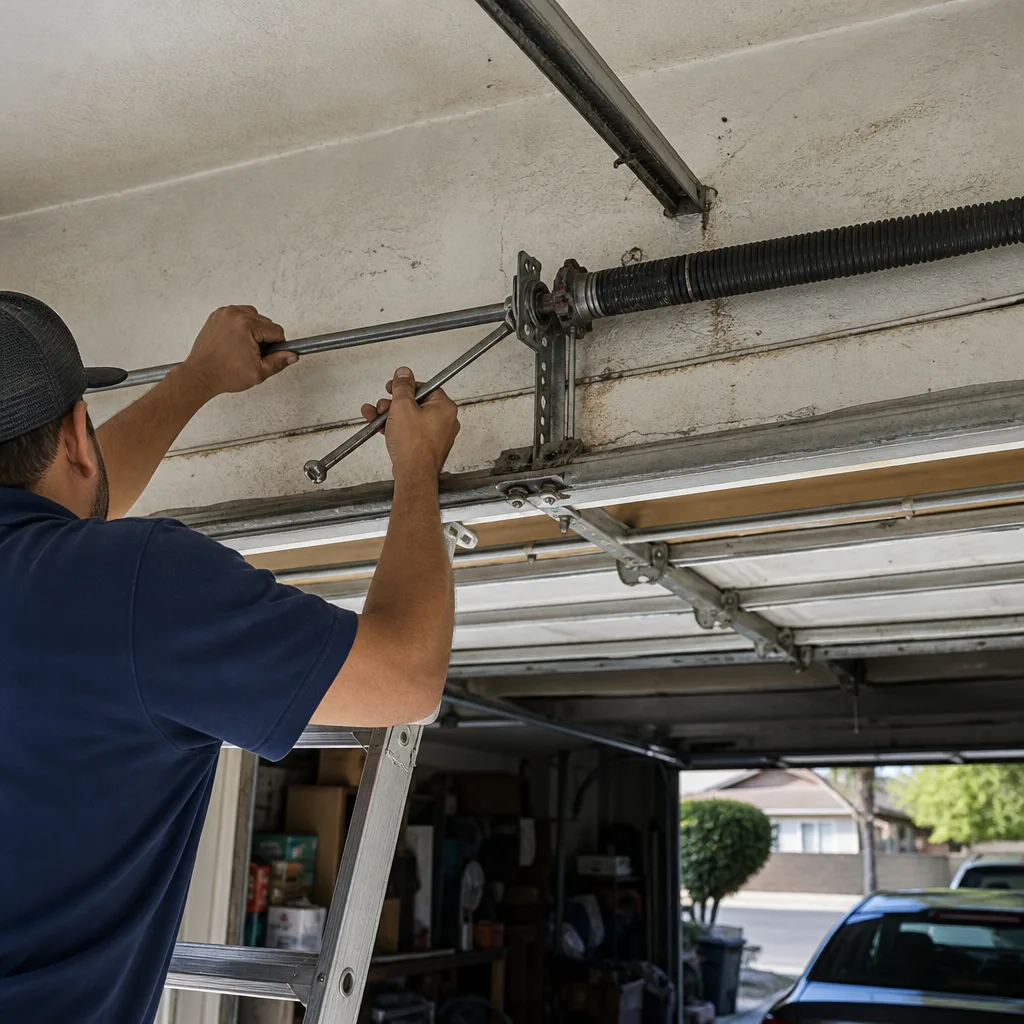 Before
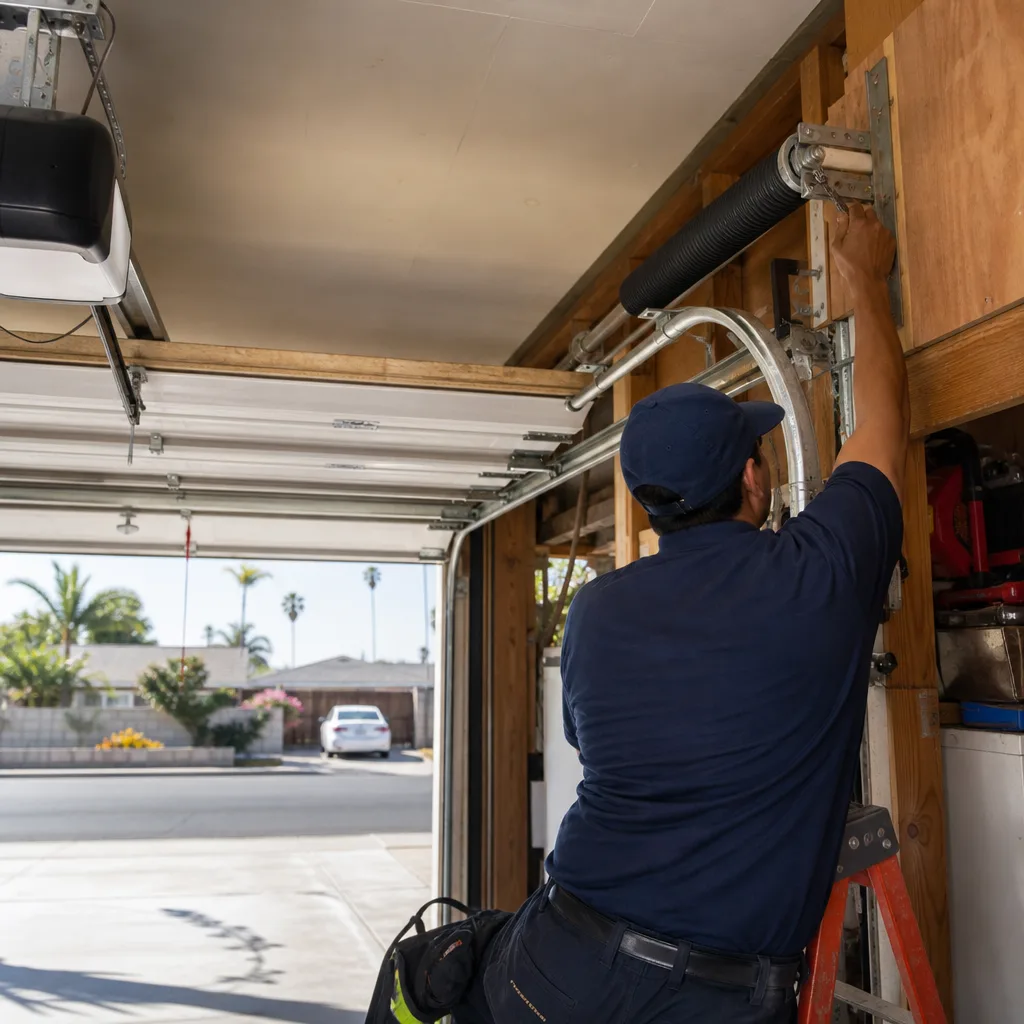 After
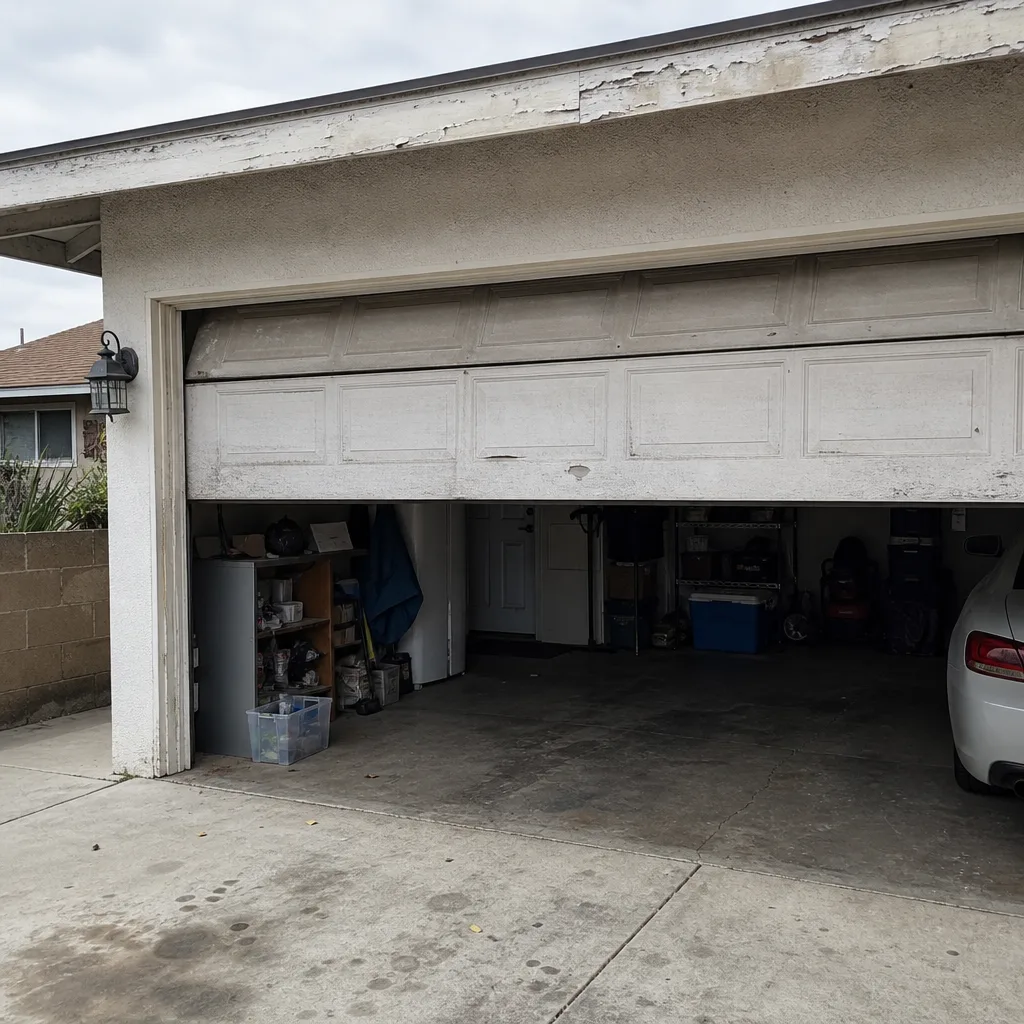 Before
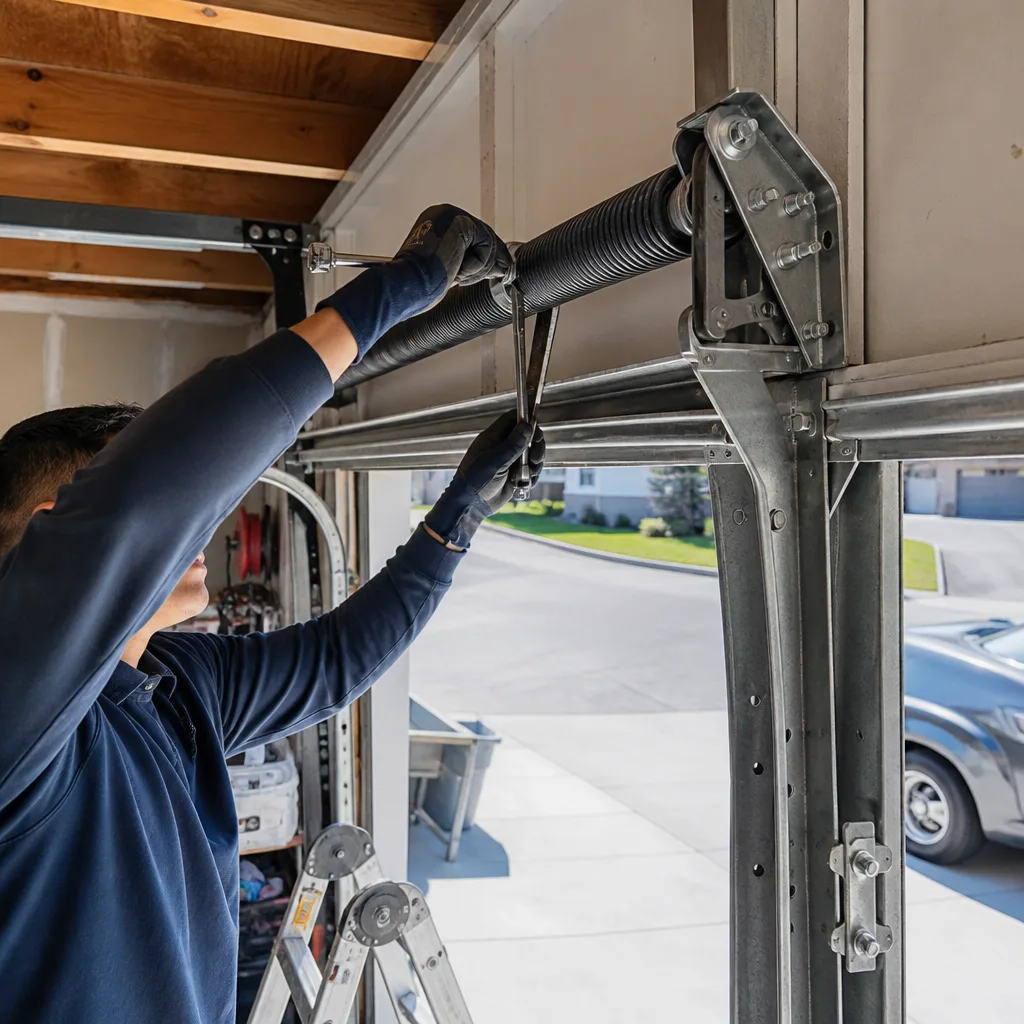 After
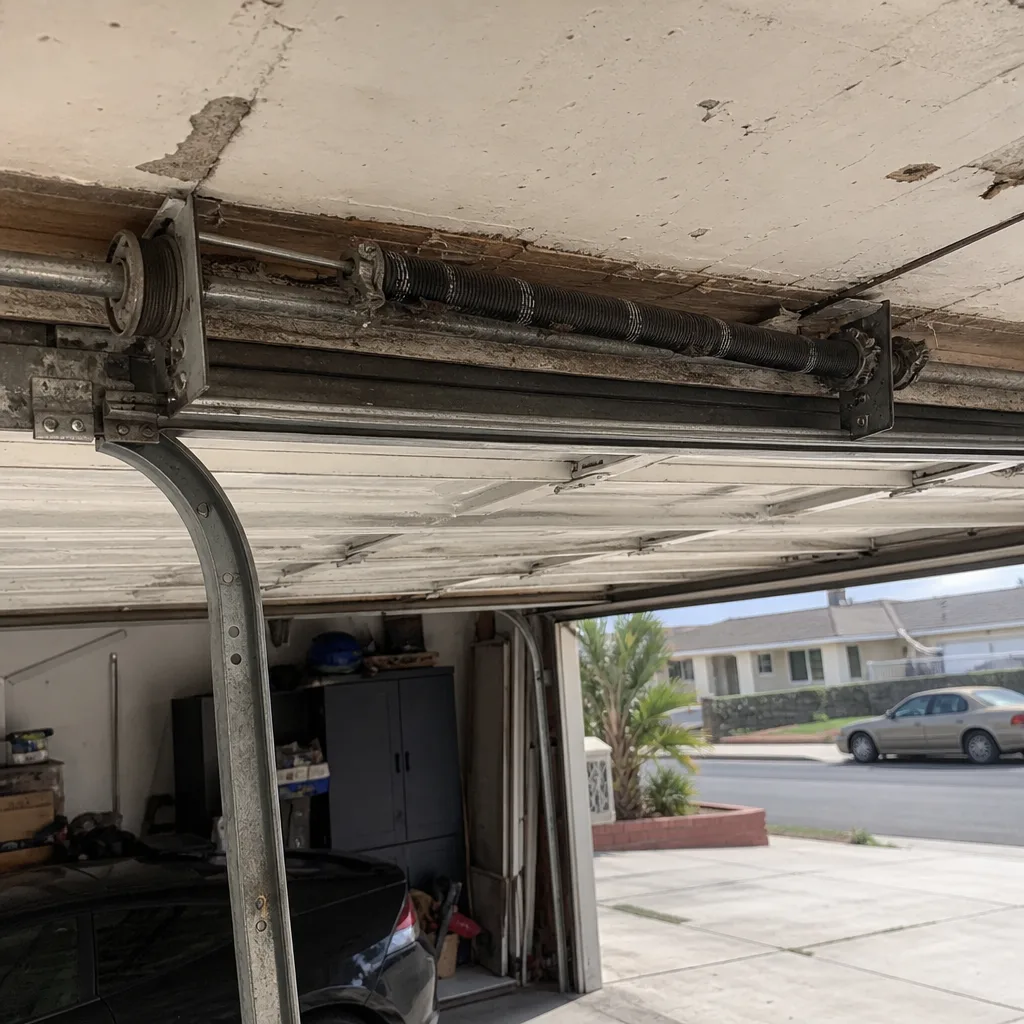 Before
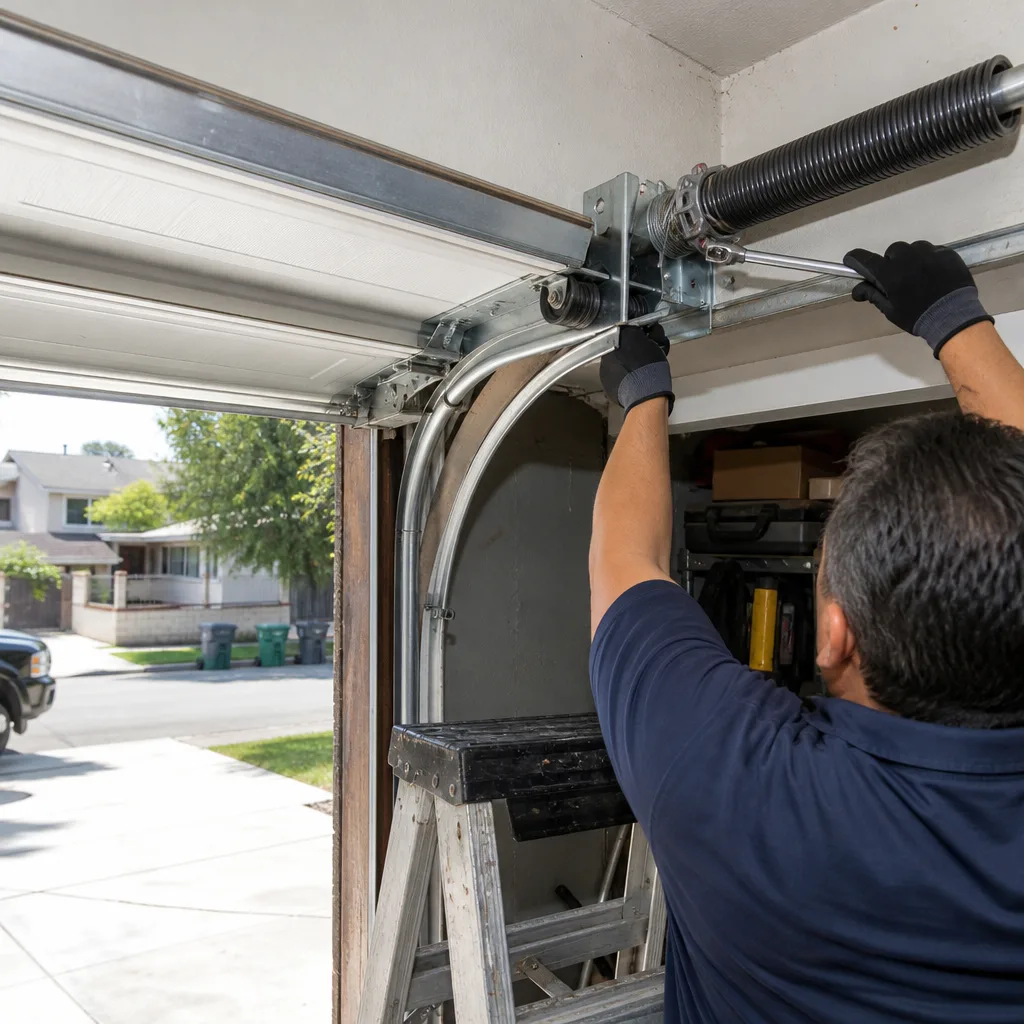 After