
Last updated November 2, 2026
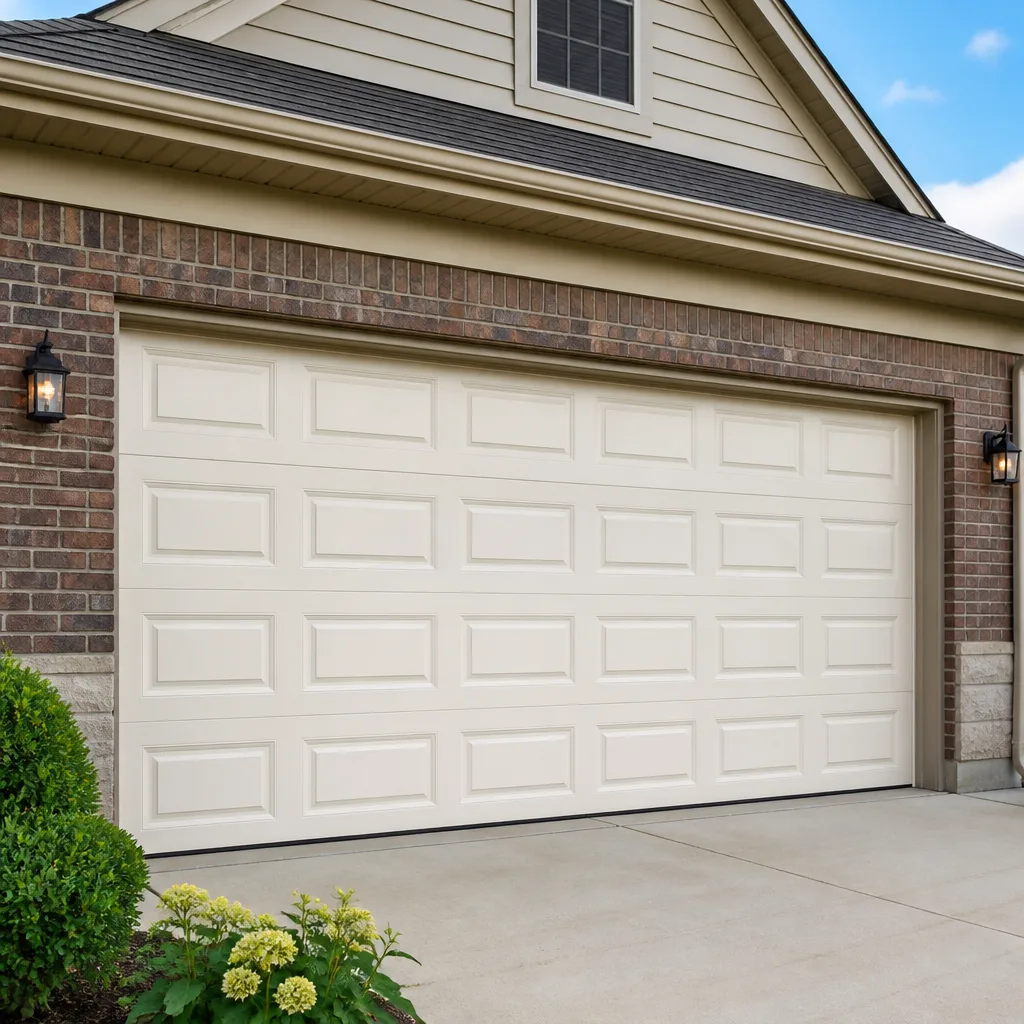 Raised-panel steel
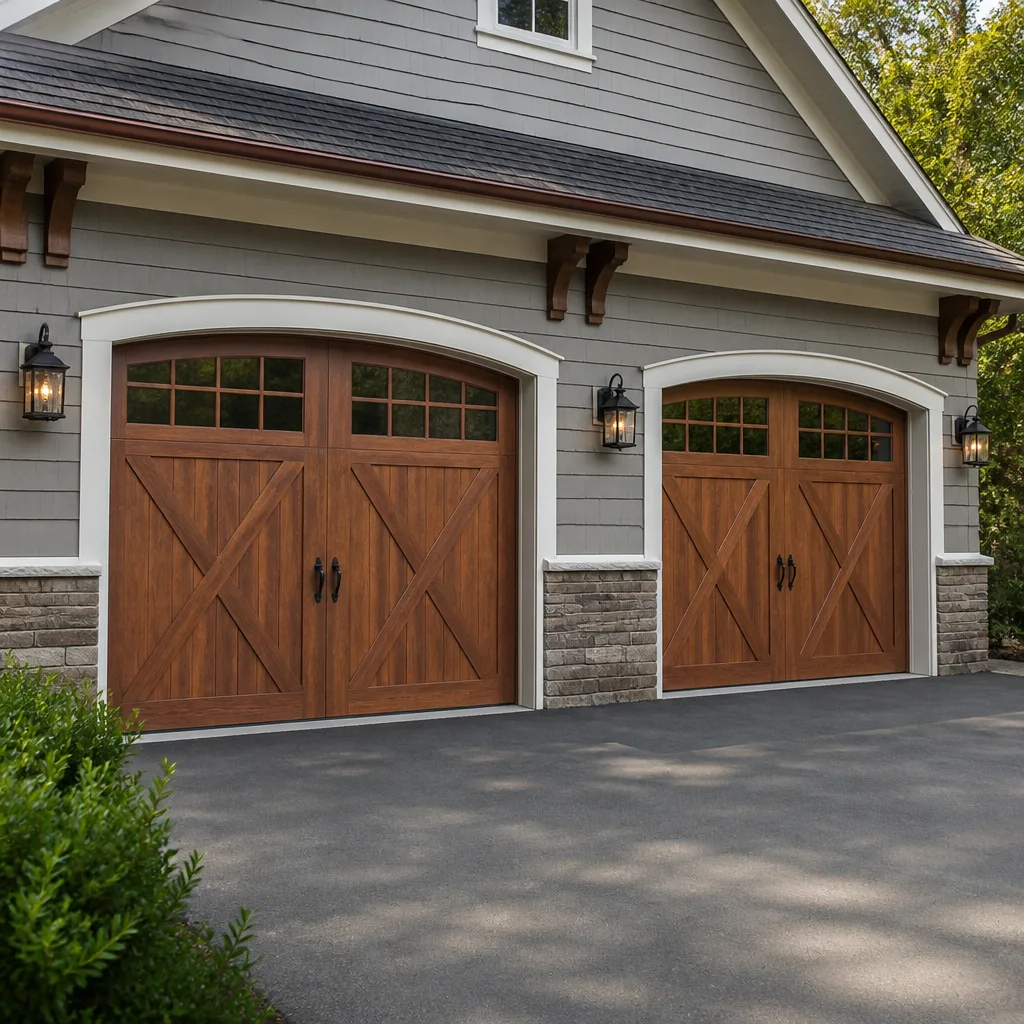 Carriage house
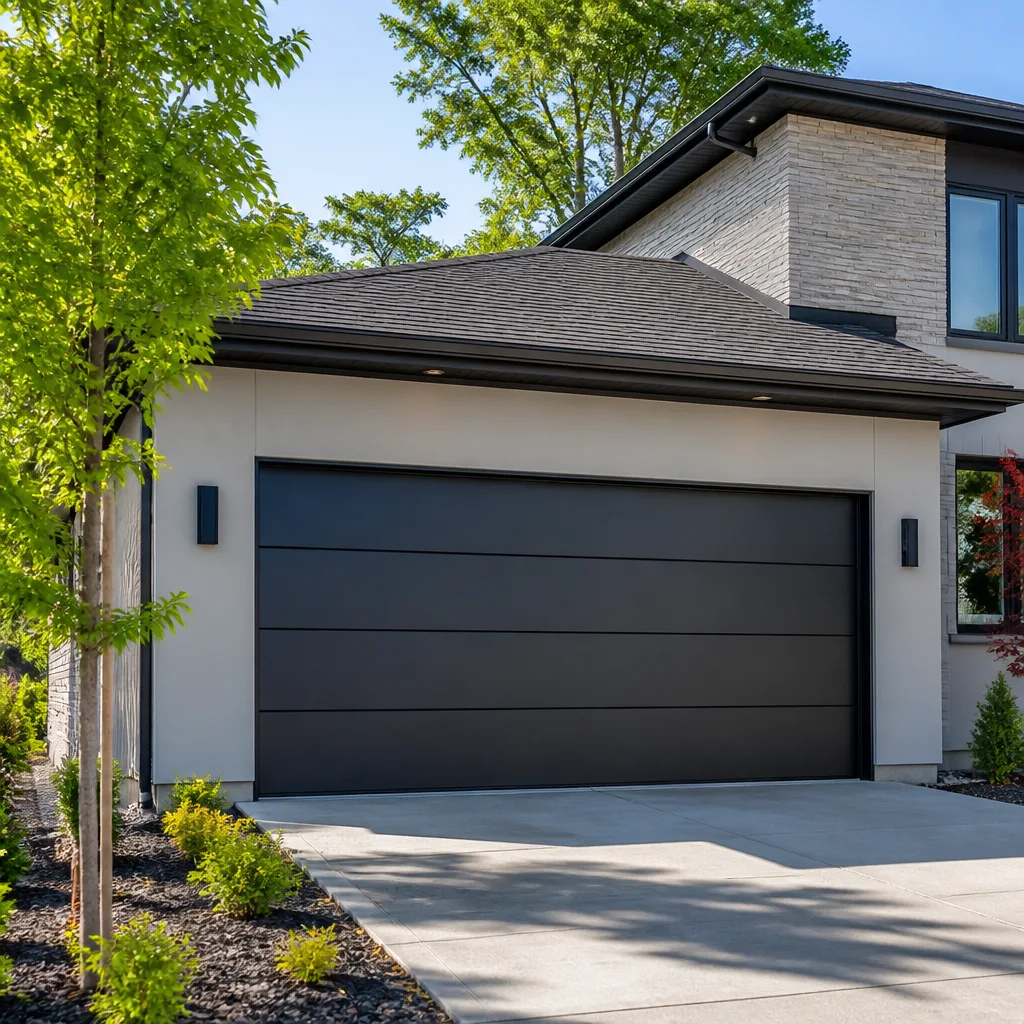 Modern flush
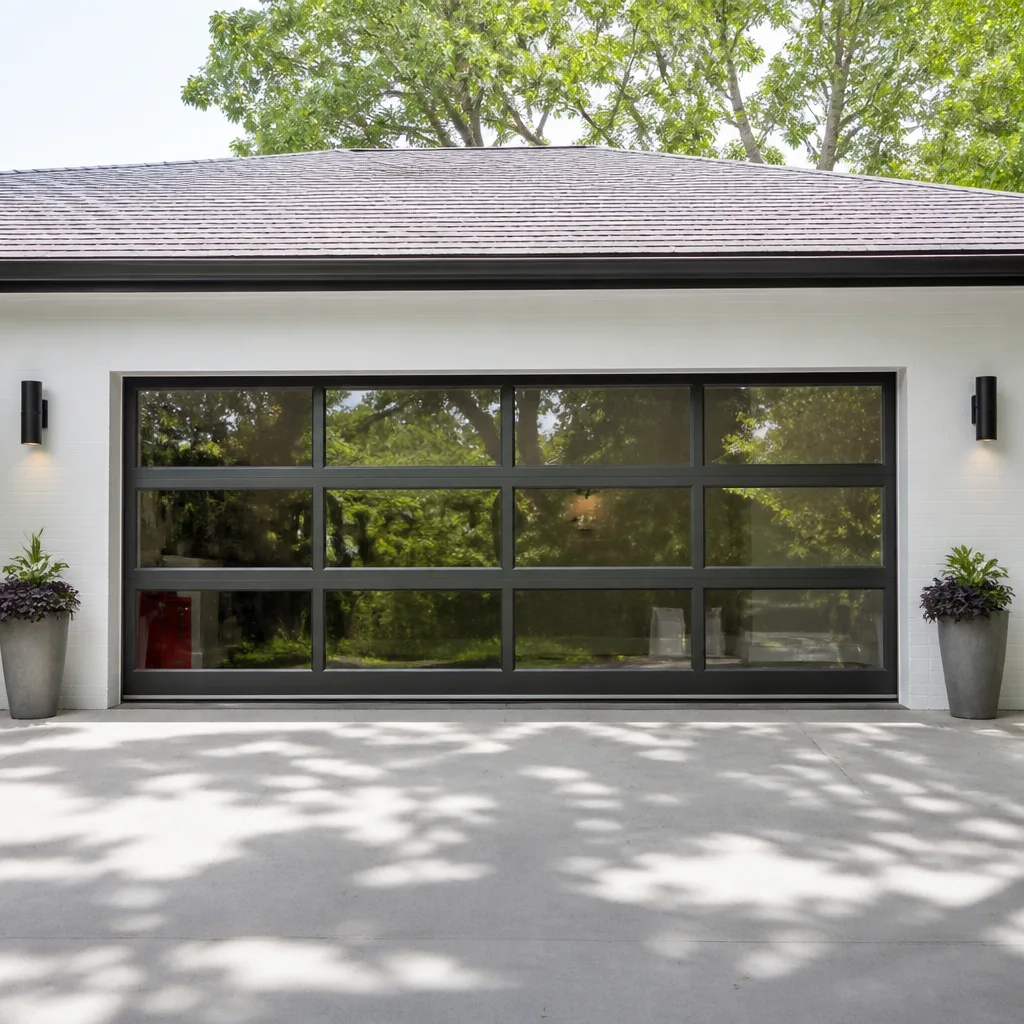 Full-view glass
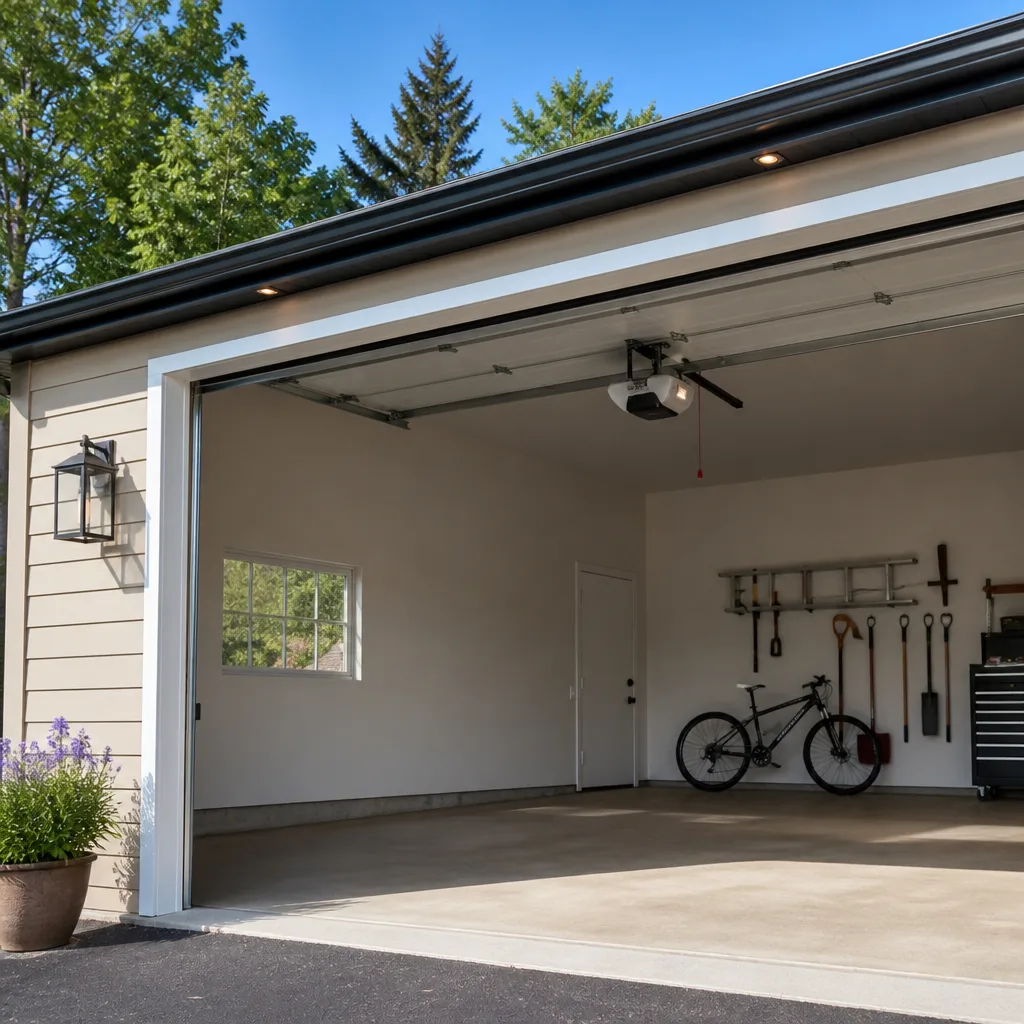 LiftMaster openers
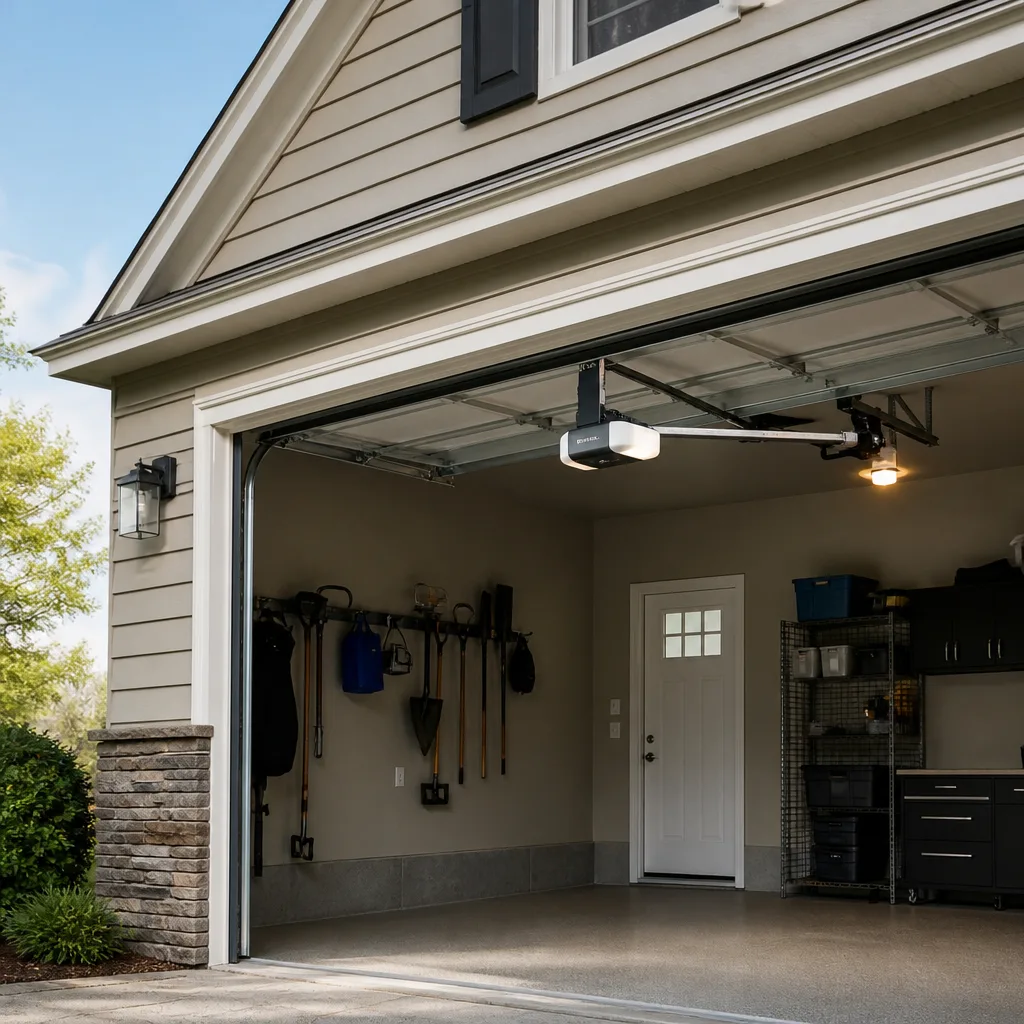 Chamberlain openers
Full 25-point door and opener safety check with every visit - springs, cables, rollers, tracks, and your LiftMaster or Chamberlain opener included
You get a price before we start. It does not change when the truck arrives.
Get your free estimateGarage Door Warning Signs: An Inglewood Homeowner’s Reference Guide
Most garage doors don’t fail suddenly. They telegraph their problems for weeks or months before the final breakdown, but the signals are subtle enough that homeowners in Inglewood learn to live with them. A door that closes a beat slower than it did last spring. A grinding noise you’ve started to tune out. A slight wobble in the track that’s “always been there.” This guide – along with our Seasonal Garage Door Care for Inglewood: Year-Round Homeowner’s Guide – teaches you to read those signals for what they actually are: your door telling you exactly what’s wrong, often before it becomes an emergency. If you own a home in Inglewood, where single-family garages built from the 1940s through the 1990s dominate the housing stock, you’re dealing with a wide mix of door styles, spring systems, and opener generations. Knowing what your door is saying can save you from a locked-out morning or a spring snapping at the worst possible time.
Styles & brands we work with
- Raised-panel steel
- Carriage house
- Modern flush
- Full-view glass
- LiftMaster openers
- Chamberlain openers
Quick Answer
Garage door warning signs fall into three categories: sounds, visuals, and movement irregularities. Grinding, popping, or scraping sounds indicate specific mechanical problems with springs, rollers, or openers. Visual cues like rusted hardware, cracked panels, or worn weatherstripping signal aging components. Movement issues like slow response, jerky operation, or doors that don’t sit level mean the system is fighting itself and will get worse. Any of these signs warrants a professional inspection in Inglewood before a minor fix turns into a full replacement; see our How to Hire a Garage Door Contractor in Inglewood: A Step-by-Step Guide to know what to ask.
Table of Contents
- The Audio Guide: What Your Garage Door Is Saying
- Visual Warning Signs You’re Probably Misreading
- Movement Irregularities: What Normal Operation Actually Looks Like
- Warning Signs Specific to Older Inglewood Homes
- The Triage Framework: Schedule Soon vs. Stop Using the Door Now
- What Ignoring These Signs Costs Inglewood Homeowners
- What You Can Check Yourself (and What You Shouldn’t Touch)
- Common Mistakes to Avoid
- When to Call a Professional
- Frequently Asked Questions
- The Bottom Line
The Audio Guide: What Your Garage Door Is Saying
A well-maintained garage door makes a consistent, low sound: the hum of the opener motor, the soft roll of wheels along tracks, the brief click of the opener engaging. When sounds change, your door is communicating a specific problem. Learning to distinguish these sounds is the single most valuable diagnostic skill an Inglewood homeowner can develop.
Grinding
Grinding is a metal-on-metal sound that usually comes from the opener itself. The most common causes are worn gears inside the motor housing or a chain drive that’s lost lubrication and is chewing through its own links. On a screw-drive opener, grinding often means the screw channel is dry or the traveler is wearing down. If you hear grinding on a LiftMaster or Chamberlain opener, the gear kit inside the motor is likely stripping. This is a repair that gets more expensive the longer you wait because the metal shavings circulate through the mechanism.
What it means: Opener component failure, usually the gear assembly or drive mechanism.
Urgency: Schedule service within a week. Continued operation accelerates the damage.
Popping
Popping sounds, especially when the door operates, are almost always spring-related. Torsion springs under load can make a popping or creaking sound as individual coils shift on the shaft. On extension spring systems common in older Inglewood garages, popping may come from the springs themselves or from bent safety cables catching on the pulley. A single loud pop followed by a door that won’t lift is the classic torsion spring failure, the most common garage door emergency in any Southern California neighborhood.
What it means: Spring stress, often a precursor to failure.
Urgency: If the sound is intermittent popping during operation, schedule soon. If you heard one loud pop and the door stopped working, stop using it and call immediately.
Scraping
Scraping is a sharper sound than grinding and usually indicates a mechanical alignment problem. A roller that’s worn flat can scrape against the track. A door that’s out of level can scrape against the jamb on one side. Bent tracks produce scraping at the same point in the cycle every time. In Inglewood, where the combination of dry air and coastal moisture can accelerate roller bearing failure, scraping is one of the most common seasonal complaints we see.
What it means: Roller wear, track misalignment, or door level issues.
Urgency: Schedule service. Rollers are inexpensive to replace; tracks bent by continuing use are not.
Rattling
Rattling is the sound of loose hardware. Nuts and bolts on hinges, brackets, and track mounts vibrate loose over years of operation. A door that rattles throughout its travel but still opens and closes smoothly is usually safe to use short-term, but the looseness compounds: vibrating hardware wears its mounting holes larger, which makes future repairs more involved and expensive.
What it means: Loose fasteners on hinges, tracks, or opener mounts.
Urgency: Schedule service within a few weeks. Tightening hardware is quick and prevents cascade failures.
Visual Warning Signs You’re Probably Misreading
Some of the most serious garage door problems show up as visual changes that homeowners file under “cosmetic.” Here’s what you’re actually looking at.
Rust on Hardware, Hinges, or Spring Coils
Rust isn’t just ugly. On spring coils, rust creates microscopic pits that concentrate stress. A torsion spring under thousands of pounds of tension will eventually crack at a rust pit. When it does, it releases that energy instantaneously. In Inglewood’s climate, with its mix of marine air and dry inland heat, unprotected steel components rust faster than homeowners expect. If you see orange-brown discoloration on any coil spring, hinge plate, or track bracket, that component is living on borrowed time.
Cracked or Warped Panels
Panel damage can be cosmetic when it’s a dent from a basketball or a car bumper. But cracks that run through the panel, especially near hinges or struts, are structural. A cracked panel changes how the door distributes its weight, which changes how the springs perform, which accelerates wear across the entire system. Warped panels are even more serious: they indicate the door has been exposed to uneven stress, often from an unbalanced door being forced to operate anyway. On a Wayne Dalton or Amarr sectional door, panel warping near the top section is often the first visible sign that the door was operated with failed springs.
Worn Weatherstripping and Gap Formation
The rubber seal along the bottom of your door and the weatherstripping along the sides and header do more than keep dust out. They regulate temperature, block pests, and signal door alignment. If you notice light coming in under one corner of the door but not the other, the door isn’t seating level. That’s an alignment problem that will grind down rollers and tracks over time.
Loose Hardware: Bolts, Brackets, and Hinge Plates
Walk along your track system and look at every bolt and bracket. Loose hinge plates will show small gaps between the hinge and the door surface. Bracket mounts pulling away from the wall or ceiling indicate the structure is shifting under load. In older Inglewood garages with wood framing, repeated cycles can loosen lag bolts from studs. This is a safety issue as much as a performance issue: a track pulling away from the wall can drop the door entirely.
Frayed or Kinked Cables
On doors with torsion or extension spring systems, the steel cables that run alongside the door are load-bearing components. A frayed cable has individual strands visible along its length. A kinked cable has a permanent bend that creates a weak point. Both are warning signs that the cable is about to fail. When a cable snaps under load, more than half the door’s weight can shift to one side instantly.
Movement Irregularities: What Normal Operation Actually Looks Like
A healthy garage door moves smoothly, quietly, and at a consistent speed through its entire travel. It takes about 12 to 15 seconds from fully open to fully closed. It doesn’t hesitate at any point in the cycle. It doesn’t speed up or slow down in the middle. It doesn’t shake. If your door deviates from this pattern in any way, the movement itself is diagnostic data.
Slow Response Time
When you press the remote or wall button, a healthy opener engages within a second. If you notice a delay of two or three seconds, or if you have to press the button multiple times, the opener’s logic board may be aging, or the safety sensors may be intermittently misaligned. A door that pauses at the bottom before reversing or hesitates at the top before closing is often fighting a sensor issue or a limit switch that needs recalibration.
Jerky or Uneven Movement
A door that shudders, jerks, or moves in small stops and starts throughout its travel has a mechanical binding issue. Common culprits include bent tracks, flat-spotted rollers, or an unbalanced door putting uneven load on the opener. The jerking motion amplifies the wear on every component in the system, turning a $50 roller replacement into a $400 opener repair if left alone.
Door Doesn’t Sit Level
Stand inside the garage with the door closed and look at the seam between the bottom panel and the floor. If the gap is wider on one side, the door is out of level. This points to uneven spring tension, which means the springs are aging at different rates. An out-of-level door works harder to close, wears rollers unevenly, and accelerates track wear.
Speed Changes Mid-Cycle
Some openers are designed with soft-start and soft-stop features, especially Genie and LiftMaster models. The door starts slowly, reaches full speed, then slows before stopping. That’s normal. What’s abnormal is a door that accelerates unexpectedly halfway down, or that slows dramatically before picking back up. These changes indicate the opener motor or capacitor is failing, or the door’s balance has shifted enough that gravity is helping more than the motor.
Warning Signs Specific to Older Inglewood Homes
Inglewood’s housing stock spans nearly a century of building styles, and the older the home, the more likely the garage door system has characteristics that newer homes don’t. Understanding what you’re working with changes how you interpret warning signs.
Extension Spring Systems
Homes built before the 1980s in Inglewood often have extension spring systems rather than torsion springs. Extension springs stretch along horizontal tracks on either side of the door. They’re less expensive than torsion systems, but they fail differently and more dangerously. An extension spring under load stores energy along its length. When it fails, it releases that energy by shooting broken spring pieces across the garage. This is why modern building codes require safety cables inside extension springs. Older Inglewood homes may not have these cables. If you have extension springs without safety cables running through them, that’s a red flag independent of any other warning signs.
Single-Piece Doors
Pre-1970s Inglewood garages sometimes still have single-piece doors that tilt up and back rather than rolling up in sections. These doors are much heavier than modern sectional doors relative to their size. They place enormous stress on hinges and springs. Warning signs on a single-piece door include hinge creaking at specific points in the arc, visible stress cracks near hinge mounts, and a door that “settles” when opening or closing. If you have a single-piece door with a modern opener retrofitted to it, the incompatibility between design and equipment often shows up as opener motor strain that you can hear.
Outdated Opener Technology
Openers manufactured before 1993 did not include the now-mandatory photoelectric safety sensors that reverse the door when something breaks the beam. If your Inglewood home has a pre-1993 Craftsman or early-model Chamberlain opener, you’re operating without a key safety feature that prevents entrapment injuries. This is a replacement-worthy issue regardless of the opener’s operating condition. The warning sign here isn’t just performance. It’s the absence of a safety system that’s been required for three decades.
The Triage Framework: Schedule Soon vs. Stop Using the Door Now
Not every warning sign is an emergency. But some are. Knowing the difference prevents you from either panicking unnecessarily or continuing to use a door that could fail catastrophically. Here’s the framework we use when talking to Inglewood homeowners.
Stop Using the Door Immediately If:
- You hear a single loud bang or pop, and the door no longer lifts. This means a torsion spring or extension spring has failed. The door may weigh 150 to 250 pounds with no counterbalance. Do not attempt to lift it manually, and do not operate the opener. Call for emergency service.
- A cable is visibly frayed or kinked, or has jumped off the pulley. The door’s load-bearing system is compromised. Operating it risks a sudden cable snap that can whip steel across the garage.
- The door drops quickly when you release it from the opener. This indicates complete spring failure or severe imbalance. A free-falling door is a crushing hazard to people, pets, and vehicles.
- The door reverses direction mid-cycle without anything in the sensor path. This could indicate a sensor malfunction or a mechanical jam. Either way, the door is not safe to operate until diagnosed.
Schedule Service Within a Few Weeks If:
- The door is slow, but consistent. Slowness indicates aging components, not immediate failure risk. You have time to schedule a diagnostic visit.
- You hear grinding or scraping that has developed gradually. The damage is progressing, but not imminently dangerous. Waiting longer only increases the repair cost.
- The door is slightly out of level or has minor gaps at the bottom seal. This is a tune-up issue. Springs may need adjustment or replacement, but you’re not in emergency territory.
- Hardware is showing rust but everything still operates normally. Rust is a countdown, not an immediate failure. But the countdown is running, and steel components in Inglewood’s climate don’t self-heal.
What Ignoring These Signs Costs Inglewood Homeowners
The financial case for paying attention to warning signs is straightforward: component-level fixes are priced in tens or low hundreds of dollars, while system-level repairs and replacements are priced in hundreds or thousands. A worn roller at $25 becomes a bent track at $180. A bent track becomes a misaligned door that kills the springs at $350. Worn springs become an emergency call. In Inglewood, where many garages serve as primary vehicle storage and secondary living space, a disabled door also costs you time, access, and sometimes a day of work. For more guides & resources on keeping your door reliable, explore our blog.
Here is what we typically see in the Inglewood market when homeowners delay:
| Warning Sign | If Addressed Early | If Ignored |
|---|---|---|
| Worn rollers | Roller replacement: $25-$45 per roller | Bent track + roller replacement + door realignment: $150-$400 |
| Dry or grinding opener | Gear kit or lubrication: $75-$225 | Opener replacement: $350-$575 parts and labor |
| Popping springs | Spring inspection and adjustment: $90-$175 | Spring replacement (both springs): $180-$340 |
| Frayed cable | Cable replacement: $85-$180 | Emergency service + cable + potential door panel damage: $300-$600 |
| Rusting hardware | Hardware replacement and tune-up: $75-$150 | Component failure requiring full door inspection: $250-$500 |
These are the numbers we quote for the Inglewood and greater South Bay market. Every job is quoted and agreed before any work begins, so there are no surprises on the invoice.
What You Can Check Yourself (and What You Shouldn’t Touch)
There is a line between informed maintenance and dangerous interference. Here is where that line sits for an Inglewood homeowner.
You Can Safely:
- Run the door and listen. Record audio on your phone for 15 seconds. Compare it across a few weeks. If the sound changes, you have a baseline to share with a technician.
- Visually inspect cables, springs, and tracks for rust, fraying, kinks, or loose fasteners. Look, don’t touch. Loose bolts on brackets can be snugged with a socket wrench if you’re comfortable and they’re accessible without a ladder.
- Check the door’s balance manually. With the door closed, pull the red emergency release cord. Lift the door by hand. It should rise smoothly and stay about halfway open without support. If it drops or shoots up, the springs are improperly tensioned. Do not adjust them yourself.
- Clean and lubricate rollers that are accessible. Use a silicone-based or lithium-based garage door lubricant on hinge pivots and roller stems. Never lubricate the roller bearings themselves; sealed bearings don’t take lube and the grease just attracts dirt.
Leave to a Professional:
- Anything involving spring tension. Torsion springs store energy measured in hundreds of foot-pounds. A single mistake can cause a spring to release that energy into whatever is closest, including you. This is not hyperbole. It is the leading cause of garage door-related injuries requiring hospitalization in the United States.
- Cable replacement. Cables are load-bearing components under tension. Replacing them requires releasing and re-tensioning the spring system. The risk is the same as spring work.
- Track realignment or replacement. Tracks are not just guides. They carry the door’s lateral load. A misaligned track can pinch, bind, or drop a door. The bolts securing track brackets to the ceiling and wall are also under constant stress.
- Any opener repair that requires removing the cover. Even unplugged, an opener’s capacitor can hold a charge that delivers a painful and potentially dangerous shock. The drive gear, logic board, and limit switch assemblies are precision components that don’t respond well to guesswork.
If you have a Raynor or Craftsman door and you’re not sure which spring system you’re looking at, call us. We work across all major brands, so the diagnosis starts from a place of knowing what we’re looking at, not figuring it out on your dime.
Common Mistakes to Avoid
- Normalizing new sounds. Every new sound is data. A door that started grinding six months ago and hasn’t failed yet isn’t fine. It’s failing slowly, and the repair will be bigger than it would have been.
- Lubricating to mask sounds instead of fixing causes. Adding lubricant to a grinding opener quiets it temporarily while the metal continues to grind itself away. If the sound comes back in a week, the underlying problem is still there.
- Continuing to use a door after a spring failure. We get calls from Inglewood homeowners who forced their opener to lift a door with a broken spring, which stripped the opener’s gears. One expensive repair became two.
- Attempting DIY spring or cable work after watching online videos. The videos exist. The injuries also exist. This remains the one repair where the cost of being wrong is measured in emergency room visits, not dollars.
- Ignoring seasonal changes in door behavior. Metal expands and contracts. But a door that behaves differently in summer than winter in Inglewood’s relatively stable climate usually has a mechanical issue, not a weather issue.
- Replacing the opener without checking the door itself. If the door is unbalanced or the springs are weak, a new opener is just a fresh motor fighting the same battle. The opener loses every time.
When to Call a Professional
If you’ve identified any of the warning signs in this guide and you’re not sure what to do next, the safest step is a professional inspection. Most diagnostic visits take under an hour. You learn what’s wrong, what it costs to fix, and what can wait. Whitestone Garage Door Service offers free estimates in Inglewood. We work on LiftMaster, Chamberlain, Genie, Clopay, Amarr, Wayne Dalton, Craftsman, and Raynor systems, so the technician who shows up already knows your door’s brand and its common failure points. Garage doors are all we do, and we quote every repair before touching a tool. Call (866) 753-8675 to schedule your free estimate.
Frequently Asked Questions
Spring replacement in Inglewood typically runs from $180 to $340, including both springs and labor. This assumes standard torsion springs on a typical single or double garage door. Extension spring systems on older homes run from $150 to $280. Any quote you receive should be confirmed and agreed before work begins. Call (866) 753-8675 for an exact quote on your door.
Yes. Most common repairs like spring replacement, roller replacement, cable repair, and opener gear fixes are same-day jobs in Inglewood. Our technicians carry the parts for the most common brands on the truck, including LiftMaster, Chamberlain, Genie, and Craftsman opener components. If your door is stuck open or closed, call (866) 753-8675 and we’ll get someone out as quickly as the schedule allows.
No. The price quoted before work begins is the price you pay. We quote every repair in writing and do not start work until you’ve approved the number. If the technician discovers additional issues during the repair, those are quoted separately and require your sign-off before proceeding.
It depends on the failure. A 25-year-old door with a single broken spring is usually worth repairing if the panels, tracks, and hardware are in good shape. A 25-year-old door with rusted hardware, warped panels, and a failed opener is better replaced, because the cumulative cost of sequential repairs will exceed the cost of a new door within a couple of years. We install new doors across all major brands in Inglewood and can give you an honest repair-or-replace recommendation during an inspection; our Choosing the Right Garage Door Brand: A Buyer’s Guide for Inglewood can help you start comparing options.
We service and repair openers from LiftMaster, Chamberlain, Genie, Craftsman, and Raynor, among others. Our work spans eight of the most widely installed brands in the market. If you have an opener and you’re not sure what brand it is, the technician will identify it on arrival and work from that knowledge base.
For the most common repairs like springs, cables, rollers, hinges, and opener gears, the parts are on the truck. For less common components, like specific panels for discontinued Amarr models or specialty Wayne Dalton hardware, parts may need to be ordered. In either case, we’ll tell you the timeline before starting any work so you can make an informed decision.
The Bottom Line
Your garage door is one of the most-used mechanical systems in your home, cycling open and closed thousands of times each year. In Inglewood, where garages handle everything from daily commutes to weekend projects to extra storage, the cost of ignoring warning signs is higher than the cost of paying attention. Sounds, visual cues, and movement irregularities are all telling you something specific about your system. Learning to read those signals means you schedule a repair when it’s cheap instead of an emergency when it isn’t. When you need an expert, Whitestone Garage Door Service is a Whitestone Garage Door Service home specialist working across eight major brands. Whether you need Garage Door Repair in Santa Monica, Garage Door Opener Repair in Santa Monica, or Garage Door Installation in Santa Monica, we bring brand-specific knowledge to every job. Call (866) 753-8675 for a free estimate.
Written by the team at Whitestone Garage Door Service, serving Inglewood since 2018.
See the difference
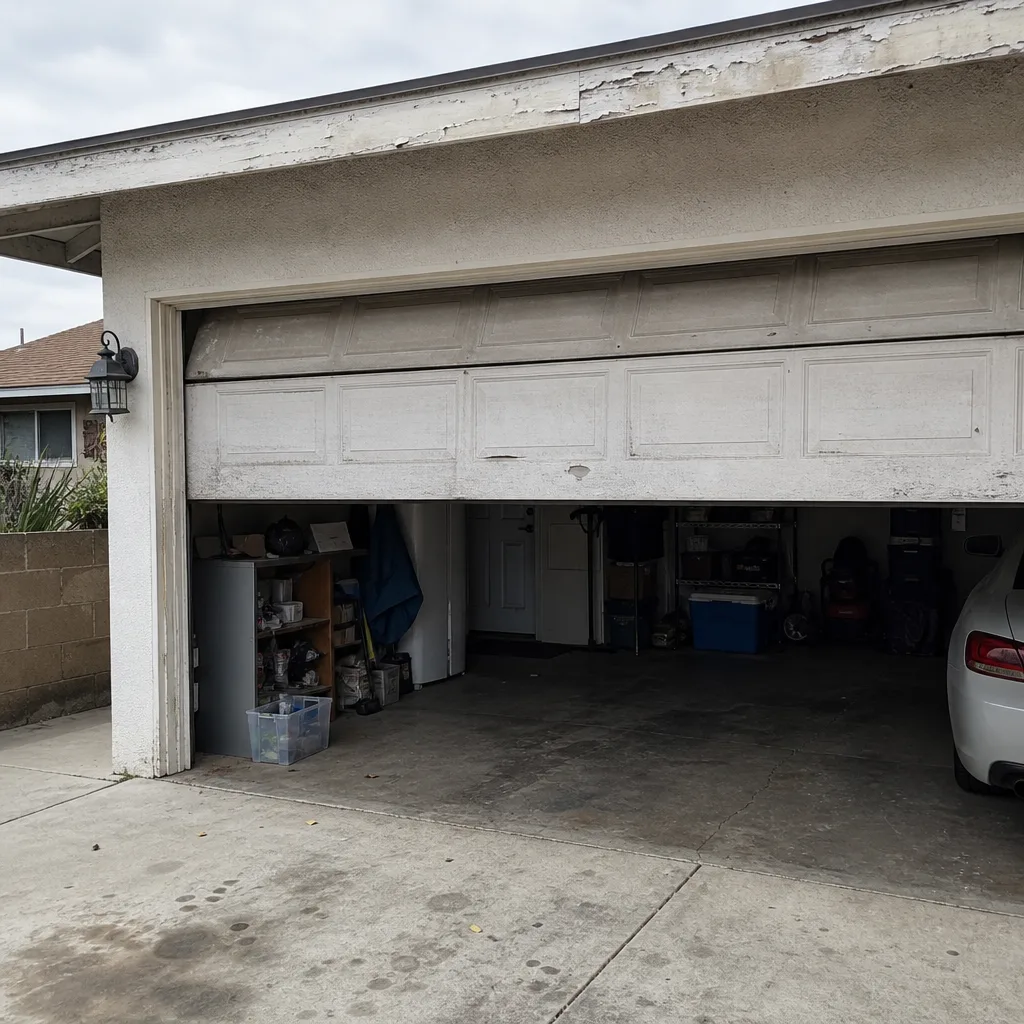
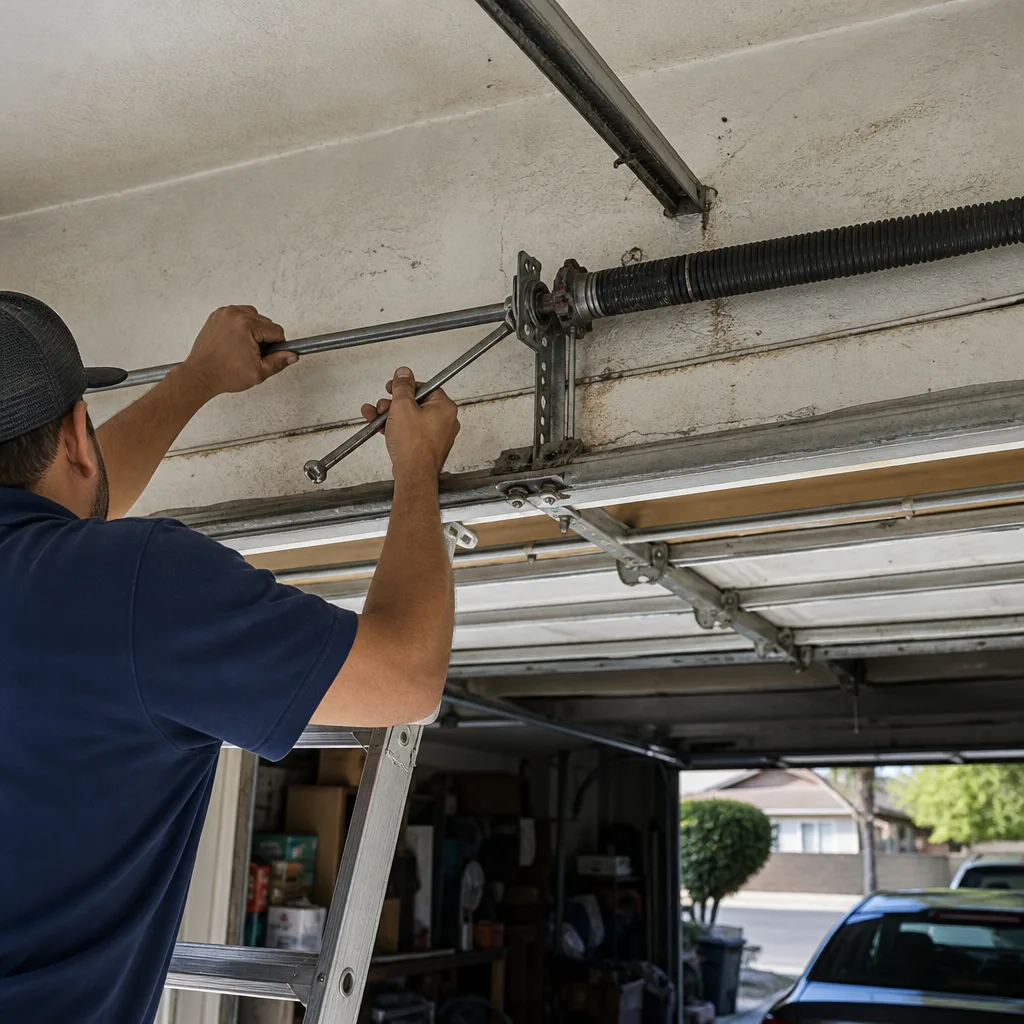 Before
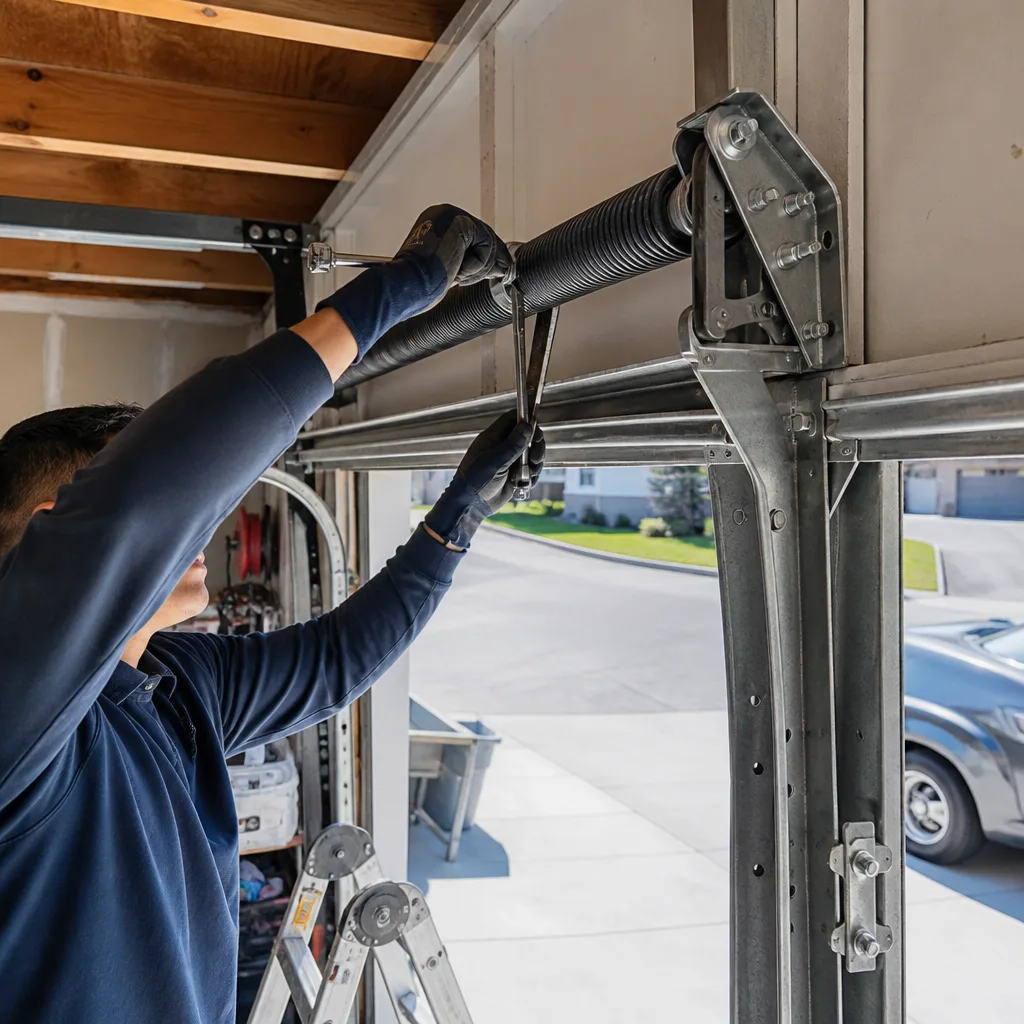
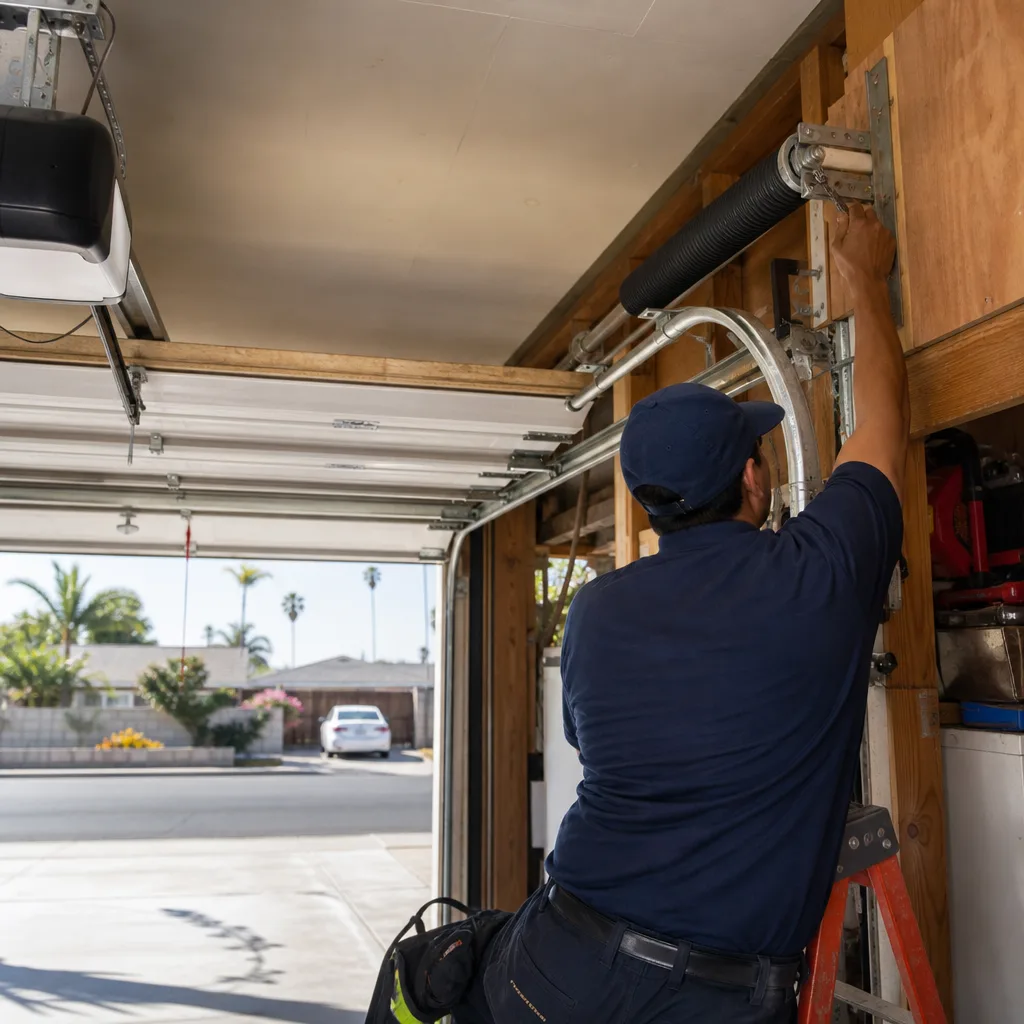 After
 Before
 After
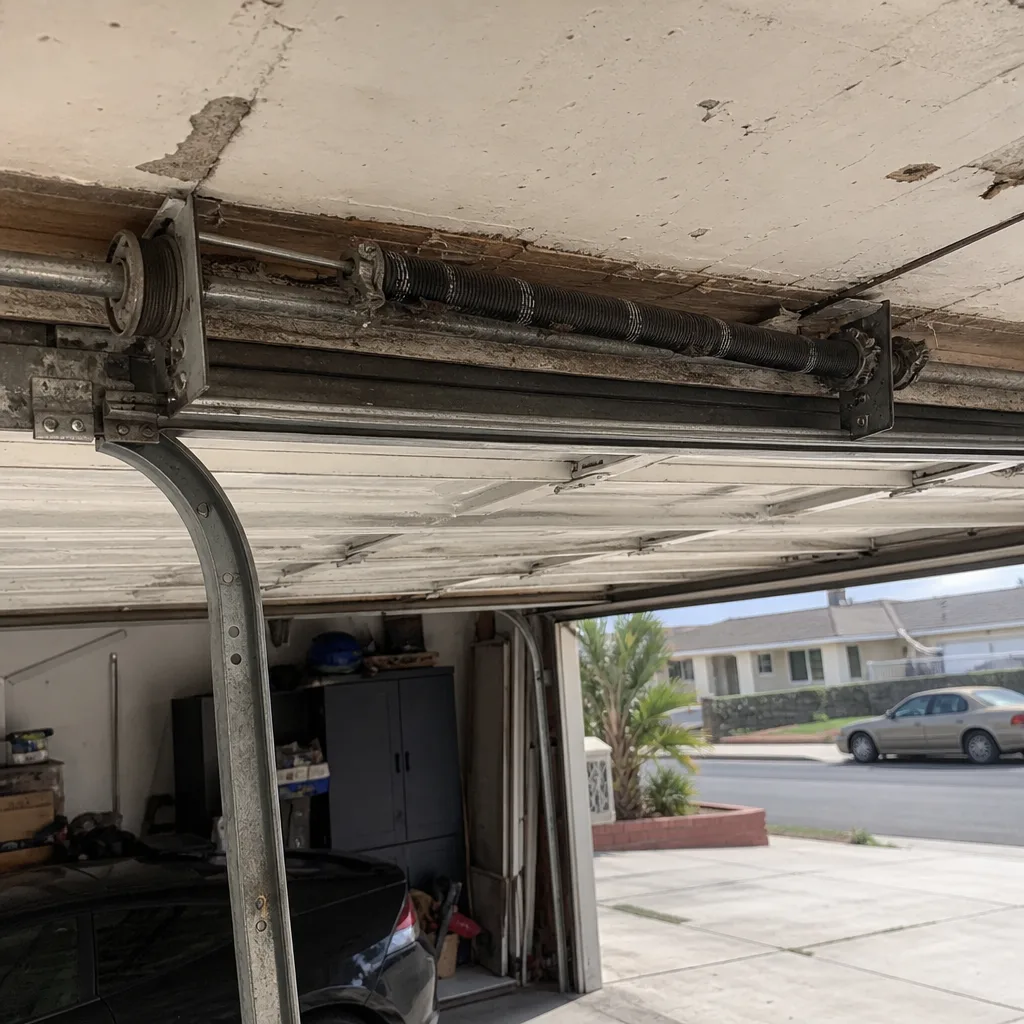 Before
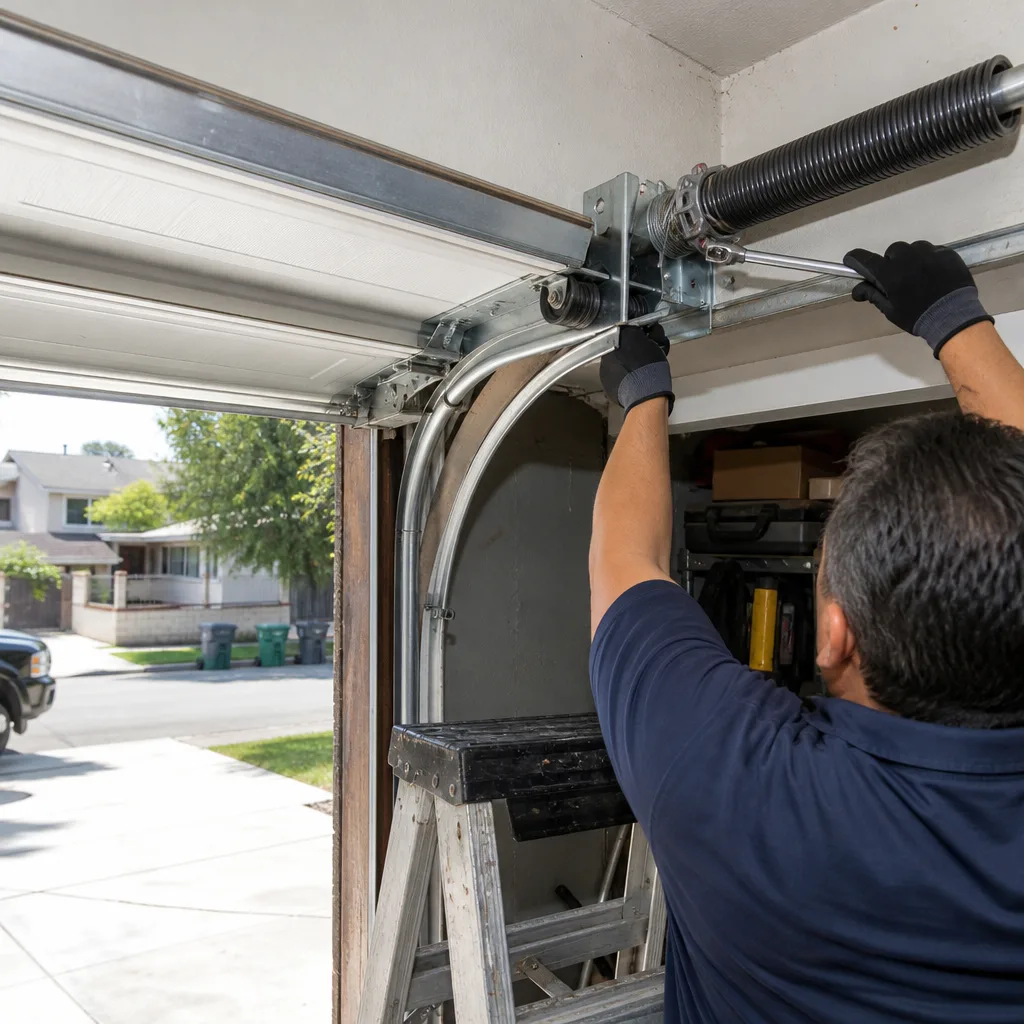 After