
Last updated November 2, 2026
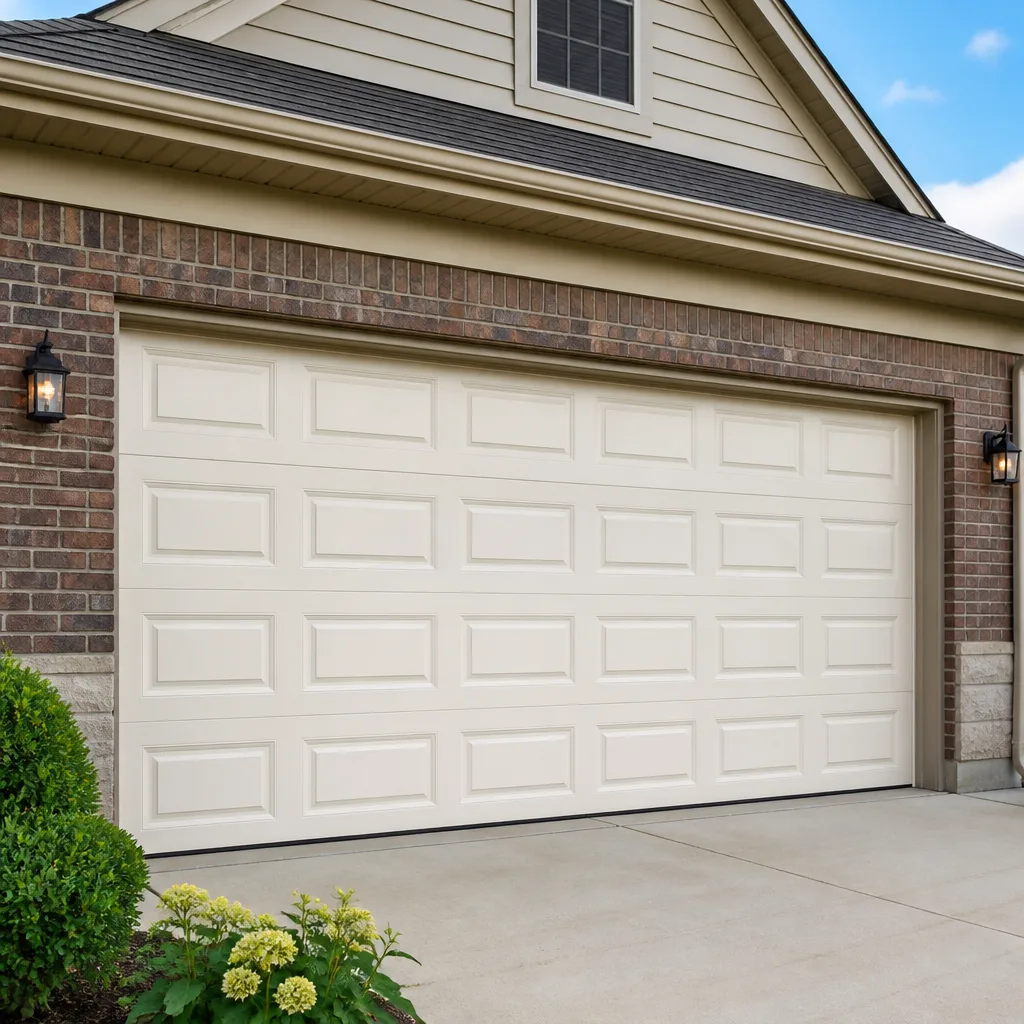 Raised-panel steel
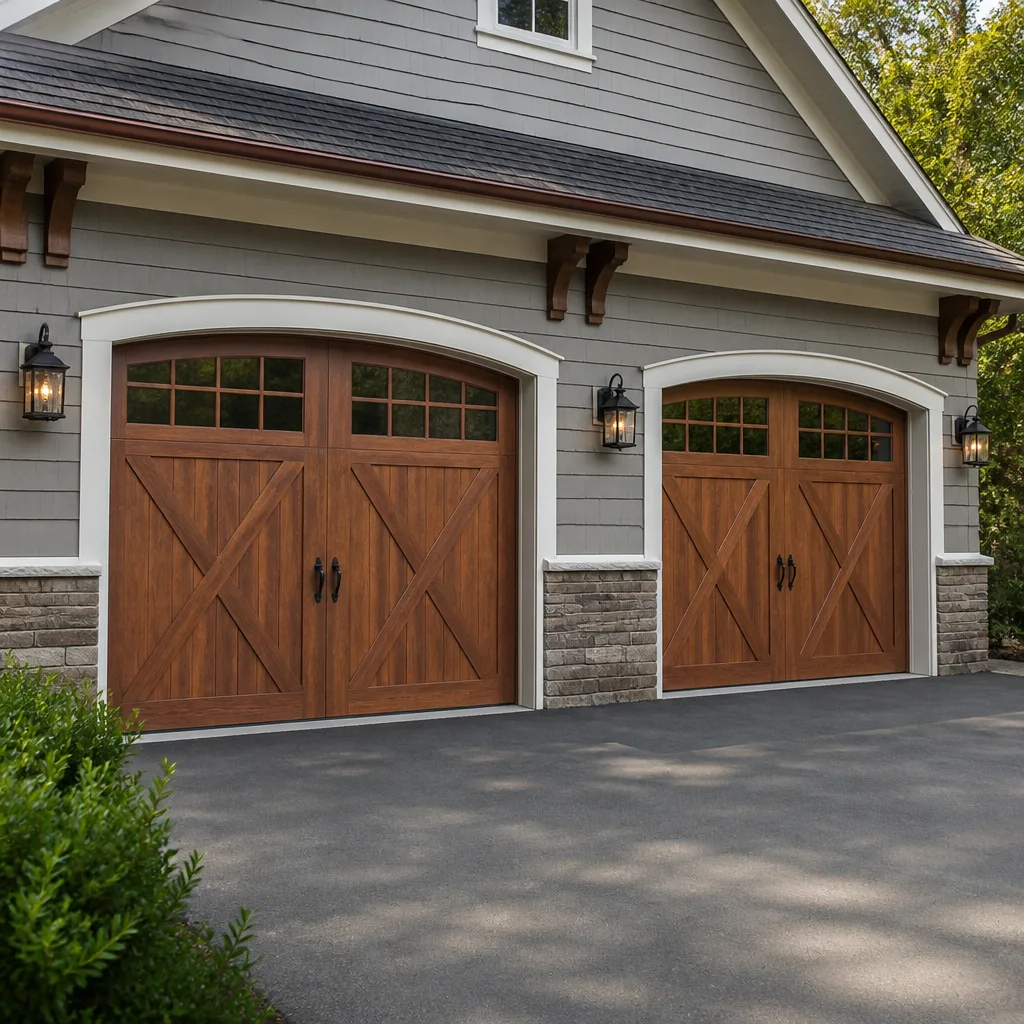 Carriage house
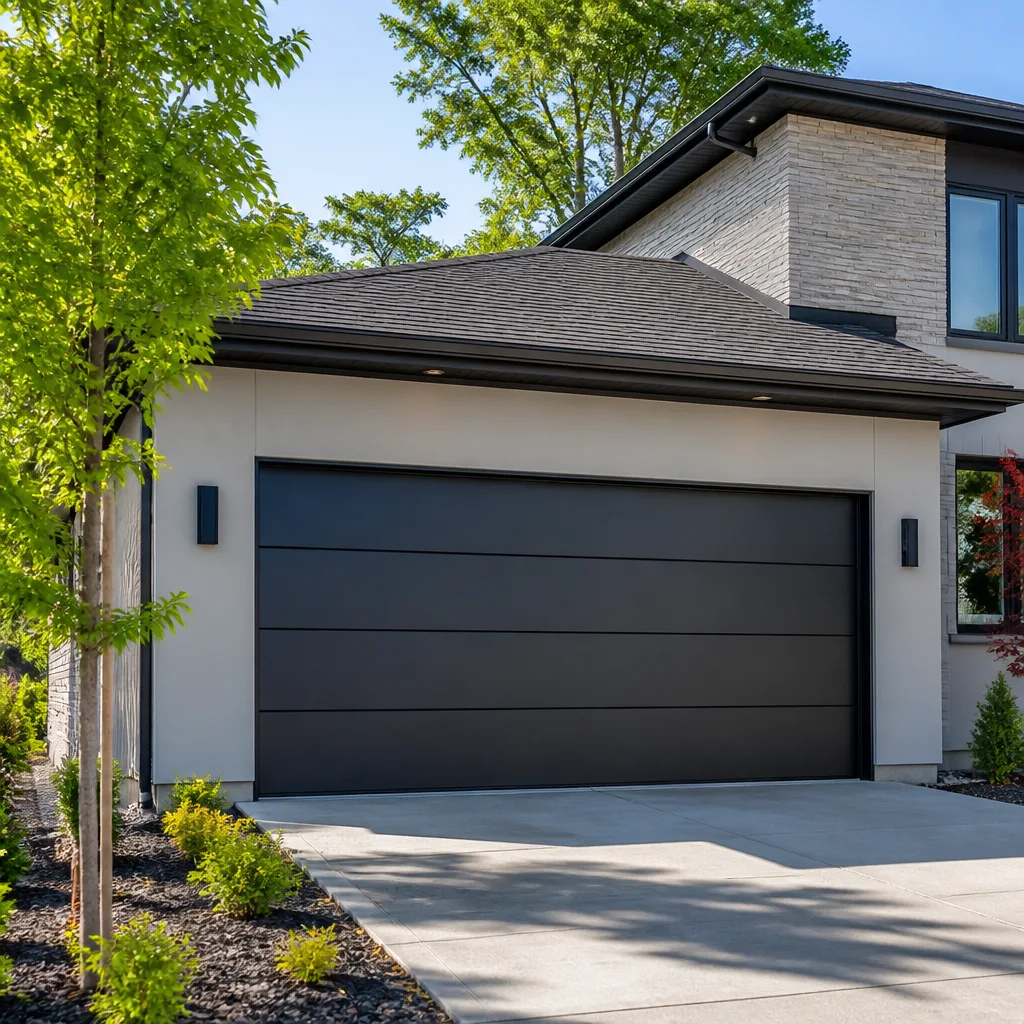 Modern flush
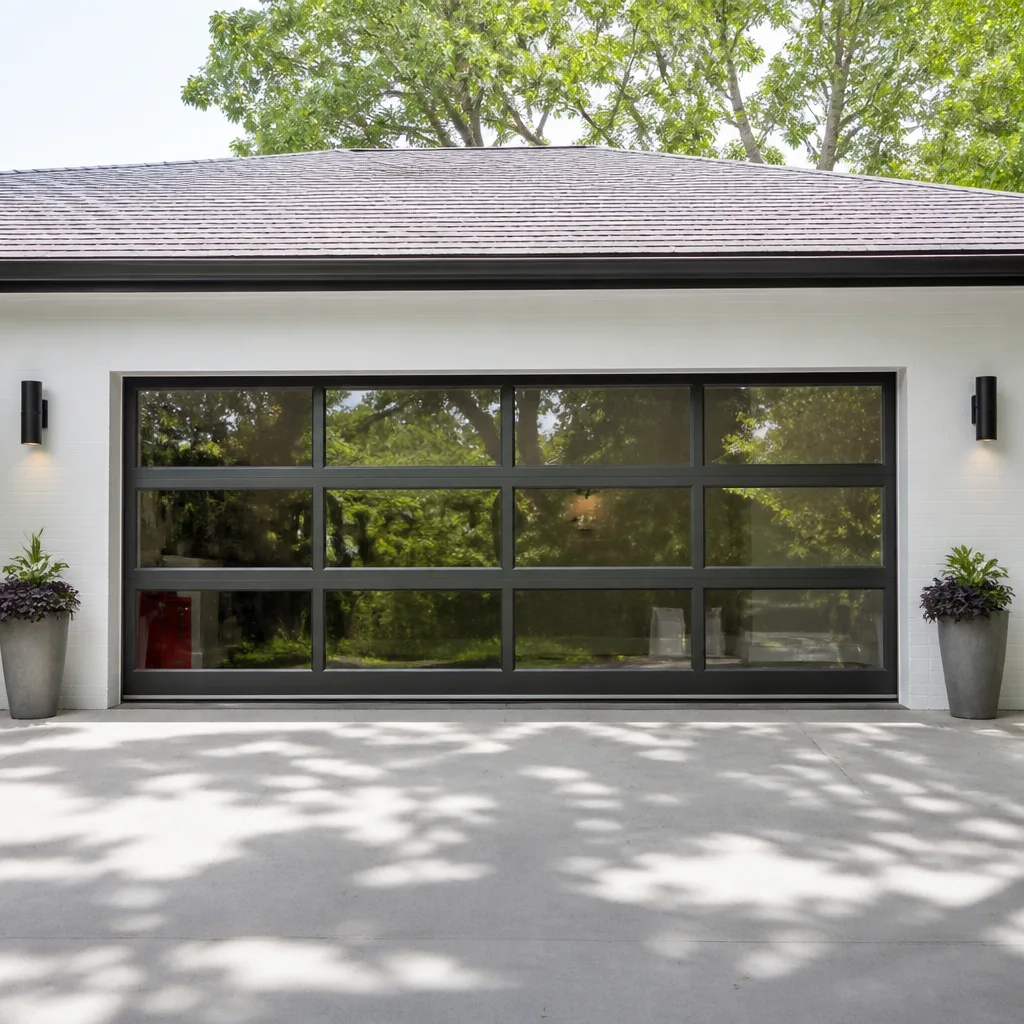 Full-view glass
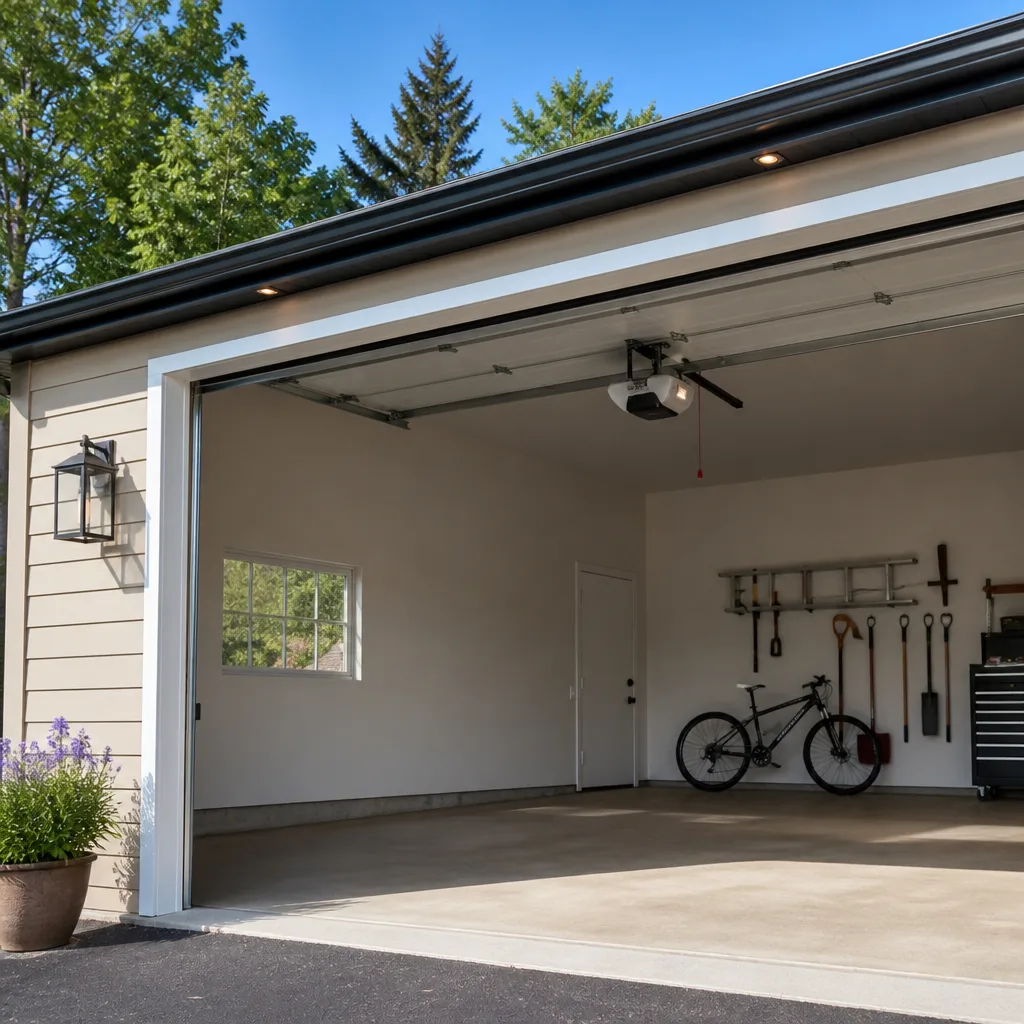 LiftMaster openers
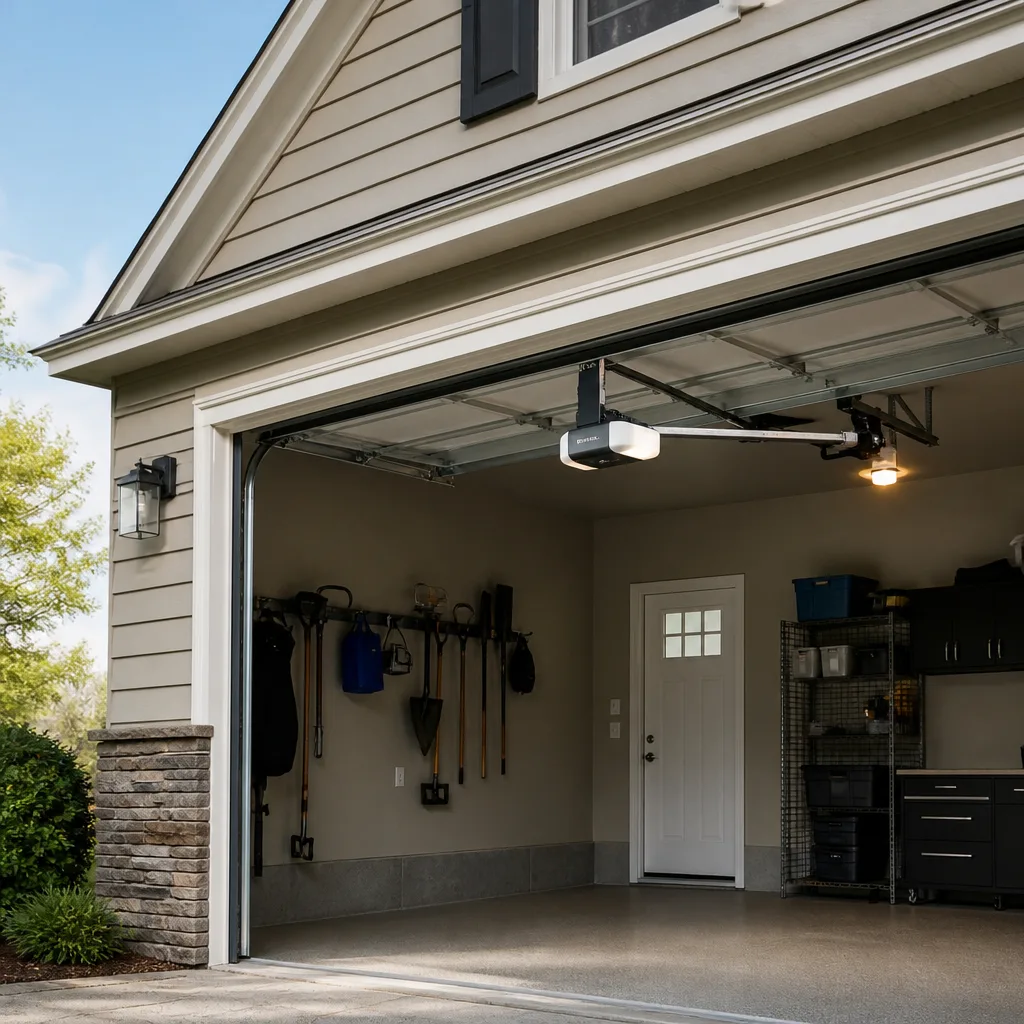 Chamberlain openers
Full 25-point door and opener safety check with every visit - springs, cables, rollers, tracks, and your LiftMaster or Chamberlain opener included
You get a price before we start. It does not change when the truck arrives.
Get your free estimateGarage Door Cost Breakdown: The Inglewood Homeowner’s Reference for 2026
Most Inglewood homeowners expect a new garage door to cost somewhere between $1,200 and $1,800. Then the quote arrives at $3,400 and the sticker shock sets in. The gap isn’t padding, usually. It’s the labor premium attached to non-standard rough openings, a condition that shows up in a disproportionate number of Inglewood’s pre-1970 garages. This guide disassembles every line item in a 2026 garage door project, from steel gauge to permit fees, so you can evaluate any quote against actual market numbers for Inglewood rather than national averages that don’t reflect what’s happening here. For more guides & resources, see our blog.
Styles & brands we work with
- Raised-panel steel
- Carriage house
- Modern flush
- Full-view glass
- LiftMaster openers
- Chamberlain openers
Quick Answer
A full garage door replacement in Inglewood in 2026 typically runs $1,600 to $4,200, with a single-car steel door at the low end and a double-car wood composite with a smart opener at the high end. The average single-door replacement lands around $2,100 to $2,600 installed, including the door, hardware, labor, and disposal of the old unit. Door-only installation without the opener cuts roughly $350 to $700 off that total.
Table of Contents
- Door Panels: What Materials Actually Cost in Inglewood
- Labor and Installation: The Non-Standard Opening Problem
- Hardware, Track, and Springs: The Line Items Nobody Quotes
- Garage Door Opener Cost Tiers: What Each Upgrade Is Worth
- Inglewood-Specific Cost Add-Ons: Low Headroom, Masonry, ADUs
- Permits, Disposal, and Fees: The Small Print
- How to Pressure-Test Any Quote in 7 Minutes
- Common Mistakes to Avoid
- When to Call a Professional
- Frequently Asked Questions
- The Bottom Line
Door Panels: What Materials Actually Cost in Inglewood
The door panel itself is typically 40 to 55 percent of your total project cost. In Inglewood, where garage doors face afternoon sun and salt-adjacent air from the coast, material choice isn’t just aesthetic. It determines how long the door lasts before it needs refinishing or replacement.
Here’s what each material tier runs for a standard single-car door (8 by 7 feet) in 2026, installed:
- 25-gauge steel, non-insulated: $900 to $1,400. The entry point for every builder-grade home in Inglewood. Fine for detached garages you don’t spend time in. Dents easily. No thermal value.
- 24-gauge steel, polystyrene-insulated: $1,300 to $1,900. The practical sweet spot for most Inglewood homeowners. Holds up to the afternoon heat, resists dents better than 25-gauge, and cuts garage temperature swings noticeably.
- 26-gauge steel, polyurethane-insulated: $1,800 to $2,600. Thicker insulation core bonded to the steel. If your garage shares a wall with a bedroom, this is the tier worth paying for, because it also dampens street noise from Century Boulevard traffic.
- Wood composite: $2,400 to $3,800. The look of solid cedar without the warping risk. Popular in Morningside Park and the Arbor Vitae corridor where architectural style matters. Heavier, so expect a spring upgrade line item.
- Solid wood: $3,500 to $6,000+. Custom panel work. Rare in Inglewood unless you’re matching a historic facade. Requires annual refinishing within five miles of the coast.
- Aluminum and glass: $2,800 to $4,500 for a modern frame-and-glass door. Common on mid-century homes near the Forum and Hollywood Park. No insulation value, but the aesthetic is the point.
Double-car doors run 60 to 80 percent more than single-car equivalents, not double. The incremental material cost is lower because more of what you’re paying for is the opening itself. Brands like Clopay and Amarr dominate the Inglewood market at these price points. We’ve worked on both extensively, and the difference between them is rarely in the steel itself. It’s in the hardware they bundle and how cleanly their track systems align after installation.
What drives price within a material tier? Panel thickness, insulation R-value, and finish. A powder-coated steel door from Amarr runs more than a builder-grade door of the same gauge because the finish survives Inglewood’s sun without fading in year three. If you plan to stay in the house past five years, skip the entry-level paint finish.
Labor and Installation: The Non-Standard Opening Problem
Labor in Inglewood runs $450 to $900 for a standard replacement on an opening that’s straight, level, and already framed for a modern door. That number covers removal of the old door, installation of the new one, alignment, and balancing. It does not cover structural surprises.
And here’s the number that matters most in this city: a non-standard rough opening adds $250 to $700 in labor. Inglewood has a large stock of pre-1970 homes, especially in the neighborhoods between La Brea and Prairie, where garage openings were framed at odd widths before standardized door sizes became the norm. Contractors either have to modify the opening, custom-order a door, or install a filler frame. All three cost extra.
Other labor modifiers we see regularly:
- Low headroom (10 to 12 inches above the opening): adds $150 to $300 for a low-headroom track kit. Standard track needs about 15 inches of vertical clearance.
- Wide openings (9 feet or wider on a single door): adds $200 to $400. The panel needs reinforcement struts, and the spring has to be upsized.
- Masonry attachment: adds $150 to $350. Many Inglewood garages attach directly to stucco over block rather than wood framing. Anchoring to masonry takes longer and requires different fasteners.
- Old door disposal with a torsion spring still wound: adds $50 to $100 if the previous installer cut corners and left a loaded spring. Safe disposal requires unwinding it first, which takes time.
When you’re comparing quotes, ask whether the labor line item includes removal and disposal. Some lower bids break those out as separate charges that erase the apparent savings.
Hardware, Track, and Springs: The Line Items Nobody Quotes
The third line item in any complete garage door project is hardware: tracks, rollers, hinges, brackets, and the counterbalance spring system. This is where low bids hide their margin.
Here’s the realistic breakdown in Inglewood for 2026:
- Track system (vertical and horizontal rails): $180 to $400. Galvanized steel track is standard. Powder-coated track runs more. If your old track is in good shape and matches the new door’s gauge, a disciplined installer may reuse it, but most won’t, because matching old track to a new door risks misalignment.
- Rollers: $40 to $120 for a full set. Nylon rollers are the upgrade worth taking. Steel rollers chatter and wear tracks faster. Nylon runs quiet, and in a house where the garage sits under a bedroom in Inglewood’s postwar floorplans, that matters.
- Hinges and brackets: $60 to $180. Door weight determines how many and what gauge. A wood composite door needs doubled hinges on the bottom sections.
- Torsion springs: $180 to $400 installed as part of a replacement. Sized to the door’s exact weight and cycle life. A 10,000-cycle spring costs more than a 7,500-cycle spring and lasts years longer. On a double-car door, you’ll have two springs, and both should be replaced at the same time.
- Weatherstripping and bottom seal: $60 to $150. Inglewood’s dust and occasional driving rain mean a fresh bottom seal isn’t optional. It keeps the garage floor clean and the door sealed against the Santa Ana winds.
Every one of these parts has a brand-specific tolerance. A Chamberlain door doesn’t take a generic replacement spring the same way a Clopay does. That’s why we carry manufacturer-matched hardware for the brands most common in Inglewood rather than universal parts that sort-of fit. When a quote breaks out hardware as one vague number, ask what brand and gauge the parts are. If the answer is vague, the install will be too.
Garage Door Opener Cost Tiers: What Each Upgrade Is Worth
If your door replacement includes a new opener, expect to add $350 to $900. The spread comes down to drive type, smart connectivity, and battery backup. Here’s what each tier buys you in Inglewood in 2026:
- Chain-drive, basic, no smart features: $350 to $450 installed. A Chamberlain or Genie entry-level unit. Loud, but works. Fine for a detached garage you rarely open. No Wi-Fi, no app, no backup battery.
- Belt-drive, basic smart connectivity: $500 to $650 installed. The practical upgrade for attached garages. Belt drive is noticeably quieter, and the basic smart hub lets you open and close from your phone. Worth the jump if you use the garage as your primary entrance.
- Belt-drive, full smart ecosystem: $650 to $800 installed. Adds camera integration, real-time activity logging, and compatibility with your broader home system. In Inglewood, where package theft is a real concern, the camera integration has actual utility beyond convenience.
- Belt-drive, premium, with battery backup: $750 to $900 installed. The top tier. Battery backup runs the opener during outages, which matters in a city that occasionally loses power during heat waves and wind events. This is the tier we recommend for any Inglewood home where the garage is the only way in and out.
Opener replacement on its own without a new door runs toward the lower end of these ranges, because half the labor is shared when the opener goes in alongside a new door. If you’re replacing the door and the opener is more than 12 years old, doing both at once saves $150 to $250 in labor.
Inglewood-Specific Cost Add-Ons: Low Headroom, Masonry, ADUs
Garage door pricing in Inglewood diverges from national averages in three specific ways. These are the line items that show up on quotes here and almost nowhere else in the country.
1. Low-headroom retrofits are disproportionately common. The 15-inch vertical clearance that modern track systems want wasn’t standard in pre-1980 construction. A meaningful percentage of Inglewood garages, especially in the Crescent Heights and Morningside neighborhoods, have 10 to 12 inches of headroom above the opening. Low-headroom track kits solve this with a different drum and cable configuration, and they add $150 to $300. You can’t substitute a standard track system here. It won’t clear the opening.
2. Stucco-over-block attachment means masonry anchors. Many Inglewood garages are framed directly into stucco over concrete block rather than into wood jambs. That’s not a problem, but it is a slower install. The anchor points need to be drilled into masonry, which takes longer and burns bits. A competent installer will have this line item on the quote. A cheap one will use wood screws into stucco, which fail within a few years and create a dangerous door condition.
3. ADU conversions are changing the cost math in real time. Inglewood’s ADU ordinance has driven a wave of garage conversions, and the ones that keep the garage as a garage while adding living space above it are running into structural weight and fire-rating questions. If your garage now has a bedroom above it, your replacement door should be fire-rated, which adds $300 to $600 over a standard door. It also changes the opener requirements underneath the living space. This isn’t an upsell. It’s a building code reality in Inglewood that any permit reviewer will enforce.
Permits, Disposal, and Fees: The Small Print
Here’s the line-by-line breakdown of the charges that wrap around the door itself. These are the items that push a $2,000 project to $2,600 and catch homeowners off guard.
Permit fees in Inglewood for a door replacement on an existing opening typically run $60 to $150. The City of Inglewood requires a permit for residential garage door replacement when the structural opening is modified. If you’re swapping a door into an existing, unmodified opening, many installations fall under the permit threshold, but any change to the rough opening, framing, or fire separation triggers the permit requirement. A contractor who tells you a permit is never needed is guessing.
Old door disposal runs $80 to $180. That includes removal from the property. Some installers include it in the labor line. Some break it out. Either way, it’s a real cost. Steel doors have scrap value that offsets some of the hauling, but the time to load and transport is what you’re paying for.
Reinforcement struts on wide doors: $80 to $200. Double-car doors and single doors wider than 9 feet need horizontal bracing to keep the panel from bowing in wind and from flexing with daily heat expansion. Inglewood’s summer temperature swings make this more important than in many coastal cities.
Spring upsize on heavier doors: $60 to $180. If you’re moving from a light steel door to a wood composite, the torsion spring has to be recalibrated and likely replaced with a heavier gauge. This isn’t optional. An undersized spring fails early and can cause the door to drop.
Here’s the principle that holds across all these: a straightforward swap into a modern, standard opening is genuinely simple and should be priced that way. The complexity, and the cost, comes from the opening itself. Every line item above should be itemized in writing. If a quote has one number and no breakdown, you can’t compare it against anything else.
How to Pressure-Test Any Quote in 7 Minutes
Take the quote in hand and run through these seven checks. Each one is designed to identify where a low bid is cutting corners or a high bid is inflating.
- Is there a line item for hardware, or is it lumped into “installation”? A quote without a hardware breakdown is a quote where the hardware is the cheapest available. Ask for brand and gauge on springs, rollers, and track.
- Does the labor line item match the opening type? If your garage is pre-1980, has stucco walls, or shows less than 15 inches of headroom, and the labor number is under $400, the installer hasn’t looked at your garage. They’ve priced a standard swap and they’ll discover the extra work on install day.
- Is the torsion spring included, and is it sized to the door? A spring cost that’s suspiciously low means a generic spring off the truck. When it fails early, you’ll pay twice.
- Is disposal listed? If it’s not, you’ll either pay it later or the old door sits at your curb until bulk pickup. In Inglewood, that’s often weeks.
- Are the rollers nylon or steel? Steel rollers are a trim that saves the installer about $35 and costs you years of noise and track wear.
- Is the permit line item present? If the opening is being modified and there’s no permit line, the installer is planning to skip it or expects you to pull it. Either way, it’s not a clean job.
- Does the quote specify the brand of the door and opener? “Quality steel door” is not a brand. If the quote won’t name it, the door is whatever the supplier had on the shelf. That’s not a value. That’s an unknown.
This seven-check process takes under ten minutes and it catches the majority of bad quotes in the Inglewood market. For a complete preventive approach, see our Garage Door Repair Maintenance Checklist for Inglewood Homeowners. We’ve used the same checklist to audit competitor quotes for homeowners in this city, and it consistently separates disciplined pricing from guessing.
Common Mistakes to Avoid
- Choosing a door by price per panel alone. The panel is half your cost at most. The hardware and labor are the other half, and a cheap panel on expensive prep is a waste of both.
- Replacing the door without checking the opener’s compatibility. Older openers, particularly pre-2015 models, don’t always handle the weight of a new insulated door. Check the motor’s lifting capacity before finalizing the door choice, or budget for an opener replacement on the same visit.
- Skipping the spring upgrade on a heavier door. Every pound you add to the panel changes the counterbalance requirement. Installers who reuse the old spring on a wood composite door are creating a future failure point.
- Mismatching the track to the door. Old track paired with a new door is a known recipe for misalignment, roller failures, and binding. It’s not a place to save $200.
- Not confirming the permit situation in writing. If the installer says a permit isn’t needed, get that in writing. If they’re wrong, the responsibility is yours with the City of Inglewood, not theirs.
- Buying a non-insulated steel door for an attached garage. The Inglewood sun turns an uninsulated garage into an oven by noon in July. The $300 you save up front becomes an air conditioning bill every summer after.
- Accepting one number with no line items. A one-line quote is a blank check. You cannot compare it, audit it, or hold the installer to it. Any legitimate Inglewood installer will break it down.
When to Call a Professional
There are jobs in a garage door project that a homeowner can reasonably handle, and then there’s everything involving the torsion spring, torsion tube, and cable system. The spring assembly is under constant tension capable of serious injury, and the cable system under load is just as dangerous. If the problem involves a wound spring, a snapped cable, a door that’s off its track, or an opener replacement requiring new wiring, call a garage door specialist. For urgent situations, review our Garage Door Emergency Preparedness Guide for Inglewood Homes.
Beyond safety, there’s the diagnostic problem. A door that binds on one side might be a roller, a hinge, a track alignment issue, or a shifted jamb. Identifying which one, and fixing it without creating a second problem, is what separates a specialist from a guess. Whitestone Garage Door Service offers free estimates in Inglewood; call (866) 753-8675 and we’ll itemize the work in writing before anything starts.
Frequently Asked Questions
A full garage door replacement in Inglewood in 2026 typically costs $1,600 to $4,200 installed, including the door, hardware, labor, and disposal. The most common price point for a single-car insulated steel door is $2,100 to $2,600. Double-car and custom-material doors run higher. Call (866) 753-8675 for a precise quote on your opening, estimates are free.
The cheapest option that’s still worth installing in Inglewood is a 25-gauge non-insulated steel door at $900 to $1,400 installed for a standard single-car opening. Below that price point, you’re looking at used doors or builder-grade panels with steel rollers and minimum-cycle springs; both will need attention within a few years. For a free quote on the right economy option for your opening, call (866) 753-8675.
Inglewood requires a permit when the structural opening is modified or when fire-rated separation between the garage and living space is affected. Most door-only swaps into an unmodified opening fall below the permit threshold, but any change to the rough opening, framing, or fire rating triggers the requirement. A licensed installer will confirm this in writing before work starts.
A standard single-door replacement on a standard opening takes 3 to 5 hours, including removal and disposal of the old door. Non-standard openings with masonry attachment or low headroom add 1 to 3 hours. If the opener is being replaced at the same time, add roughly an hour.
Yes, panel replacement is possible and runs $250 to $700 per panel in Inglewood depending on material and brand. But it’s usually only the right call when the door is under five years old and the panels are still in production. On older doors, the hardware is nearing the end of its cycle life, and replacing panels without addressing springs, rollers, and track just shifts the failure to another component.
The variance is almost always in the opening, not the door. Low headroom, masonry attachment, fire-rating requirements after an ADU conversion, and wide openings all add labor that a standard-quote installer hasn’t priced. Two quotes on the same door model can differ by $600 because one installer looked at the garage and the other looked at a price sheet. Request an in-person measure and a line-item breakdown before comparing any two quotes.
The Bottom Line
A garage door replacement in Inglewood in 2026 is a line-item purchase, not a single number. The door panel is half the cost at most. Labor, hardware, springs, disposal, and permits make up the rest, and each one varies based on the age and construction of your garage. The homeowners who get good value are the ones who get a line-item quote, check the hardware brand and gauge, verify the permit status, and stop comparing headline numbers. If you want a detailed, written estimate for your specific opening, call Whitestone Garage Door Service at (866) 753-8675. We’ll walk the garage with you, measure everything, and hand you a breakdown you can actually evaluate.
Written by the team at Whitestone Garage Door Service, serving Inglewood since 2018.
See the difference
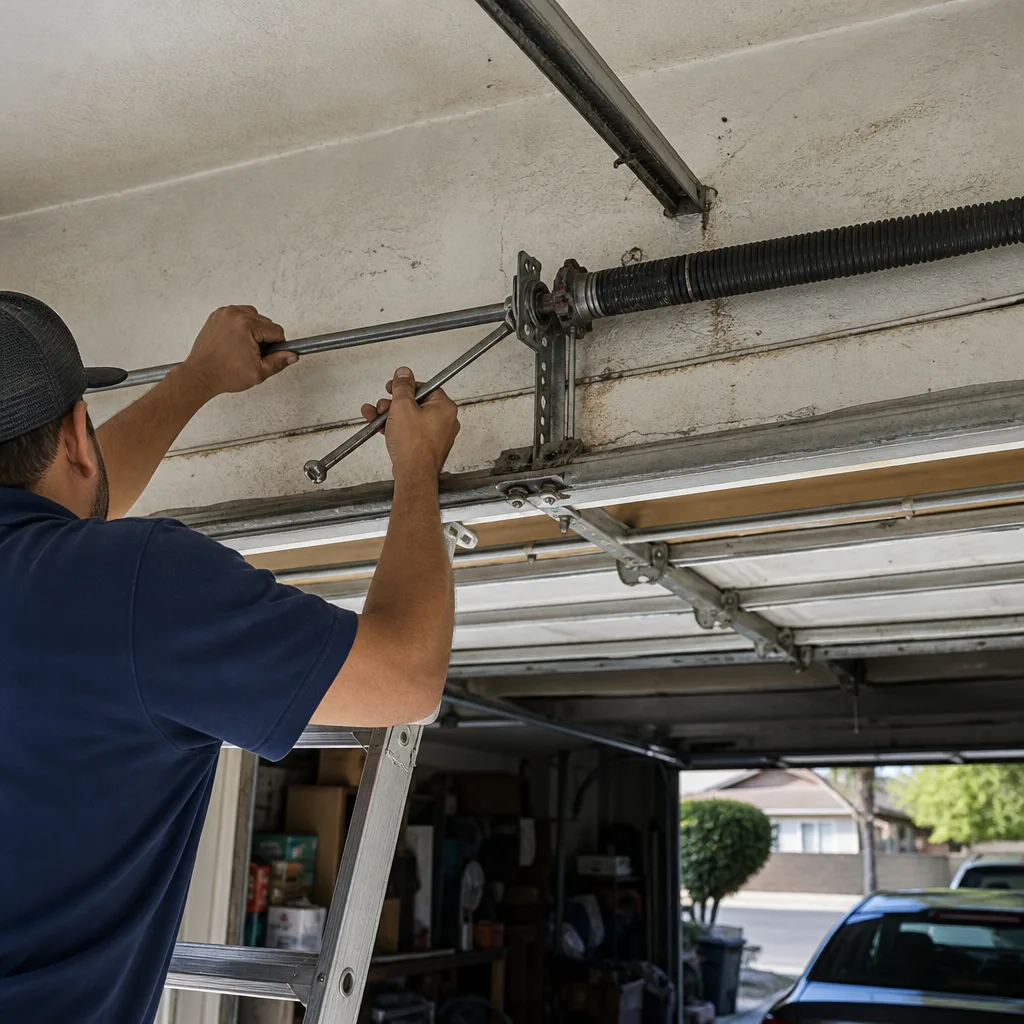 Before
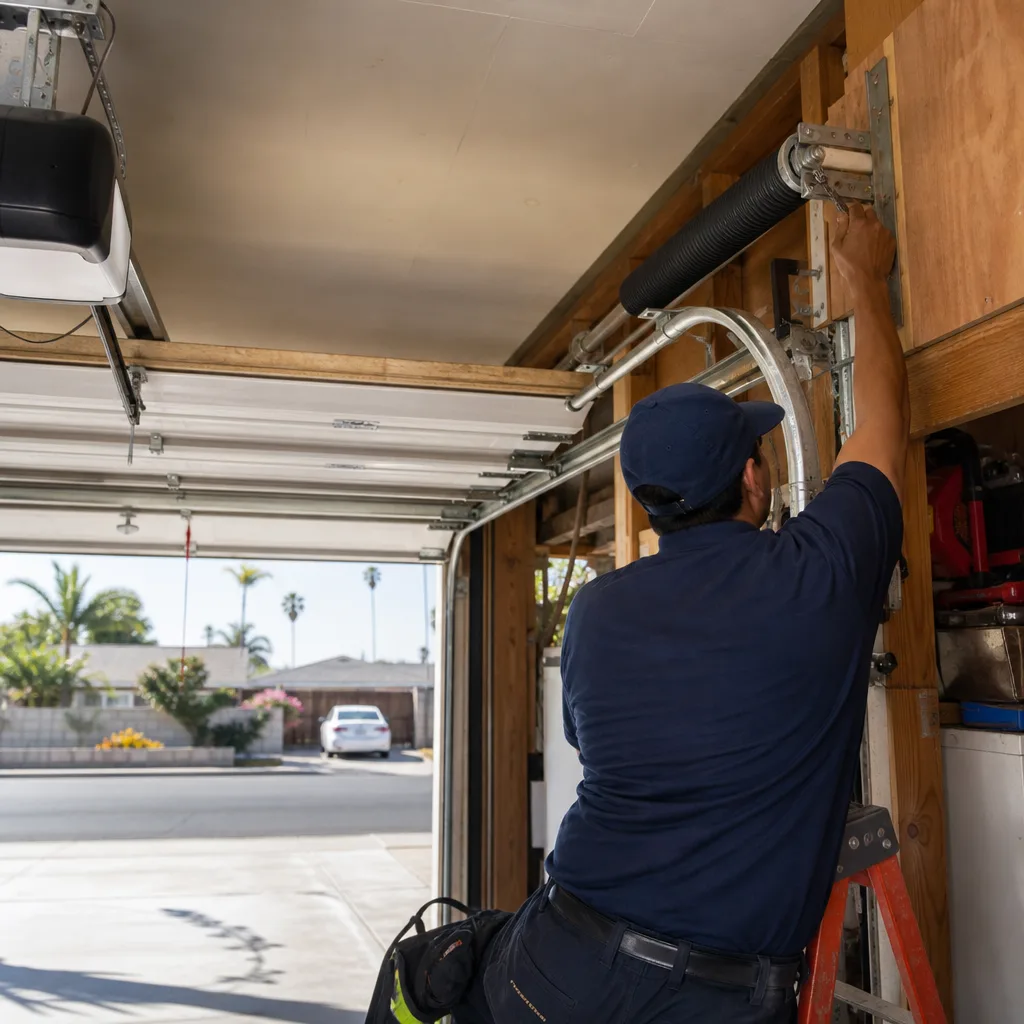 After
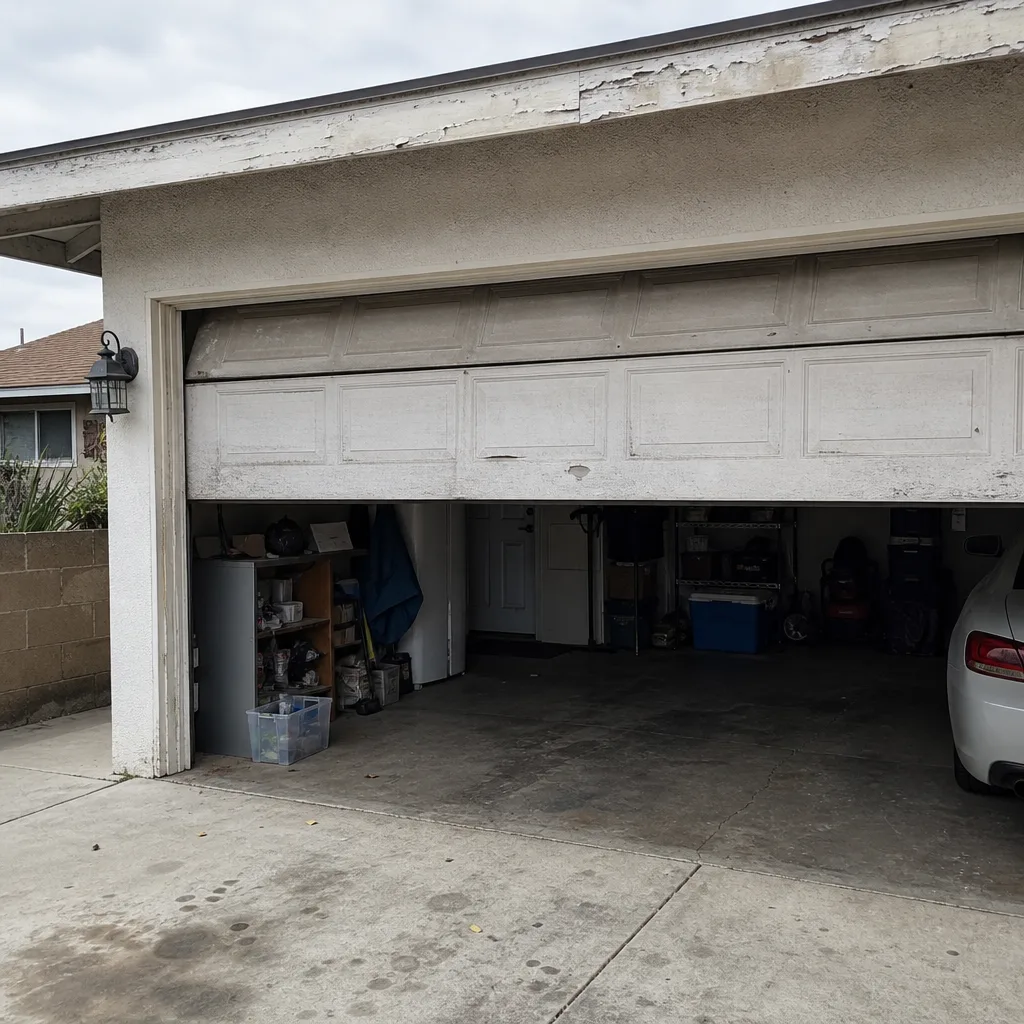 Before
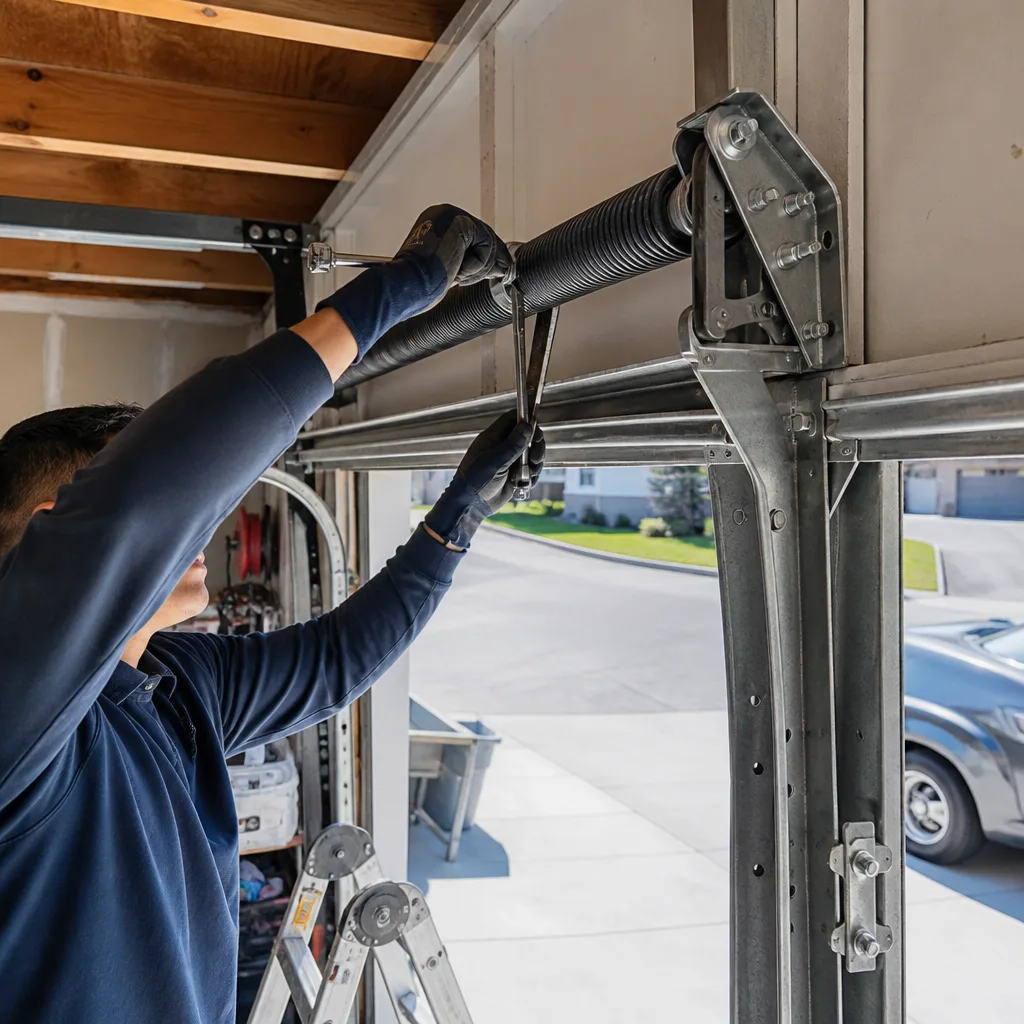 After
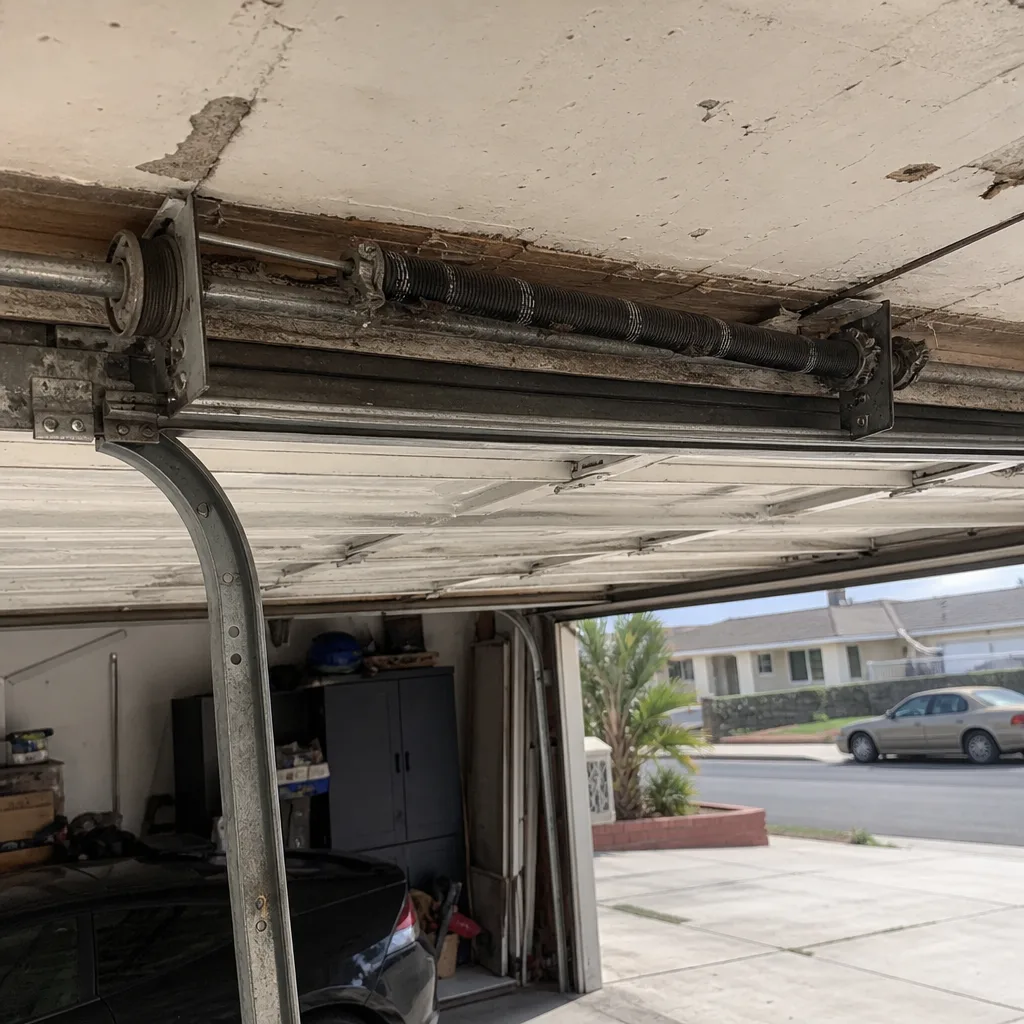 Before
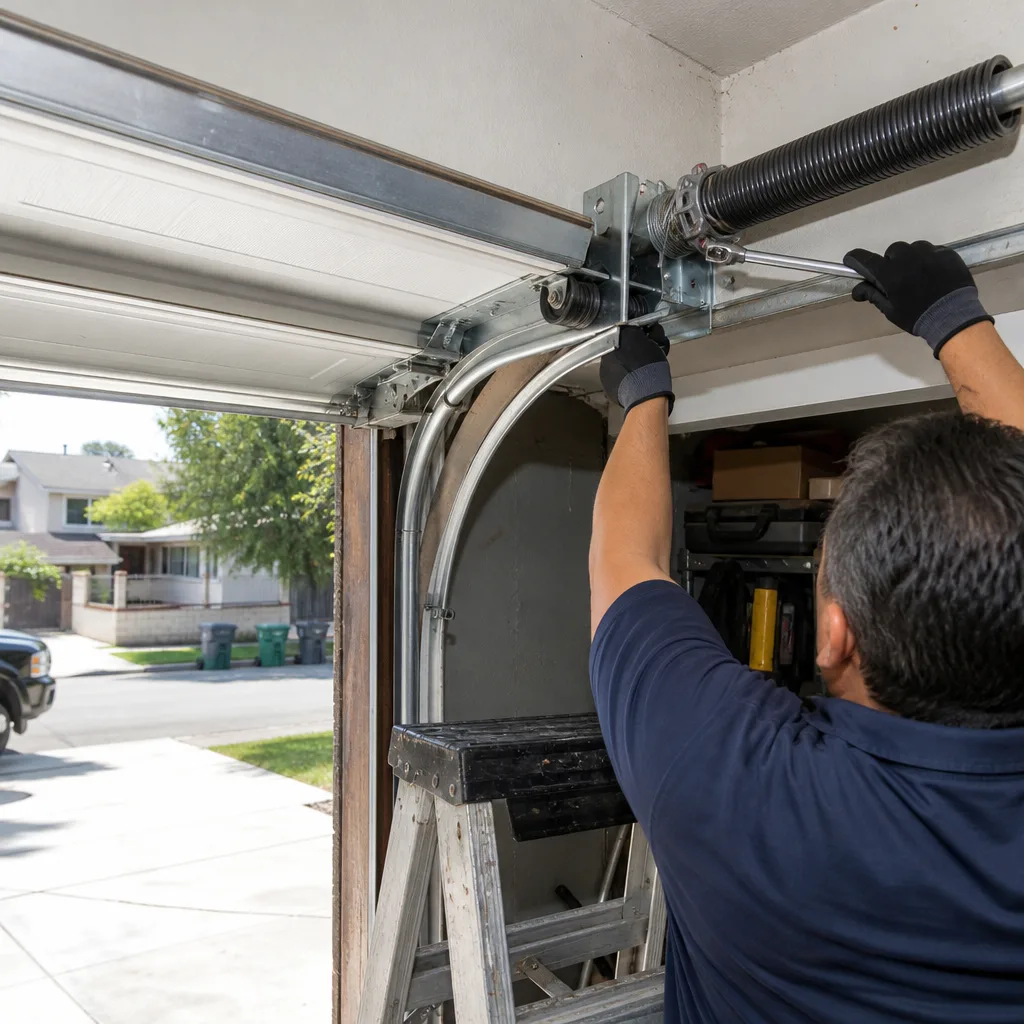 After