
Last updated November 2, 2026
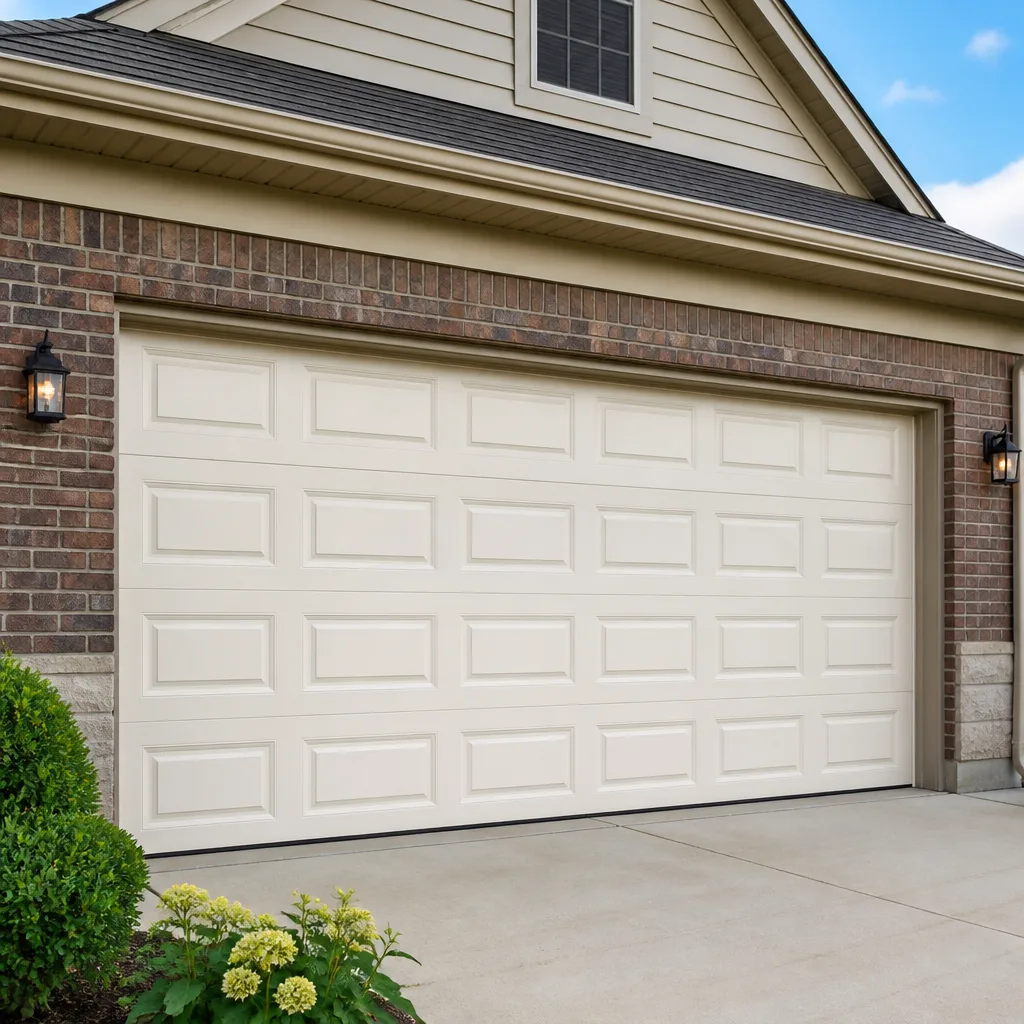 Raised-panel steel
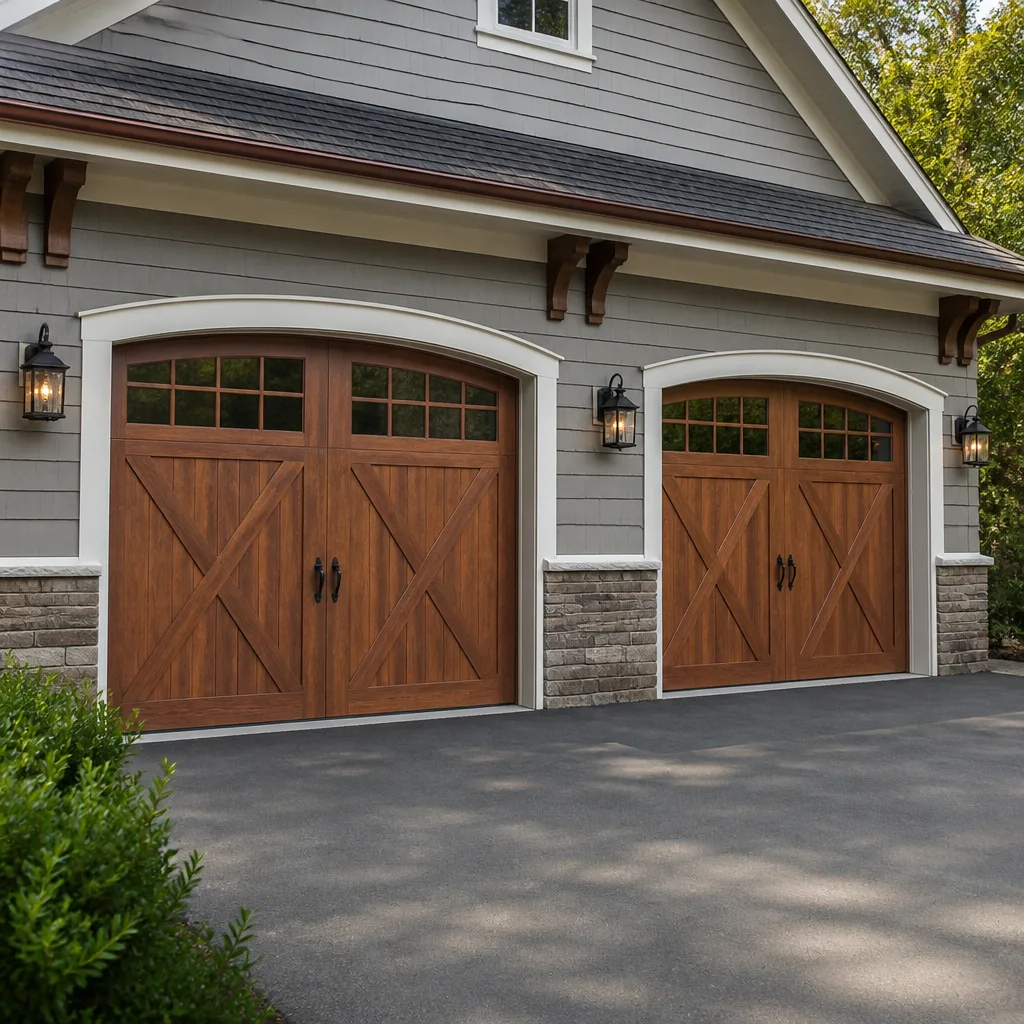 Carriage house
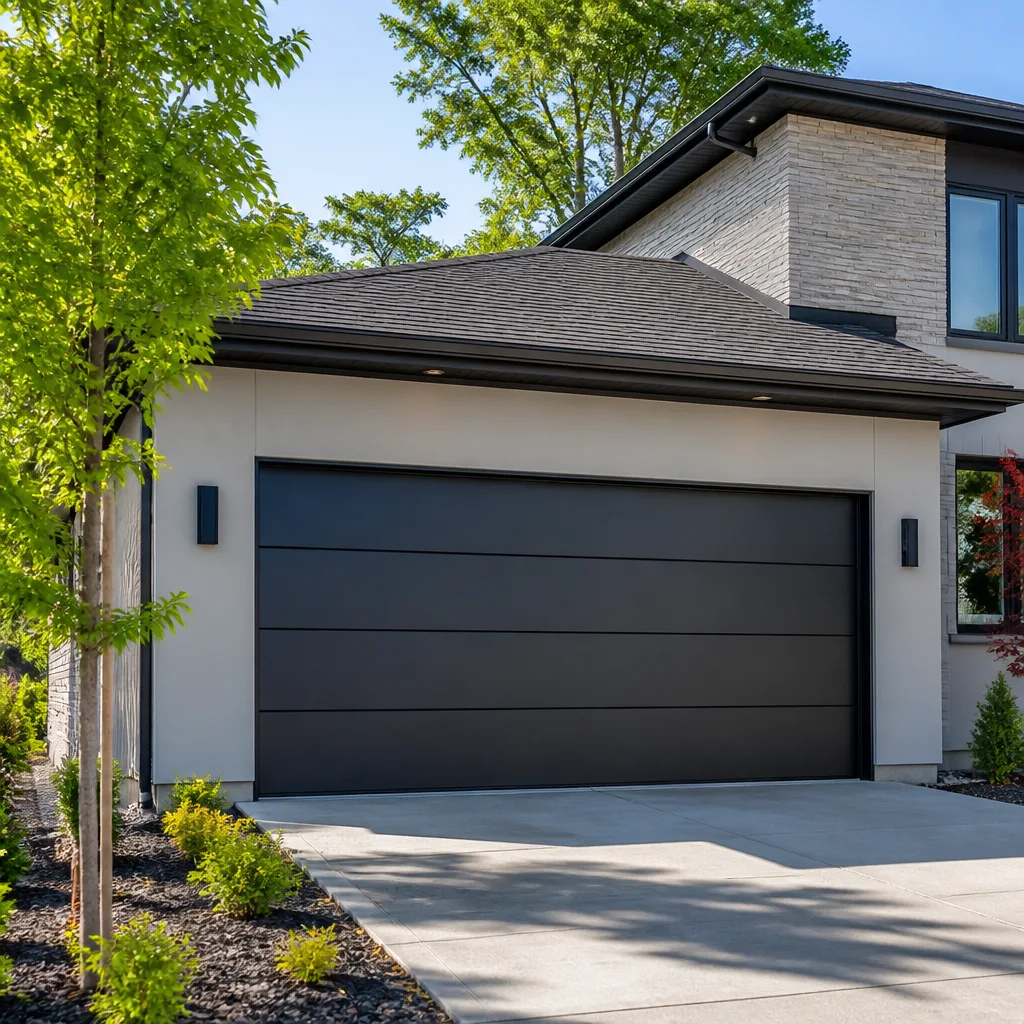 Modern flush
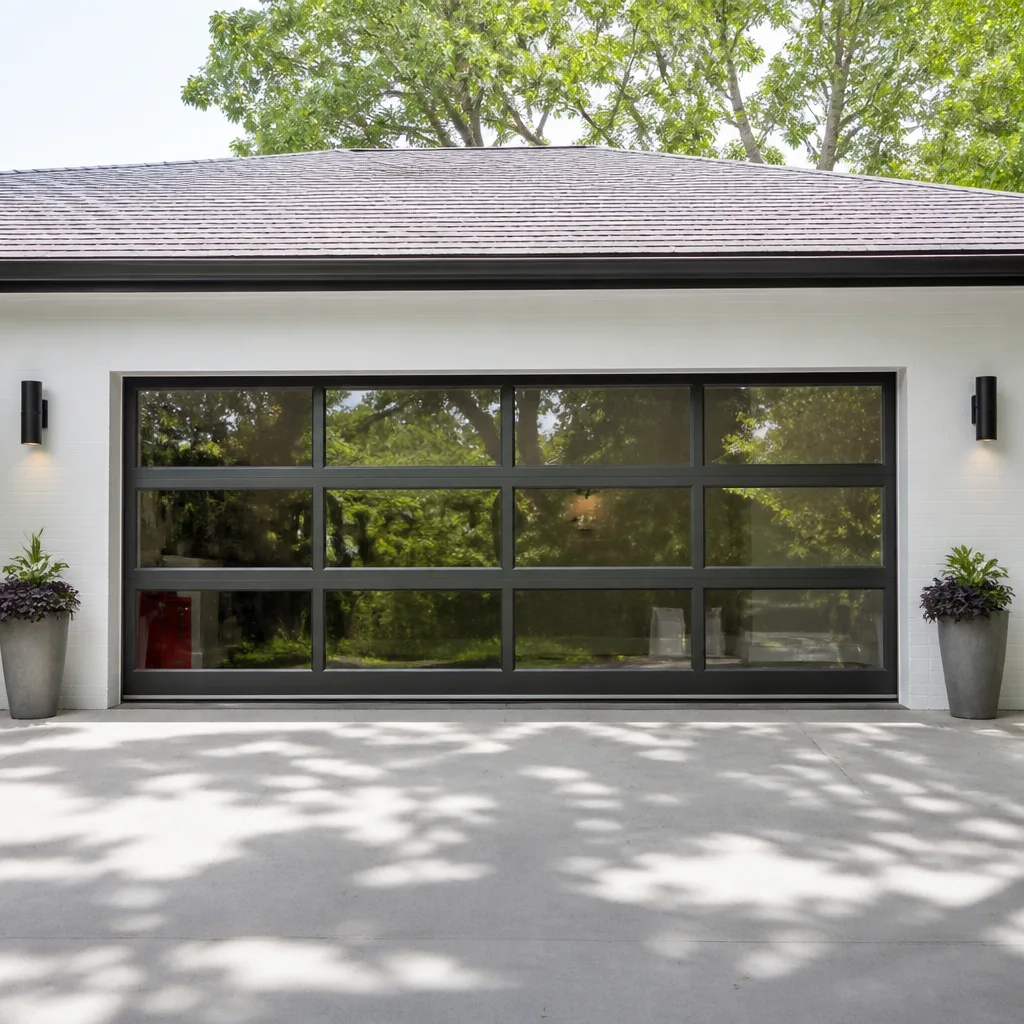 Full-view glass
 LiftMaster openers
 Chamberlain openers
Full 25-point door and opener safety check with every visit - springs, cables, rollers, tracks, and your LiftMaster or Chamberlain opener included
You get a price before we start. It does not change when the truck arrives.
Get your free estimateGarage Door Permits, Codes & Inspections in CA: What You Need to Know
California requires wind load compliance for garage doors in designated high-wind zones, and several Inglewood-area neighborhoods qualify, a fact that most installers never raise until an inspector does. That single oversight can turn a routine garage door replacement into a title defect, an insurance headache, or a failed resale inspection. This guide explains exactly when a permit is required, which California codes actually govern garage doors, what inspectors look for, and how to avoid the mistakes we see homeowners in Inglewood make every season. For Garage Door Warning Signs: An Inglewood Homeowner’s Reference Guide, see our companion resource.
Quick Answer
In California, a garage door replacement requires a building permit when it involves structural modifications, changes to the opening size, or installation in a designated high-wind zone where wind load compliance must be verified. In Inglewood, most full door replacements and new installations need a permit, while like-for-like panel swaps and minor hardware repairs generally do not. The permit triggers an inspection that checks wind load anchoring, Title 24 energy compliance where applicable, and seismic disconnect requirements for automatic openers.
Styles & brands we work with
- Raised-panel steel
- Carriage house
- Modern flush
- Full-view glass
- LiftMaster openers
- Chamberlain openers
Table of Contents
- When a Garage Door Permit Is Required in California
- Wind Load Compliance and Inglewood’s High-Wind Zones
- Title 24 Energy Code and Garage Doors
- Seismic Disconnect Requirements for Automatic Openers
- How Unpermitted Work Affects Insurance and Resale
- The Inspection Sequence: What Inspectors Actually Check
- The Step-by-Step Permit Process for Inglewood Homeowners
- Common Mistakes to Avoid
When a Garage Door Permit Is Required in California
The threshold most homeowners misunderstand is this: a permit is generally required when the work alters the building envelope or the structural connection between the door assembly and the home. That covers full door replacements where the frame, jambs, or header are modified, any change to the rough opening dimensions, and all new installations on existing or new construction. In Inglewood, the Building and Safety Division follows the California Residential Code (CRC), which incorporates the 2022 California Building Standards Code as amended by local ordinance.
What does not require a permit, in most cases:
- Panel replacement only – swapping out damaged door sections on an existing track system without altering the frame or opening.
- Spring replacement – torsion or extension spring swaps are routine repairs, not structural changes. That said, torsion springs carry enough stored energy to cause serious injury, and we recommend a trained technician handle any spring work rather than attempting it yourself.
- Opener replacement – installing a new garage door opener on an existing door does not trigger a permit, though the opener must comply with current safety standards including auto-reverse mechanisms and photo-eye sensors.
- Roller, hinge, and cable repairs – hardware-level fixes on an existing, operational door system.
- Weatherstripping and seal replacement – cosmetic and weather-barrier work that does not change the door’s structural function.
Where it gets tricky is the “repair vs. replacement” gray zone. If a door is so damaged that the installer must rebuild the jambs, replace the header, or re-anchor the track system, the job crosses into permitted territory even if the homeowner thinks of it as a repair. We have helped Inglewood homeowners sort through this distinction many times, and the safest approach is to call the Building Division directly with the specifics of your situation. They will give you a straight answer in about five minutes.
For homeowners in Inglewood planning a full garage door installation, assume a permit is needed unless you have written confirmation otherwise. The permit cost in Inglewood for a residential door replacement typically falls between $80 and $200 depending on project valuation, a small price compared to the consequences of skipping it, which we cover in detail below.
Wind Load Compliance and Inglewood’s High-Wind Zones
California Building Code Section R301.2.1 identifies wind speed zones for the entire state, and Inglewood sits in a region where wind design requirements apply to garage doors because of proximity to the coast and open terrain corridors. The effective design wind speed for much of Inglewood is 85 mph (3-second gust, Exposure B or C depending on neighborhood), which places many homes in the category where garage doors must meet wind load resistance standards rather than being treated as generic components.
What this means in practical terms: a garage door in a designated wind zone must be tested and labeled for the required design pressure rating. The door assembly, including tracks, brackets, and anchoring hardware, must resist both positive and negative wind pressure. Negative pressure is the one that catches people off guard: wind pulling the door outward as it passes over the roof, which can rip a non-compliant door clean out of its opening during a Santa Ana wind event.
Neighborhoods in Inglewood near open corridors, including areas north of Century Boulevard and pockets east of La Brea Avenue, tend to see higher effective wind exposure because of the flat, unobstructed terrain. Homes on corner lots or with west-facing garage doors also experience more direct wind loading. If your Inglewood home falls into any of these categories, the inspector will specifically verify that the installed door carries a wind load label matching the design requirements for your exposure category.
What the inspector checks:
- The door’s wind load label or documentation showing the tested design pressure rating.
- Anchor spacing and fastener type on the track mounting brackets.
- Reinforcement struts on the door sections where required by the manufacturer’s wind load specifications.
- Jamb and header construction, particularly whether the existing framing can support the wind load forces the new door will transfer to the structure.
We have seen installers from outside the area quote doors that are not rated for the wind speeds Inglewood actually experiences, because they default to a generic model without checking the exposure. That door will fail inspection, and the homeowner pays twice. When you get a quote, ask specifically whether the door is wind-load rated for your address, not just for “California in general.”
Title 24 Energy Code and Garage Doors
California’s Title 24 energy efficiency standards apply to garage doors in one specific, often overlooked scenario: when the garage is attached to conditioned living space and the door forms part of the building’s thermal envelope. A standard attached garage with an insulated ceiling and no heating or cooling supply is not conditioned space, so the garage door itself is not governed by Title 24 insulation requirements. But if the garage has been converted, partially finished, or is otherwise connected to the home’s HVAC system, the door must meet specific U-factor requirements under the 2022 Energy Code.
The 2022 Title 24 update tightened envelope requirements in most California climate zones. Inglewood falls within Climate Zone 6, where the prescriptive U-factor maximum for garage doors serving conditioned space is 0.35. That is a meaningful standard: a non-insulated steel door has a U-factor around 0.65 to 0.80, roughly twice the heat transfer allowed. An insulated door with a polystyrene or polyurethane core typically lands between 0.20 and 0.35, which meets the requirement.
What this means for Inglewood homeowners:
- If your garage is unconditioned and always has been, Title 24 does not require an insulated garage door, and the permit inspection will not check for one.
- If your garage has drywall, a finished ceiling, and any heating or cooling register, your replacement door likely needs to meet the U-factor requirement.
- If you plan to finish or condition your garage in the future, installing an insulated door now avoids a second purchase later.
- The U-factor must be documented on the product specification sheet, not claimed verbally. The inspector will ask for documentation if the garage is conditioned.
In our experience working on garage door repair projects across the region, very few homeowners know their garage’s conditioning status before starting a replacement. It is worth checking before you order a door: if the garage has a supply register connected to your central system, or if you heat the space with anything beyond a portable unit, treat it as conditioned and buy the compliant door.
Seismic Disconnect Requirements for Automatic Openers
California has specific requirements for garage door openers in seismically active regions, and this is one area where code compliance and real-world safety intersect in ways homeowners rarely consider. The California Residential Code requires that automatic garage door openers installed in Seismic Design Categories D0, D1, and D2, which includes all of Inglewood, incorporate a seismic disconnect mechanism. This device allows the door to be manually operated if the opener mechanism is compromised or if the door shifts out of alignment during an earthquake.
The practical version of this requirement: the emergency release handle, the red cord hanging from the opener rail, must be present, functional, and accessible. That red handle is not just a convenience feature for power outages. Under California code, it serves as the seismic disconnect point that allows quick manual operation when the automatic system fails or the track becomes misaligned. An opener installed without a functioning emergency release is a code violation and a genuine safety hazard in earthquake country.
What inspectors look for:
- The emergency release cord is present and connected to the release mechanism, not tied up or removed.
- The release works smoothly, allowing the door to be disengaged from the opener carriage and opened by hand.
- The opener’s auto-reverse feature functions correctly, reversing the door when it encounters resistance on the way down.
- Photo-eye sensors are mounted no higher than 6 inches above the floor and are connected and aligned.
We have encountered openers in Inglewood homes where the emergency release was zip-tied to the rail because it “kept getting in the way.” That is a failed inspection waiting to happen, and it defeats the entire purpose of the disconnect requirement. If your opener’s release cord is missing or damaged, it is a simple fix that takes a technician about ten minutes. If you are considering a new opener, models from LiftMaster and Chamberlain include well-designed emergency release mechanisms that meet California requirements out of the box, and we work with both brands regularly. For opener-specific guidance, see our page on garage door opener repair.
How Unpermitted Work Affects Insurance and Resale
The consequences of unpermitted garage door work do not surface when the door is installed. They surface when the homeowner files a claim or sells the property, which is precisely when people least expect them. This is the part of the conversation most installers skip, and it is the part that matters most.
Insurance claims. If a garage door fails during a wind event and causes property damage or injury, the insurance adjuster will ask whether the door was permitted and inspected. If it was not, the claim can be denied on the grounds that the door’s installation was never verified for code compliance. This is not hypothetical. Wind damage claims involving garage doors are among the most common in Southern California, and unpermitted work gives the carrier a simple, defensible reason to deny coverage. An unpermitted door that fails and damages a car, or worse, injures a person, creates liability that the homeowner carries personally.
Resale disclosures. California law requires sellers to disclose unpermitted work on the Transfer Disclosure Statement and the Seller Property Questionnaire. When a buyer’s inspector identifies a garage door that does not match the permit history, the sale can stall, the buyer can demand a retrofit with permits, or the price gets renegotiated downward. Title companies also review permit records during escrow. An unpermitted door that was installed years ago can become a title issue at the worst possible moment, right when the seller is trying to close.
Retroactive permits. It is possible to pull a permit retroactively, but it costs more, requires exposing the installation for inspection, and sometimes results in additional corrections if the original work does not meet current code. The retroactive permit process in Inglewood requires the same application and inspection sequence as a proper permit, plus the awkward conversation with the Building Division about why the work was done first.
The takeaway: the $100 to $200 permit cost is the cheapest insurance you will ever buy for a garage door in Inglewood.
The Inspection Sequence: What Inspectors Actually Check
Knowing what an inspector will check before the inspection happens is the difference between passing on the first visit and paying for a second trip. Here is the sequence for a permitted garage door replacement in Inglewood, based on what we have observed across dozens of permitted installations:
- Footing and header verification. For new doors or openings that were modified, the inspector checks that the header spans the opening properly and that the jamb construction meets the structural requirements for the door’s weight and wind load rating.
- Wind load documentation. The inspector verifies the door’s design pressure rating against the requirements for the home’s exposure category. This means having the manufacturer’s wind load documentation on site, typically affixed to the door or provided in the paperwork.
- Anchoring and fastening. Track brackets, mounting plates, and anchor bolts are checked for proper spacing, fastener type, and embedment. Undersized lag screws into weak framing are one of the most common correction items.
- Safety sensor placement. Photo-eye sensors must be mounted no more than 6 inches above the garage floor and must be wired so the door cannot close if the beam is interrupted.
- Auto-reverse function. The opener must reverse direction when it contacts a 2×4 laid flat on the floor during closing. This is tested on site, not assumed.
- Emergency release accessibility. The seismic disconnect release must be present and functional, as covered in the section above.
- Final operation verification. The door is cycled fully open and closed to confirm balanced operation, proper travel limits, and quiet, smooth movement on the track.
Most failed inspections in Inglewood come down to three things: missing wind load documentation, undersized anchoring into deteriorated framing, or a photo-eye sensor mounted too high. All three are preventable with a competent installer who has done permitted work in the city before. See our Garage Door Repair Troubleshooting: Common Problems and How to Fix Them for additional guidance.
The Step-by-Step Permit Process for Inglewood Homeowners
If you are planning a permitted garage door installation in Inglewood, here is the process from start to finish. The city’s Building and Safety Division processes residential door permits through both in-person and online submission depending on the project scope.
- Determine if your project needs a permit. Use the guidance in the first section of this guide. When in doubt, call the Building and Safety Division and describe the work. A five-minute call prevents a months-long problem.
- Gather project documentation. You will need the door manufacturer’s specifications, including the wind load rating, the U-factor if the garage is conditioned, and the installation details. A professional installer will provide this as part of the quote.
- Submit the permit application. In Inglewood, residential door permits are typically processed as “express permits” for straightforward replacements, which means plan review is minimal and turnaround is fast, often same-day or next-day.
- Pay the permit fee. Expect $80 to $200 depending on the declared project valuation. The fee schedule is published on the city’s website.
- Complete the installation. The work proceeds after the permit is issued. The installer must keep the permit card posted on site during work.
- Schedule the inspection. Call or book online with the Building Division once the installation is complete. Inspections in Inglewood are typically scheduled within 48 hours of request.
- Pass the inspection and close the permit. The inspector completes the checks listed above. If corrections are required, they are noted, corrected, and re-inspected. Once approved, the permit is finalized and becomes part of the property’s permanent record.
The entire process for a straightforward replacement takes one to two weeks from application to final sign-off in Inglewood. It is not burdensome when handled correctly, but it does require a contractor who understands the sequence and prepares the documentation before the inspector arrives.
Common Mistakes to Avoid
- Skipping the permit on a full replacement because “it’s just a door.” A full replacement alters the building envelope and requires a permit in Inglewood. The savings evaporate when the retroactive permit costs more than the original would have.
- Buying a door without verifying wind load compliance. Not every door sold in California is rated for Inglewood’s wind speeds. A non-compliant door fails inspection and must be replaced, turning a simple job into two jobs.
- Installing an opener without a functional emergency release. The seismic disconnect requirement exists for earthquake response. An opener with a tied-up or missing release cord is a code violation and a real safety hazard.
- Assuming Title 24 does not apply because “the garage is separate.” If the garage shares a wall with the house or has any conditioned connection, the door’s U-factor matters. Check before you buy.
- Hiring an installer with no local permit experience. Out-of-area installers who do not know Inglewood’s inspection process often miss the wind load documentation or the photo-eye height requirement, and the homeowner pays for the re-inspection.
- Mounting photo-eye sensors above 6 inches. This is the single most common correction item, and it is trivially avoidable. The sensors belong near the floor, not at knee height.
- Treating the emergency release as optional hardware. The red cord is code-required in California seismic zones. Do not let anyone tell you it is an extra.
When to Call a Professional
If your garage door project involves a full replacement, a new opening, or any work that requires a permit, use a contractor who does permitted garage door installations in Inglewood as a regular part of their business, not as an unfamiliar add-on. The documentation, the wind load verification, and the inspection prep are all part of the job, and a specialist handles them without drama. If you are unsure whether your existing door meets current wind load requirements, or if your opener’s emergency release is missing or non-functional, a professional assessment takes under an hour. We also recommend our Garage Door Repair Maintenance Checklist for Inglewood Homeowners to stay ahead of issues. Whitestone Garage Door Service offers free estimates in Inglewood, call (866) 753-8675 and we will tell you exactly what your project needs, including the permit path.
Frequently Asked Questions
Yes, in most cases a full garage door replacement in California requires a building permit because the door is part of the building envelope and must meet wind load and structural requirements. Panel-only replacements and minor hardware repairs typically do not require a permit. Call the Inglewood Building and Safety Division to confirm for your specific project, or call us at (866) 753-8675 and we will help you determine the right path.
The required rating depends on your home’s exposure category and specific location within Inglewood, but most residential doors must be tested and labeled for a design wind speed of at least 85 mph with the appropriate exposure classification. Corner lots, west-facing doors, and homes in open terrain corridors may require higher ratings. A qualified installer can determine the exact requirement for your address before ordering the door.
Title 24 requires an insulated garage door only when the garage is conditioned living space connected to the home’s HVAC system. A standard unconditioned attached garage does not trigger the insulation requirement. In Inglewood’s Climate Zone 6, conditioned garages require a door with a U-factor of 0.35 or lower, which means a door with polystyrene or polyurethane insulation.
California law requires you to disclose unpermitted work on the Transfer Disclosure Statement, and a buyer’s inspector will likely identify the unpermitted door during the inspection process. This can stall the sale, trigger a retroactive permit requirement, or reduce the sale price. In some cases, title companies flag the discrepancy during escrow, creating a closing delay.
It may not. If a wind event damages an unpermitted garage door and the failure causes property damage or injury, the insurance adjuster can deny the claim on the basis that the installation was never code-verified. The permit and inspection create a record that protects you in exactly this scenario.
A straightforward residential door replacement permit in Inglewood is typically processed as an express permit with same-day or next-day issuance. The complete process from application to final inspection usually takes one to two weeks, including the post-installation inspection. Call us at (866) 753-8675 for an exact timeline based on your project.
The Bottom Line
California garage door permits are not bureaucratic friction. They are the mechanism that verifies wind load compliance, seismic safety, and energy code alignment before a failure becomes a claim. In Inglewood, where wind zones and seismic requirements intersect, the consequences of skipping the permit process fall on the homeowner through denied insurance claims and resale complications. The permit costs less than $200 in most cases, takes one to two weeks from start to finish, and leaves you with a documented, inspected installation that holds up. For homeowners who want the work done correctly the first time, with the documentation ready before the inspector arrives, the right installer makes the difference. Explore more guides & resources on our blog.
Written by the team at Whitestone Garage Door Service, serving Inglewood since 2018.
See the difference
 Before
 After
 Before
 After
 Before
 After