
Last updated November 2, 2026
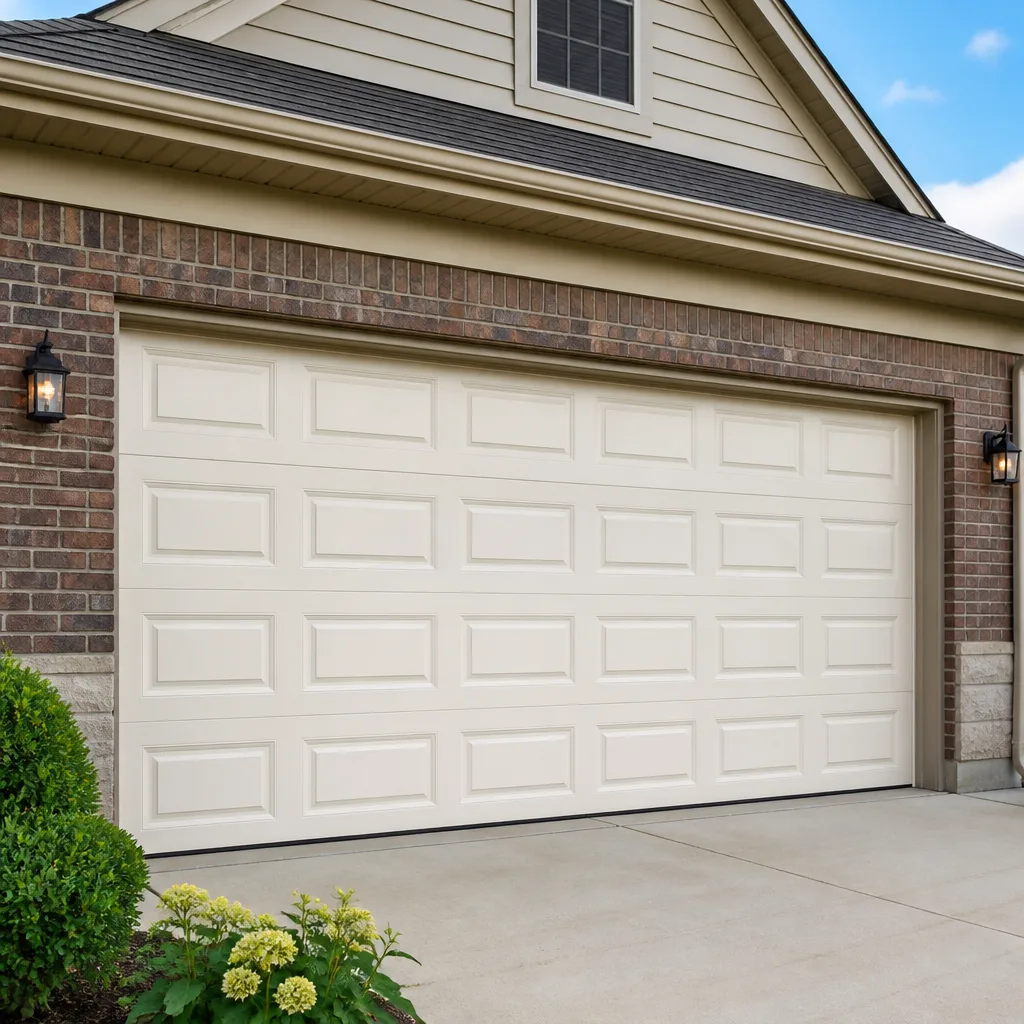 Raised-panel steel
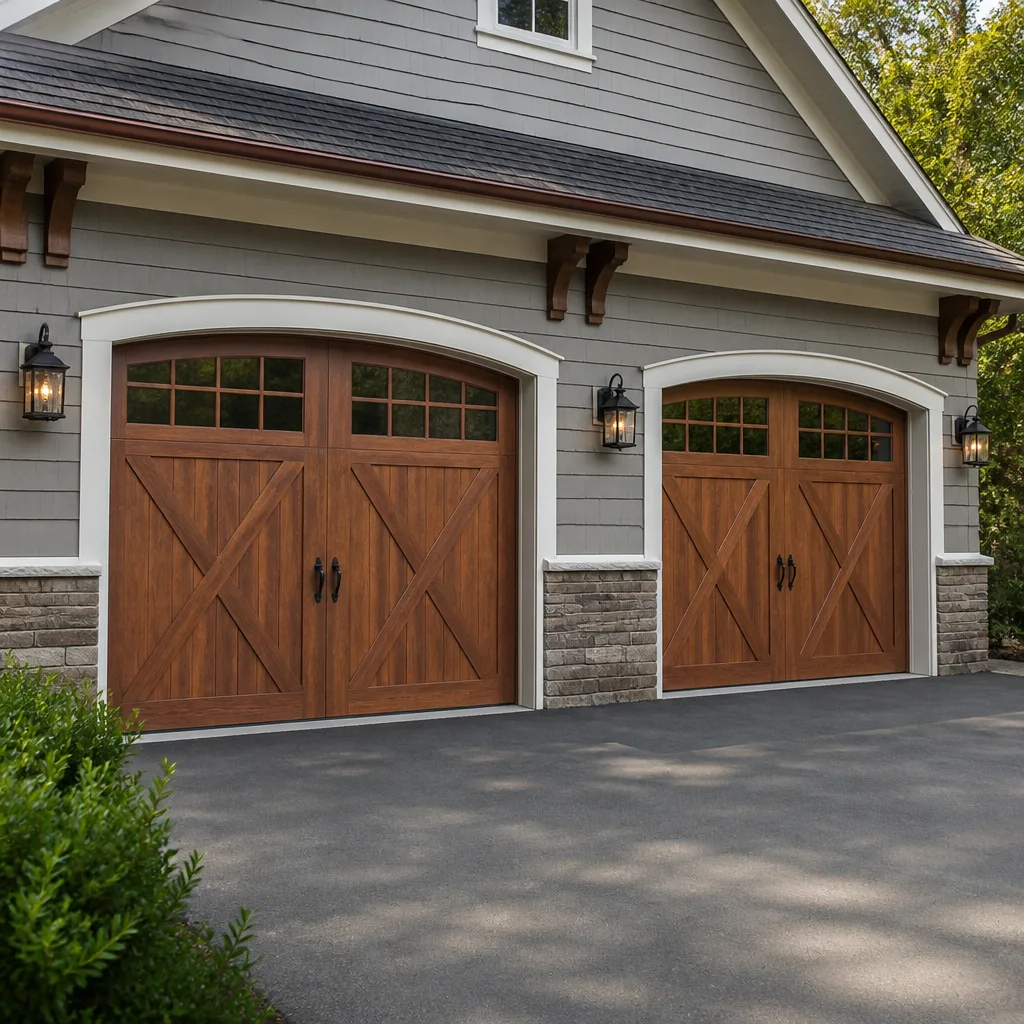 Carriage house
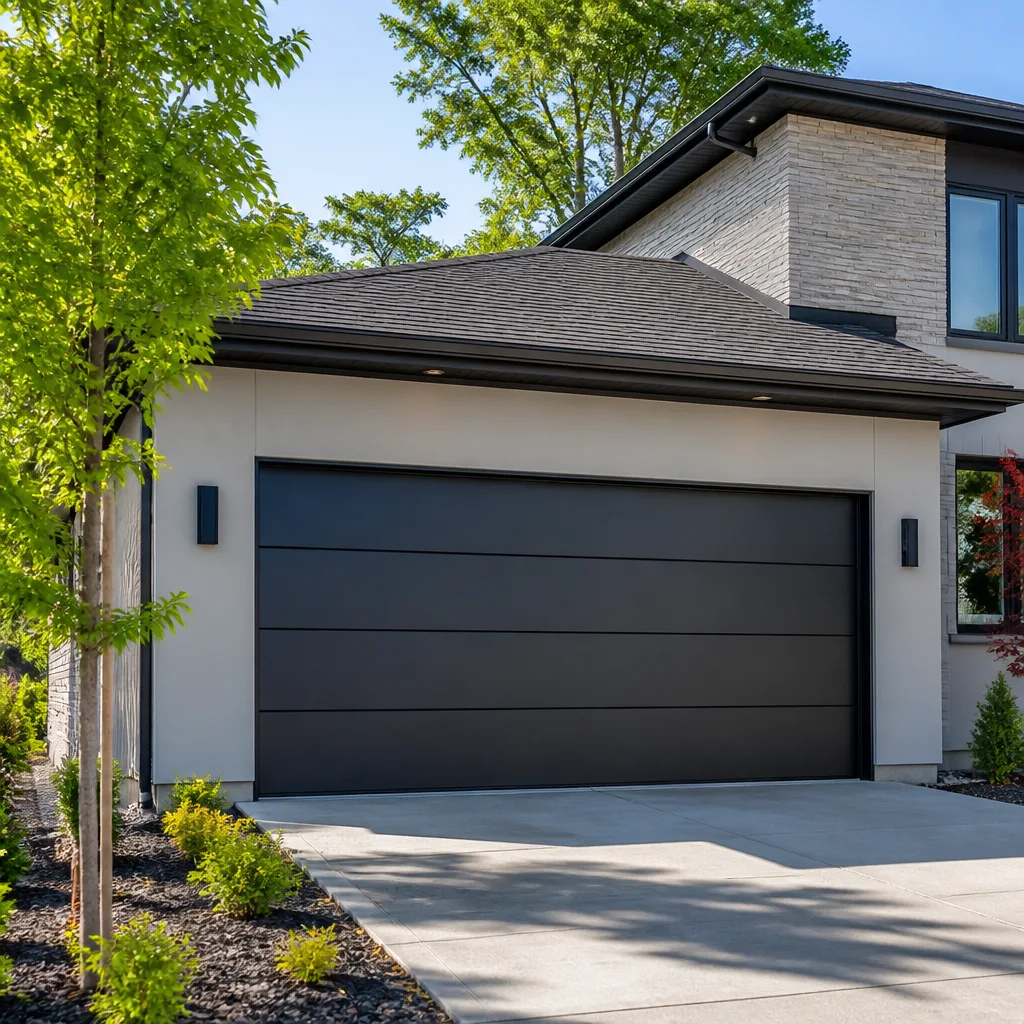 Modern flush
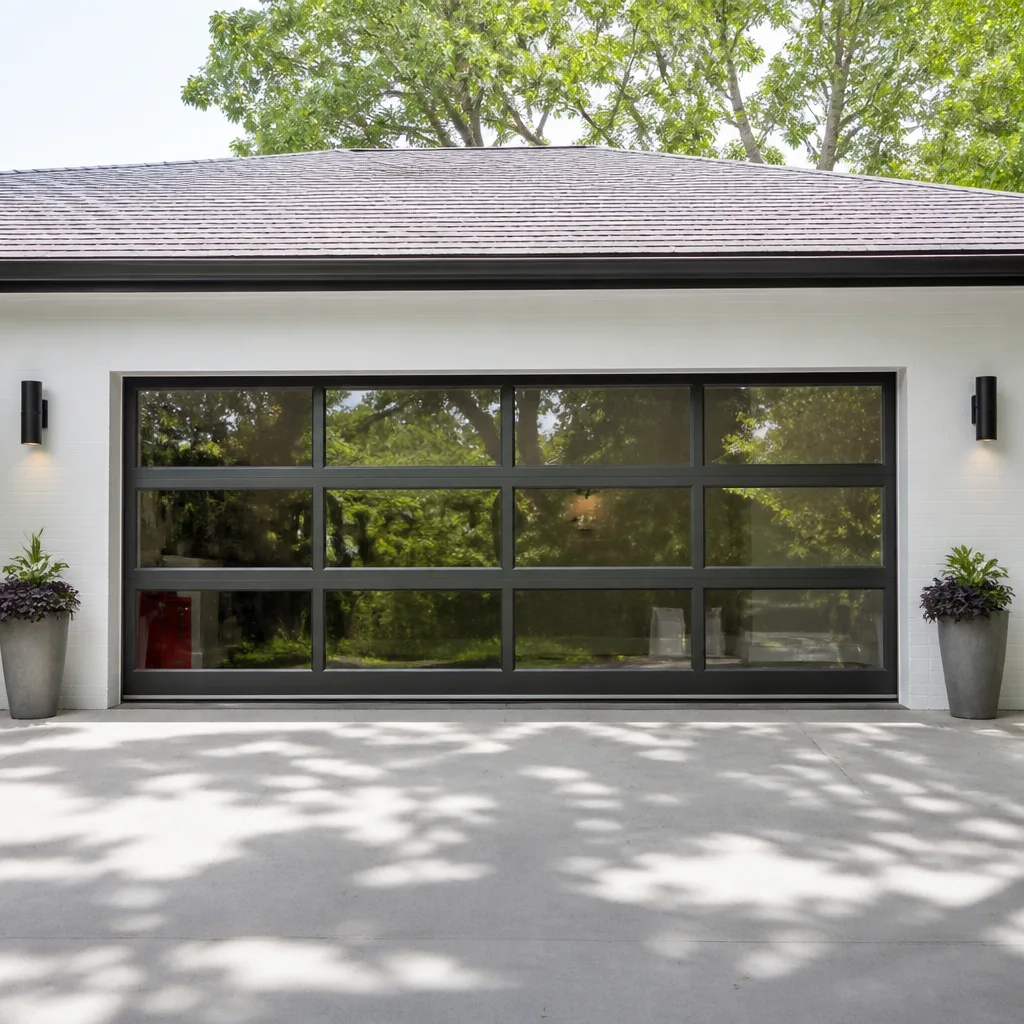 Full-view glass
 LiftMaster openers
 Chamberlain openers
Full 25-point door and opener safety check with every visit - springs, cables, rollers, tracks, and your LiftMaster or Chamberlain opener included
You get a price before we start. It does not change when the truck arrives.
Get your free estimateGarage Door Emergency Preparedness Guide for Inglewood Homes
After the Northridge earthquake, one of the most common access failures reported by Inglewood homeowners wasn’t collapsed walls or shattered windows. It was garage doors that looked perfectly fine but wouldn’t budge. Ground movement had thrown the tracks out of alignment by less than half an inch, jamming the rollers without leaving a single visible mark on the door itself. That’s the thing about garage doors in a seismic zone: the failure you can’t see is the one that traps your car in the garage when you need it most. This guide covers what Inglewood homeowners need to know before the next emergency, from manual release procedures to battery backup decisions, so your garage door never becomes the reason you can’t evacuate or secure your home. For Garage Door Repair Troubleshooting: Common Problems and How to Fix Them, see our dedicated resource.
Quick Answer
Garage door emergency preparedness in Inglewood means knowing three things: how to manually disengage and operate your door during a power outage, what to inspect after an earthquake before trying to use the door, and whether a battery backup opener makes sense for your home. Most homeowners have never practiced the manual release sequence, and that’s the single most common reason a garage door becomes a liability during an emergency. A few minutes of preparation and the right emergency kit can keep your vehicles accessible and your home secure when Inglewood’s overlapping hazard zones, seismic, high-wind, and wildfire smoke, create conditions that stress garage door systems.
Styles & brands we work with
- Raised-panel steel
- Carriage house
- Modern flush
- Full-view glass
- LiftMaster openers
- Chamberlain openers
Table of Contents
- How to Manually Operate Your Garage Door During a Power Outage
- Post-Earthquake Inspection Protocol for Inglewood Homes
- Emergency Release Cord Security: The Vulnerability Most Homeowners Miss
- Battery Backup Openers: What They Do, What They Don’t, and Whether Inglewood Warrants One
- Building a Garage Door Emergency Kit: Tools and Spare Parts Worth Having
- Wildfire Smoke and High-Wind Considerations for Garage Doors
- Common Mistakes to Avoid
- When to Call a Professional
- Frequently Asked Questions
How to Manually Operate Your Garage Door During a Power Outage
Every automatic garage door opener installed since the early 1990s has a manual release mechanism, usually a red cord hanging from the trolley. Pulling that cord disengages the opener from the door, letting you raise and lower it by hand. The problem is that most Inglewood homeowners have never done it, and an emergency at 6 a.m. during a blackout isn’t the time to learn. The sequence is simple once you’ve practiced it once or twice:
- Confirm the door is fully closed. If the door is partially open when power fails, do not pull the release cord. The door could slam down under its own weight, and garage door sections are heavy enough to cause serious injury.
- Pull the red emergency release cord straight down and toward the door. You’ll hear a click as the trolley disengages from the opener carriage.
- Lift the door manually. Most residential doors weigh between 130 and 350 pounds depending on size and material. A properly balanced door should lift smoothly with one hand. If it feels heavy or won’t stay up on its own, the torsion springs may be worn, and the door should not be operated until a professional inspects it.
- Raise the door fully and place locking pliers or a vise grip on the track just below a roller to hold it open if you need to keep it open for an extended period. This prevents the door from drifting down.
- To re-engage the opener once power returns: pull the release cord again, then press the wall button or remote. The trolley will re-connect automatically on the next cycle in most modern openers.
One thing worth flagging: if you have a Genie or Chamberlain opener with a motion-detection feature or smart-home integration, the manual release works the same way, but the re-engagement sequence may require you to run a full cycle before the opener recognizes the door position again. We’ve walked Inglewood homeowners through this over the phone more times than we can count, and it’s almost always the same story: nobody showed them how to do it when the opener was installed. If you don’t know your opener brand offhand, check the motor housing. It’s printed on the label, and knowing it makes troubleshooting calls go much faster. For a broader look at upkeep, see our Garage Door Repair Maintenance Checklist for Inglewood Homeowners.
For a deeper look at how openers work and what can go wrong during power fluctuations, our Garage Door Opener Repair in Santa Monica guide covers common failure points and when a surge protector for your opener is worth installing.
Post-Earthquake Inspection Protocol for Inglewood Homes
Inglewood sits close enough to the Newport-Inglewood fault that even a moderate event can create enough ground acceleration to shift unsecured garage door tracks. Before starting any project, check our guide to Garage Door Permits, Codes & Inspections in CA: What You Need to Know. The doors that failed after Northridge weren’t damaged by falling debris. They were knocked out of alignment by lateral movement, and the misalignment was invisible until someone tried to open the door. Here’s the inspection sequence we recommend before touching the opener button after any seismic event you could feel in Inglewood:
- Visual sweep from the outside. Look at the gap between the door sections and the frame. Is it even on both sides? A quarter-inch difference that wasn’t there before means the track has shifted. Look at the floor where the door meets the concrete. New gaps or scrapes indicate the door isn’t seating correctly.
- Check the vertical tracks. The tracks bolted to the wall on either side of the door should be plumb. If you have a level, use it. If not, eyeball it. Any visible inward or outward lean is a red flag. Bent tracks are obvious. Slightly shifted tracks are the dangerous ones because the door may still operate, grind the rollers down, and fail later when the door is overhead.
- Inspect the horizontal tracks and hangers where the track runs back into the garage ceiling. The perforated angle brackets that hold these tracks can twist under lateral load. If a hanger looks strained or the track has pulled away from the ceiling, do not operate the door.
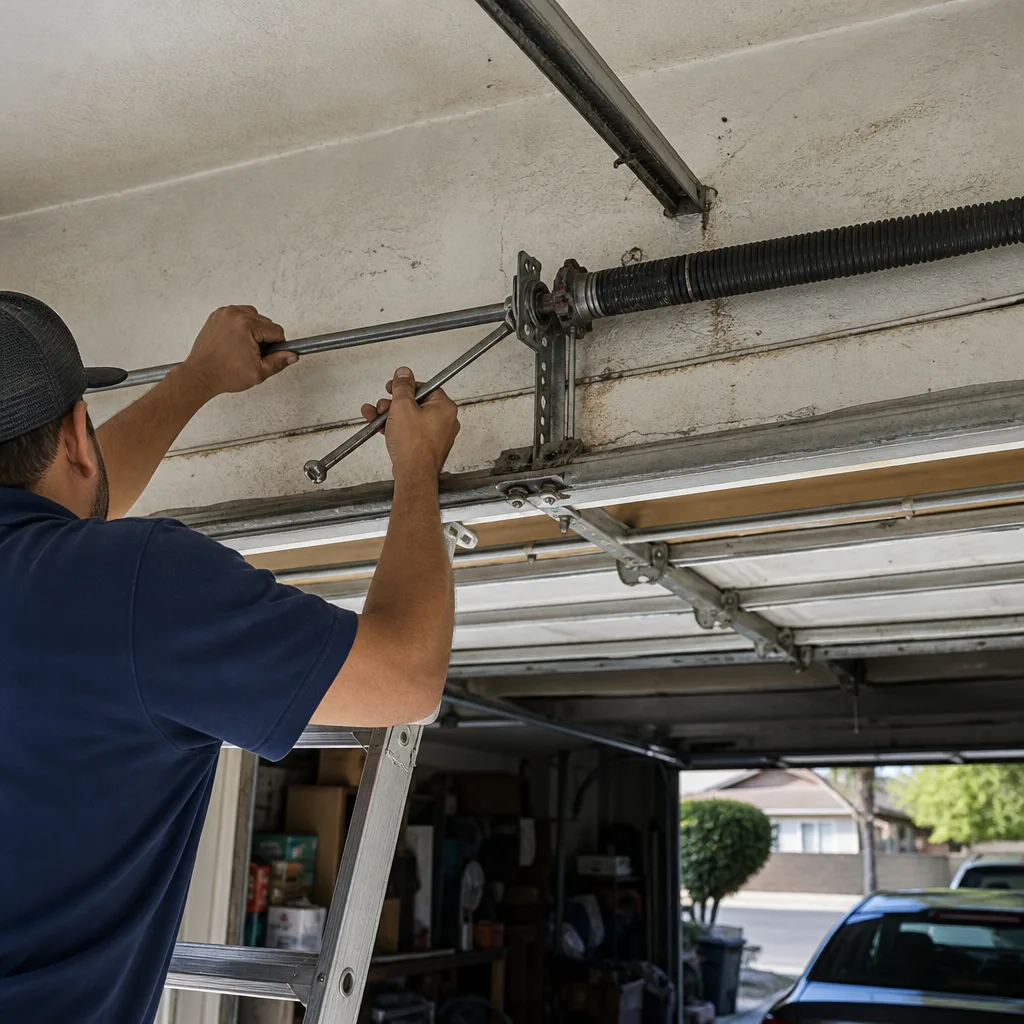
- Examine the torsion spring above the closed door. Look for gaps in the spring coils, any visible separation, or a spring that appears to have unwound. A broken torsion spring is a loud, obvious event, but a partially unwound spring can be subtle. The door may open briefly and then stop, or it may feel unusually heavy when operated manually.
- Test the door manually once. Pull the emergency release and try lifting the door by hand. It should feel balanced and move smoothly through its full travel. If it binds, scrapes, or hesitates at any point, close it back down and call a professional before using the opener.
This protocol takes about five minutes. The payoff is that it catches alignment problems before they become a seized door at the worst possible time. In Inglewood’s soil conditions, which include a mix of alluvial deposits and older fill in some neighborhoods, even minor seismic events can cause differential settling that shifts a garage slab enough to throw off door alignment. Homes in the Morningside Park and Century Heights areas with older foundations are particularly prone to this.
Emergency Release Cord Security: The Vulnerability Most Homeowners Miss
The same emergency release cord that lets you open your garage door during a power outage is also the most common entry point for garage break-ins across Inglewood. A burglar with a coat hanger can reach through the gap at the top of the garage door, hook the release cord, and pull it in under five seconds. Once the door is disengaged from the opener, they can lift it manually and walk in. The vulnerability exists on nearly every residential garage door installed before roughly 2015, and plenty of newer installations still have it.
The fix doesn’t require replacing your opener. In fact, on most Chamberlain, LiftMaster, and Genie openers, you can address the vulnerability in under an hour with a zip tie or a commercially available release cord shield. Here’s what actually works:
- Zip-tie method: Thread a standard zip tie through the release handle and around the trolley assembly, then snug it down. The zip tie holds the release cord against the mechanism so a coat hanger can’t hook it, but a firm downward pull from inside the garage still activates the release. This costs about 10 cents and takes five minutes.
- Release cord shields: A small plastic or metal shield that covers the release mechanism on the opener rail. These are available for most major brands and prevent any access to the cord from outside. Installation usually requires two screws and a drill.
- Disable the release cord temporarily: For homeowners who use the garage for storage and rarely park inside, removing or shortening the release cord eliminates the vulnerability entirely. Keep the cord in a labeled drawer near the interior garage door so it’s available when needed.
One important caveat: do not disable or modify the release mechanism in a way that prevents you from disengaging the door during an actual emergency. The manual release is a safety feature first and a security liability second. The goal is to make it inaccessible to someone outside while keeping it functional for someone inside. If your garage has windows, which many older Inglewood homes do, also confirm that the release cord can’t be reached by breaking a window pane.
If you’re replacing an older opener, this is one area where working with a specialist who knows garage door systems, not a general handyman, pays off. The full-service approach at Whitestone Garage Door Service includes identifying these vulnerabilities during routine repair calls and addressing them as part of the job, not as an add-on.
Battery Backup Openers: What They Do, What They Don’t, and Whether Inglewood Warrants One
A battery backup opener does exactly one thing: it powers your garage door opener when the electrical grid is down. It does not make your door lighter, it does not bypass a broken spring, and it does not operate the door if the track is misaligned. That distinction matters because homeowners sometimes assume a battery backup is a universal emergency solution. It isn’t. What it is, is a way to operate your door normally for roughly 20 to 50 cycles, depending on the battery, when Inglewood’s power fails.
Given Inglewood’s hazard profile, here’s how to think about whether a battery backup is worth the investment for your home:
- High-wind events: Santa Ana wind events have knocked out power to pockets of Inglewood for 12 to 36 hours at a time. If you park in your garage and need to leave during an outage, a battery backup means you don’t have to manually lift a heavy door, which matters if you have a physical limitation or a steep driveway approach.
- Earthquake scenarios: After a major seismic event, power restoration in the Inglewood area could take days or weeks depending on infrastructure damage. A battery backup gives you normal door operation for the first days after the event, which is when you’re most likely to need vehicle access for evacuation, supplies, or medical appointments.
- Wildfire smoke conditions: While smoke itself doesn’t knock out power, preemptive public safety power shutoffs have occurred in parts of Los Angeles County during high-fire-risk conditions. Inglewood is not in the highest-risk zone for these shutoffs, but surrounding infrastructure failures can and do affect local circuits.
- Who doesn’t need one: If your garage is a workshop you rarely park in, if the door is easy to lift manually, and if you’re comfortable using the manual release, a battery backup is a convenience, not a necessity. The manual release works every time, no battery required.
- A working flashlight with fresh batteries. The manual release cord is easy to find in daylight and hard to locate in a dark garage during a nighttime outage. A headlamp is even better because it leaves both hands free.
- Locking pliers (vise grips). Used to clamp the track and hold the door open if you need to keep it raised during a prolonged outage. This is a $12 item that solves a real problem.
- A spare emergency release cord. These are universal and inexpensive. If your cord breaks during a manual operation, which does happen on older openers, you can replace it in minutes if you have one on hand.
- The owner’s manual for your opener. Store it in a zippered plastic bag. It contains the model number, troubleshooting steps, and re-engagement instructions specific to your unit. If you don’t have a paper manual, print the PDF from the manufacturer’s site.
- A tube of silicone-based garage door lubricant. Not for emergencies per se, but if you’re operating the door manually for days, a dry track or roller makes the door harder to lift. A quick spray reduces strain and wear.
- A notebook with your garage door service provider’s phone number. In a prolonged emergency, cell service can be spotty. Having the number written down, not just saved in a phone, means someone in the household can make the call even if your phone is dead.
- Heavy-duty work gloves. Door edges, track brackets, and hardware can be sharp. When you’re pulling a door manually under stress, gloves prevent cuts that become a bigger problem when medical care is hard to access.
- Pulling the emergency release cord with the door open. This is the fastest way to drop a 200-pound door onto whatever, or whoever, is underneath it. Always confirm the door is fully closed before disengaging the opener. In a stressful emergency, this is the step people forget.
- Operating the door after an earthquake without an inspection. The five-minute post-event protocol we outlined earlier exists because invisible track misalignment is the most common earthquake-related garage door failure. Skipping the inspection risks jamming the door halfway open, which is worse than leaving it closed.
- Replacing a broken spring with a generic part. Torsion springs are calibrated to the exact weight and height of your specific door. A spring from a different manufacturer or a different door model can over-tighten or under-tighten, both of which are dangerous. If a spring breaks on a Clopay door, the replacement needs to be matched to that door’s specifications.
- Ignoring a door that’s hard to lift manually. A properly balanced door is not hard to lift. If manual operation requires real effort, something is wrong with the spring system, and the door is unsafe to operate under any conditions. This is a call-a-professional situation, not a work-through-it situation.
- Assuming a battery backup solves all emergency door problems. A battery backup powers the opener. It does not fix a broken spring, a bent track, or a jammed roller. Homeowners who assume otherwise lose valuable time in an emergency situation.
- Leaving the emergency release cord unsecured. The coat-hanger break-in method works on unsecured release cords. A five-cent zip tie or a ten-dollar shield eliminates the vulnerability. This is the single highest-value security upgrade most Inglewood homeowners can make in under ten minutes.
- Deferring preventive maintenance until something breaks. Garage door failures cluster during extreme conditions, high heat, high winds, seismic events, precisely when getting a technician out takes longer because everyone else’s doors failed too. Annual maintenance during normal conditions means your door is less likely to fail when conditions are anything but normal.
Battery backup openers from Chamberlain and Genie are the most common options in Inglewood homes, and both integrate with the same remotes and keypads as their standard counterparts. The battery itself typically lasts three to five years and should be replaced preventively, not after it fails. If you’re unsure whether your current opener has a battery backup or whether one can be added, check the motor housing. Models with backup have a battery symbol or simply state “battery backup” on the label. For homes considering a full opener replacement, this is the kind of decision we help with during Garage Door Installation in Santa Monica consultations, where the trade-offs between opener features matter more than the door itself.
Building a Garage Door Emergency Kit: Tools and Spare Parts Worth Having
Most emergency preparedness lists mention water, food, and first aid. Almost none mention garage door tools. Yet in Inglewood’s hazard environment, a garage door that won’t open can mean a vehicle trapped when you need it for evacuation or supply runs. Here’s what we recommend keeping in a small toolbox or bucket near the interior garage door, clearly labeled so anyone in the household can find it:
Beyond the kit itself, there’s one spare part that deserves consideration: a set of spare remote batteries. The small CR2032 or A23 batteries in remotes and keypads die without warning, and an Inglewood homeowner who discovers a dead remote during an emergency is adding stress to an already difficult day. Keep a pack in the kit. It’s a five-dollar insurance policy.
Wildfire Smoke and High-Wind Considerations for Garage Doors
Inglewood doesn’t sit in the highest wildfire risk zone in Los Angeles County, but the city feels the effects of regional fires every season. Smoke carries fine particulate matter that settles on and into garage door components. High-wind events, particularly Santa Ana winds that exceed 50 mph in some Inglewood neighborhoods, put direct pressure on garage door panels and can accelerate existing wear. Here’s what those conditions mean for your door:
Smoke exposure: The fine ash from wildfire smoke works its way into roller bearings, hinge pins, and opener rail grease. Over weeks of exposure, it creates a gritty paste that increases friction and accelerates wear. The fix is simple: wipe down exposed door surfaces and the opener rail with a dry cloth after heavy smoke events, and apply garage door lubricant to rollers and hinges. This is preventive maintenance, not repair, and it takes about 20 minutes. Homes closest to the 405 and Century Freeway corridors see more of this because air currents channel smoke along freeway paths.
High winds: A garage door is the largest moving surface on your home, which means it’s the largest wind load. A properly installed and balanced door handles 50 to 60 mph gusts without issue. A door with worn roller bearings, loose track bolts, or a compromised panel will flex, rattle, and eventually fail under repeated wind loading. In Inglewood, where Santa Ana events can last multiple days, the cumulative effect of wind on a marginal door is often what pushes it into failure. If your door visibly flexes inward during wind gusts, or if you hear a rhythmic banging when the wind picks up, those are signs the door needs attention before the next wind season.
For homeowners in wind-exposed areas like the neighborhoods north of Manchester Boulevard where tree cover is thinner and wind channels between buildings, we recommend an annual inspection of track bolts, hinge screws, and panel condition. This is also the right time to check whether your Clopay or Amarr door, if that’s what you have, is still within its expected service life. Doors that are original to 1960s and 1970s Inglewood homes are often past that point, and a Garage Door Repair in Santa Monica evaluation can determine whether repair or replacement is the smarter investment.
Common Mistakes to Avoid
When to Call a Professional
Some garage door work is within the scope of a prepared homeowner, and for more guides & resources on DIY care, explore our blog. Lubricating rollers, testing the manual release, securing the emergency cord, and replacing remote batteries are all reasonable DIY tasks. But high-tension springs, track repair, opener replacement, and any post-earthquake alignment work are not. Torsion springs under tension can cause serious injury or death if they release unexpectedly, and misaligned tracks require specialized tools and experience to correct safely. If your door is hard to lift, makes grinding noises, shows visible track damage, or will not stay open on its own, stop using it and call a specialist. Whitestone Garage Door Service offers free estimates in Inglewood, call (866) 753-8675 and we’ll come assess the situation. Garage doors are all we do, and after years of working on everything from entry-level Chamberlain openers to full Clopay and Amarr door systems across the widest range of major brands, we can usually identify the problem before we finish the first inspection.
Frequently Asked Questions
Pull the red emergency release cord hanging from the opener rail, which disengages the door from the opener, then lift the door manually by hand. The door must be fully closed before you pull the cord, and a properly balanced door should lift smoothly. If it feels heavy, the springs need attention. Call (866) 753-8675 for a free estimate if you’re not sure whether your door is operating correctly.
After any earthquake you can feel in Inglewood, check that the door gap is even on both sides, the vertical tracks are still plumb, the horizontal ceiling tracks haven’t twisted or pulled away, and the torsion spring above the door shows no gaps or separation. Then test the door manually once by pulling the release cord and lifting it by hand before using the opener.
Yes, if the emergency release cord hangs freely and can be hooked through the gap at the top of the door, a burglar can pull it and lift the door manually in seconds. Securing the release cord with a zip tie or installing a release cord shield eliminates this vulnerability while keeping the release functional from inside the garage.
A battery backup opener operates the door normally during a power outage, typically for 20 to 50 cycles depending on the battery and opener model. It works as long as the door itself is undamaged, the springs are intact, and the tracks are aligned. It will not overcome a mechanical failure in the door.
Emergency garage door repair in Inglewood typically ranges from $150 to $450 depending on the component, with spring replacement usually falling between $180 and $340 including parts and labor. The exact price depends on your door’s brand, weight, and what’s failed. Whitestone Garage Door Service quotes every job before any work begins, and estimates are free, call (866) 753-8675 for an exact number.
Not usually. A bent vertical or horizontal track section can often be replaced independently, and in many cases the existing door panels and opener remain in service. The exception is when the door itself sustained impact damage or the misalignment has caused significant roller and hinge wear. A free inspection will tell you which situation you’re in.
The Bottom Line
Garage door emergency preparedness in Inglewood comes down to four things: knowing how to operate your door manually, inspecting it after seismic events before you use it, securing the emergency release cord against break-ins, and deciding whether a battery backup opener fits your household’s needs. None of these require major investment. The manual release is free to learn, the inspection takes five minutes, securing the release cord costs under ten dollars, and a battery backup is a decision that depends on how you use your garage. What costs money is discovering these lessons during an emergency, when the door is jammed, the car is trapped, and every technician in the city is booked for a week. Prepare now. The next earthquake, outage, or wind event won’t wait for you to catch up.
Written by the team at Whitestone Garage Door Service, serving Inglewood since 2018.
See the difference
 Before
 After
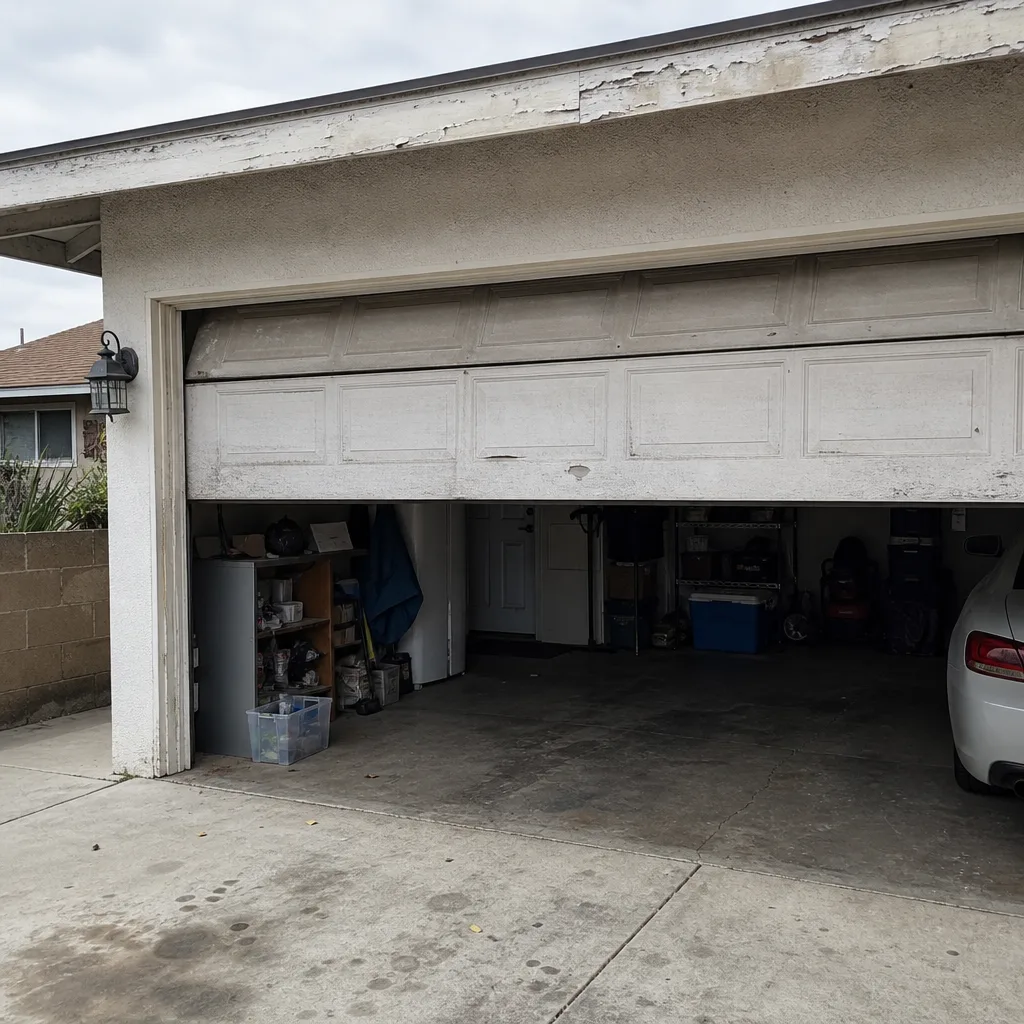 Before
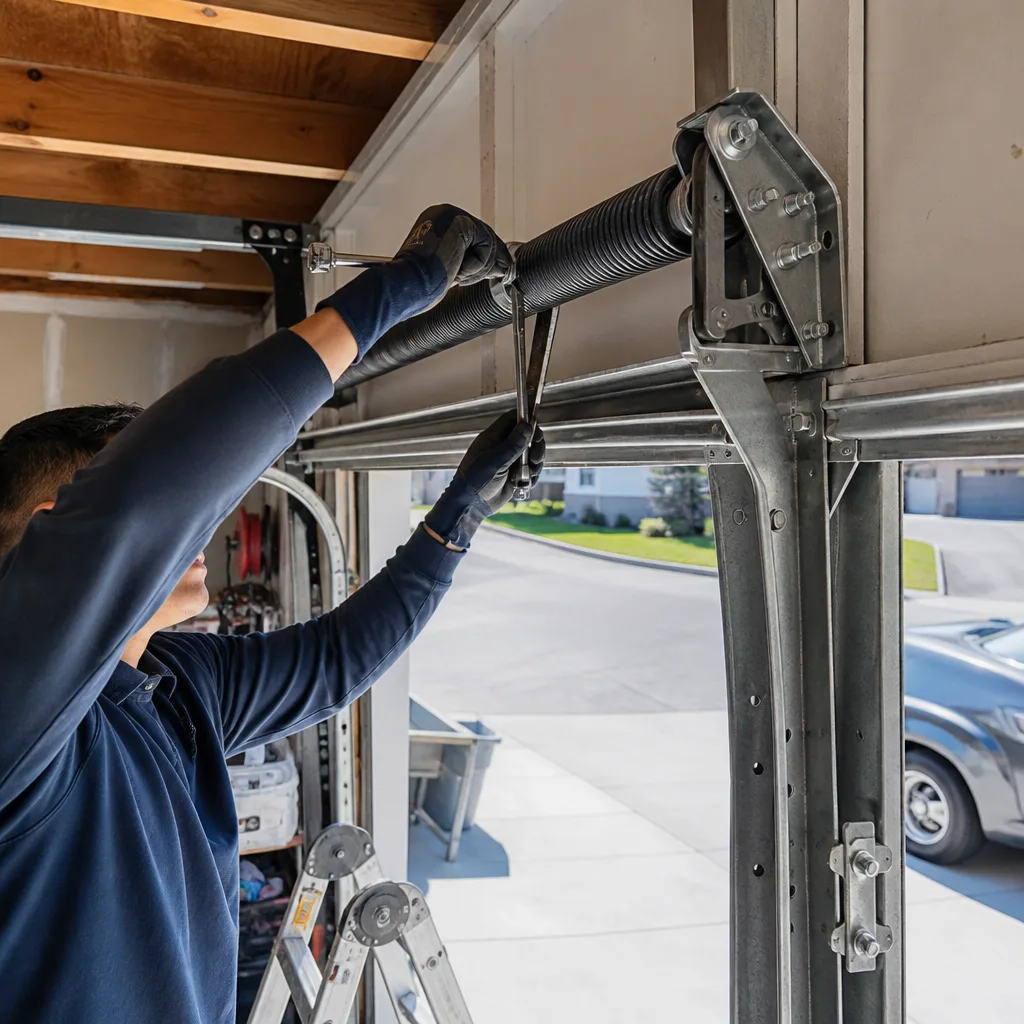 After
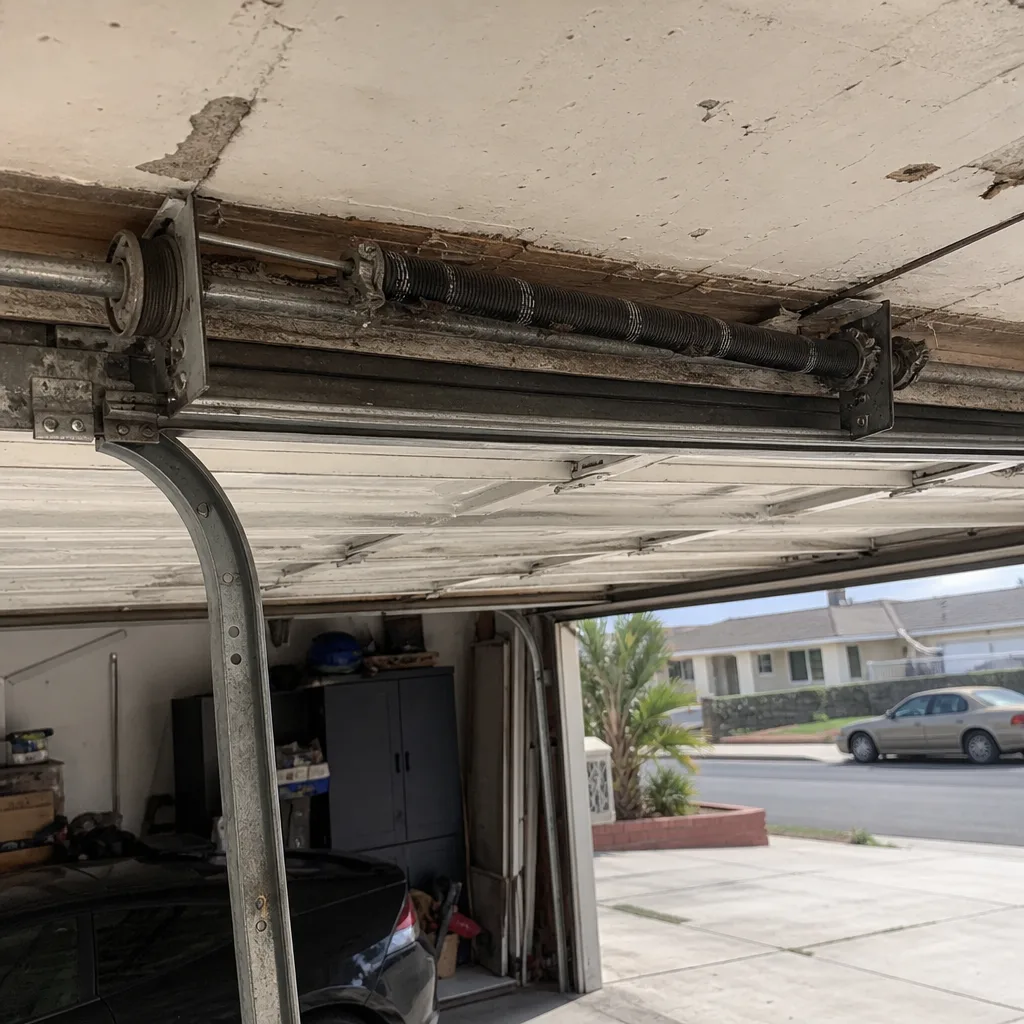 Before
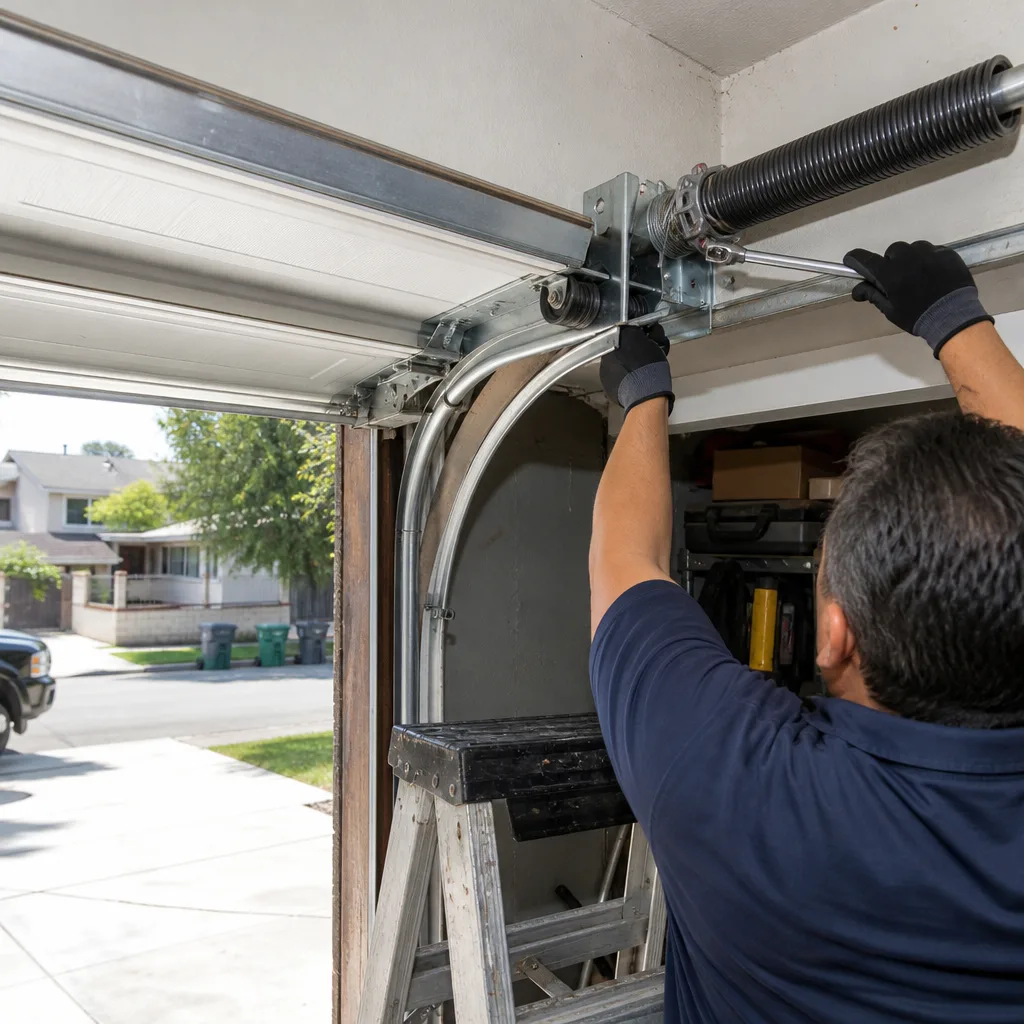 After